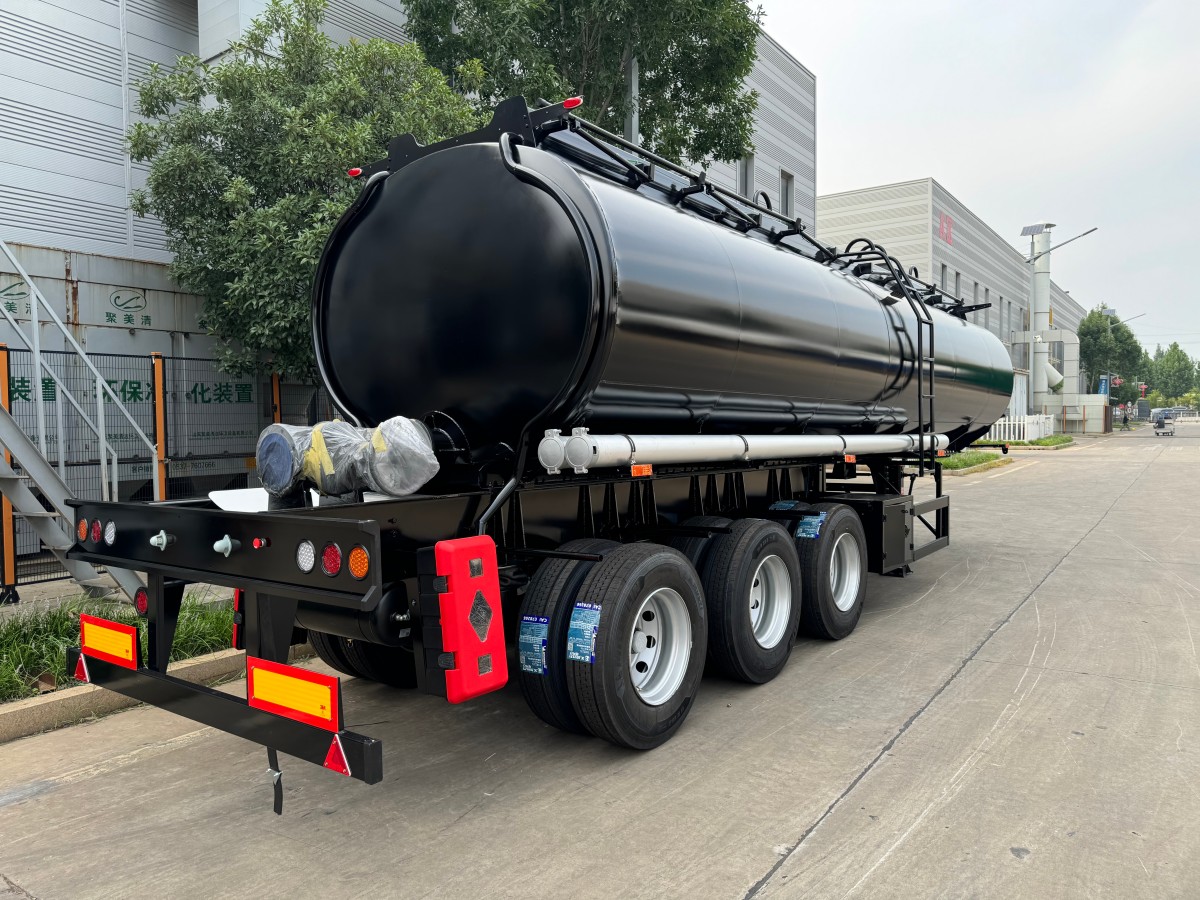
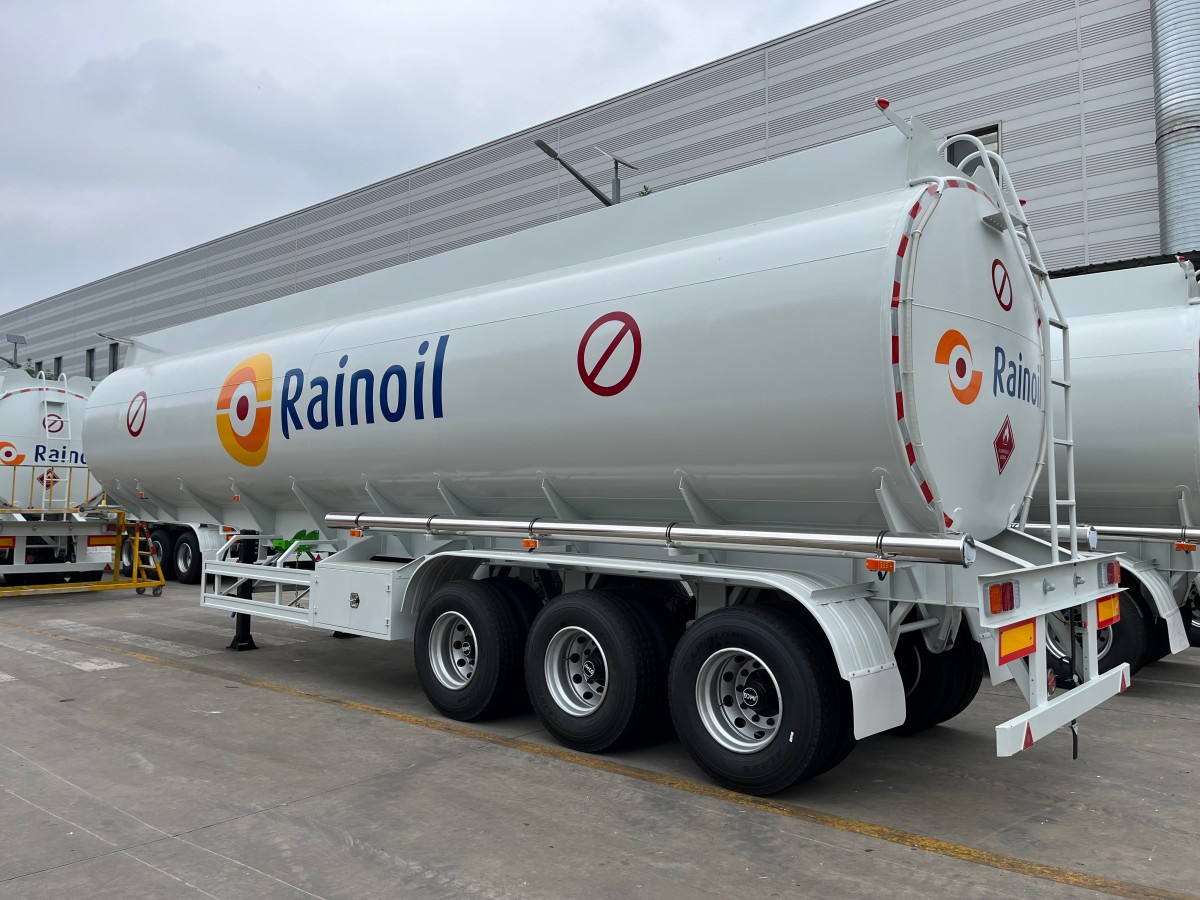
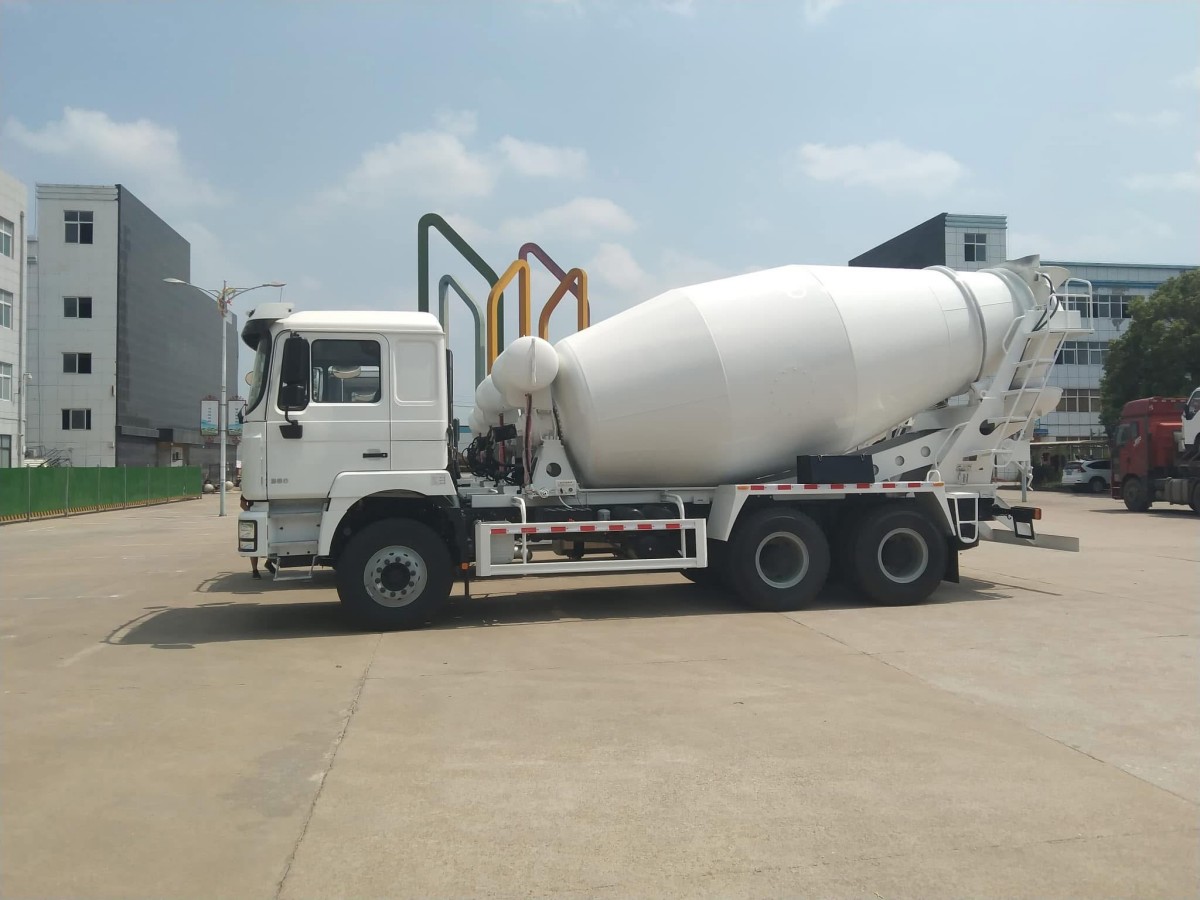
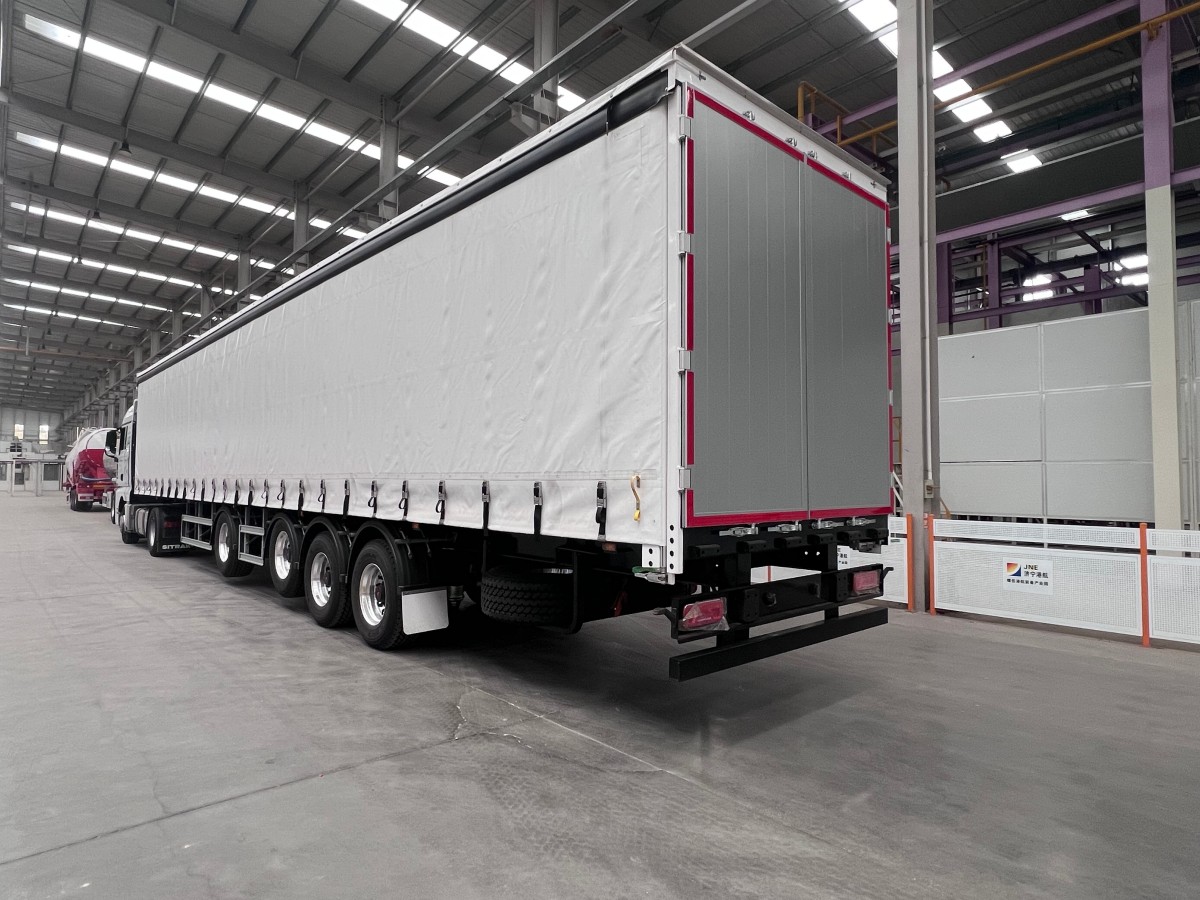
The steel grade chosen for semi trailer manufacturing determines structural integrity, weight capacity, service life, and cost. **In our operations producing over 5,000 semi trailers annually**, the steel specification is one of the most critical design decisions. This guide explains why Q345B has become the global industry standard for semi trailer main beams and structural components.
1. Q345B Steel Overview
Q345B is a Chinese high-strength low-alloy structural steel standardized under GB/T 1591. It corresponds to several international equivalents:
International Equivalents
- European EN 10025: S355JR / S355J0 / S355J2 (similar mechanical properties)
- American ASTM: A572 Grade 50 / A656 Grade 50
- Japanese JIS: SM490A / SM490B / SM490C
- German DIN: St52-3 (older standard, now E355)
Chemical Composition (GB/T 1591 Q345B)
- Carbon (C): 0.20% max
- Manganese (Mn): 1.20-1.60%
- Silicon (Si): 0.55% max
- Phosphorus (P): 0.040% max
- Sulfur (S): 0.040% max
- Niobium (Nb): 0.015-0.060% (microalloying)
- Vanadium (V): 0.02-0.20% (optional)
2. Mechanical Properties
Q345B provides the optimal balance for semi trailer structural applications.
Yield Strength Comparison
| Steel Grade |
Yield Strength (MPa) |
Tensile Strength (MPa) |
Elongation (%) |
| Q235 (mild steel) |
235 |
370-500 |
26 |
| Q345B (standard for semi trailers) |
345 |
470-630 |
22 |
| Q390B |
390 |
490-650 |
20 |
| Q420B |
420 |
520-680 |
19 |
| Q460C |
460 |
550-720 |
17 |
3. Why Q345B for Semi Trailers
In our 5,000+ unit annual production, we use Q345B for the following reasons:
Optimal Strength-to-Weight Ratio
Q345B at 345 MPa yield strength allows using thinner plate sections than Q235 while maintaining the same or greater structural capacity. This reduces tare weight, which directly increases payload capacity.
Manufacturing Compatibility
- Excellent weldability with standard MIG/MAG processes
- Compatible with common cutting methods (plasma, laser, oxy-fuel)
- No pre-heating required for most thicknesses (under 30mm)
Cost Effectiveness
Q345B costs 15-20% more than Q235 but provides 47% higher yield strength. The cost-to-strength ratio makes it the most economical choice for semi trailer main beams.
4. Steel Sourcing in China
Our 5,000+ unit annual production sources steel from major Chinese mills.
Top Steel Mills Supplying Semi Trailer Industry
- Baosteel (Baowu): Largest Chinese steel producer, premium quality
- Shougang Group: Strong presence in structural steel
- Anshan Iron and Steel (Ansteel): Long history, reliable supply
- Hebei Iron and Steel: Cost-effective for standard applications
- Jiangsu Shagang: Major private producer, competitive pricing
5. Main Beam Specifications
For our 30,000+ unit production, main beam dimensions follow industry standards:
Standard Semi Trailer Main Beam
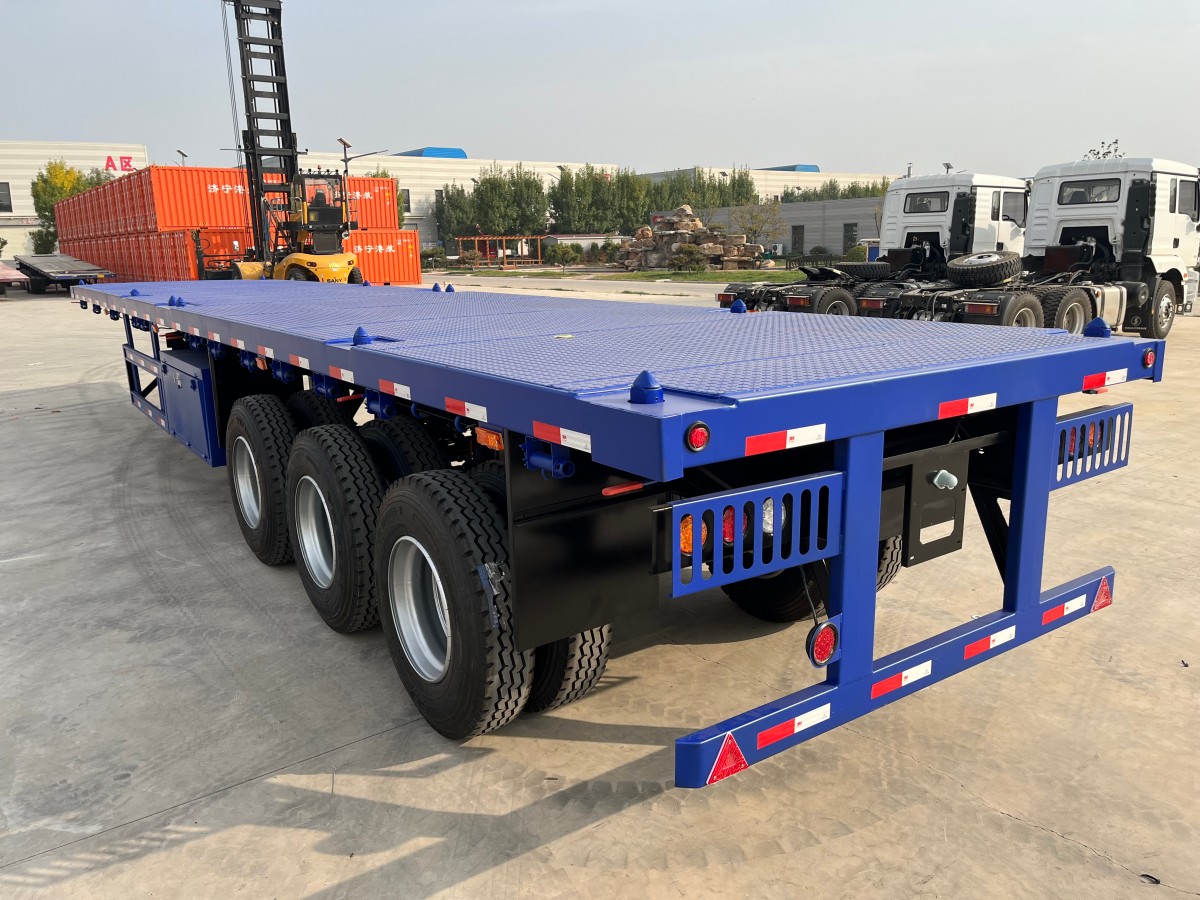
- Web (vertical) height: 500mm for 3-axle trailers
- Top flange thickness: 14mm
- Bottom flange thickness: 16mm
- Web thickness: 6-8mm
- Material: Q345B hot-rolled plate
Heavy-Duty Specifications
- Web height: 550mm for heavy haul applications
- Flange thickness: 16mm top, 20mm bottom
- Web thickness: 8-10mm
6. Steel Component Standards by Trailer Part
Across 5,000+ units annually, we use different steel grades for different trailer parts based on stress requirements.
Main Beam and Cross Members
- Steel: Q345B
- Thickness: 4-16mm depending on load requirements
Side Panels and Cross Members
- Steel: Q235 or Q345B
- Thickness: 2-4mm for flatbeds, 3-5mm for tankers
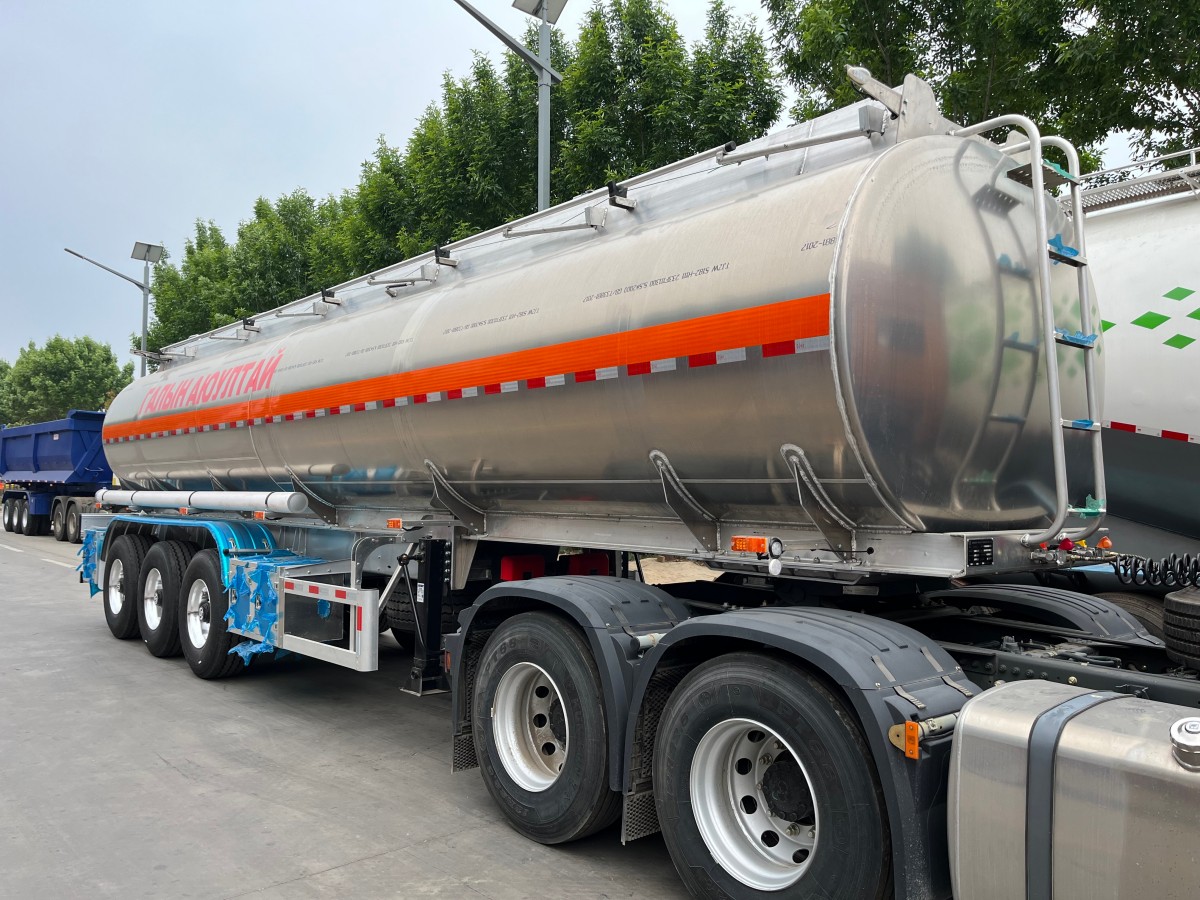
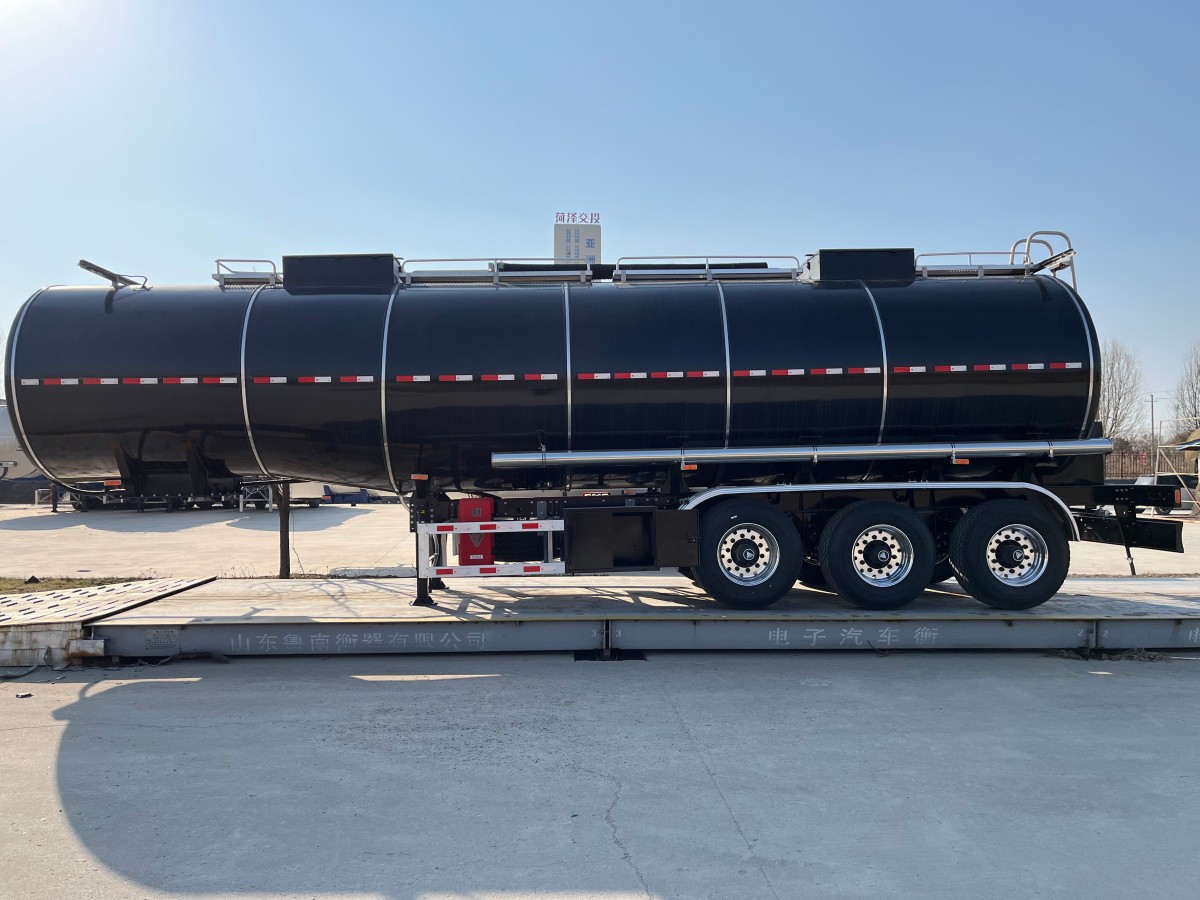
Tank Shells (for Tanker Trailers)
- Steel: Q345B or carbon steel plate
- Thickness: 4-6mm for carbon steel tanks
- Thickness: 5-6mm for aluminum tanks (different material)
Chassis Frame for Special Trailers
- Steel: Q345B or higher
- Thickness: 6-8mm standard, 10-12mm for heavy applications
7. Welding Considerations for Q345B
Welding quality is critical for Q345B semi trailer durability. Our 30,000+ unit production has refined welding practices.
Welding Process
- Primary: MIG/MAG (GMAW) for most applications
- Thick sections: SAW (Submerged Arc Welding) for main beam flange welds
- Thin sheets: Resistance spot welding for some joints
Pre-Heating Requirements
- Thickness under 16mm: No pre-heating needed for Q345B
- Thickness 16-25mm: Pre-heat to 50-75°C recommended
- Thickness 25-40mm: Pre-heat to 100-150°C required
Welding Wire Selection
- ER70S-6 for standard Q345B welding
- ER80S-G for higher strength requirements
- Match wire diameter to material thickness
8. Corrosion Protection
Steel protection is as important as steel selection. Operations with 30,000+ units use these practices.
Surface Preparation
- Shot blast to SA 2.5 standard
- Remove all mill scale, rust, and contaminants
- Achieve 50-75 micron profile for coating adhesion
Coating Systems
- Primer: Zinc-rich epoxy, 60-80 microns DFT
- Top coat: Polyurethane, 40-60 microns DFT
- Total system: 100-140 microns DFT, 5-10 year corrosion protection
9. Regional Standards Compliance
Our Q345B trailers meet the steel requirements of all major markets we export to.
European Union (EN 10025)
- Q345B corresponds to S355JR with CE marking
- Mill test certificates available for all shipments
United States (ASTM)
- Q345B equivalent to A572 Grade 50 (yield strength 50 ksi / 345 MPa)
- Accepted by US DOT for semi trailer registration
Middle East and Africa
- Generally accept GB/T 1591 standard with mill certificates
- Customs clearance smooth with proper documentation
10. Cost Comparison
Material cost comparison based on 5,000+ unit annual production:
Steel Cost per Metric Ton (2026 Reference)
- Q235: $550-650/MT
- Q345B: $650-750/MT
- Q390B: $700-800/MT
- Q460C: $850-950/MT
Cost per Trailer Impact
For a standard 3-axle flatbed trailer, main beam material accounts for approximately 12-15% of total material cost. Choosing Q345B over Q235 increases material cost by approximately 3-5% but provides significantly better structural integrity and durability.
11. Common Misconceptions About Chinese Steel
Some international buyers have concerns about Chinese steel quality. From our 30,000+ unit export experience:
Misconception 1: Lower Quality Standards
Fact: Chinese steel mills produce to GB/T standards equivalent to international specifications. The same steel that is used in Chinese semi trailers is also exported globally. Major infrastructure projects worldwide use Chinese steel.
Misconception 2: Inconsistent Quality
Fact: Major Chinese steel mills (Baosteel, Shougang, Ansteel) have quality control systems that meet international automotive and structural standards. The Q345B we receive has consistent mill certificates across production batches.
Misconception 3: Unknown Material Source
Fact: All Q345B shipments include mill test certificates (MTC) identifying the producing mill, heat number, chemical composition, and mechanical properties. This provides full traceability.
12. Conclusion
Q345B steel provides the optimal combination of strength, weight, cost, and manufacturability for semi trailer applications. Operations producing 5,000+ units annually have validated this choice through years of reliable service across diverse operating conditions and 40+ countries.
When sourcing semi trailers from our company, the Q345B specification is standard for main beam and structural components. Each trailer ships with mill test certificates for full traceability. Contact us for detailed material specifications and samples.