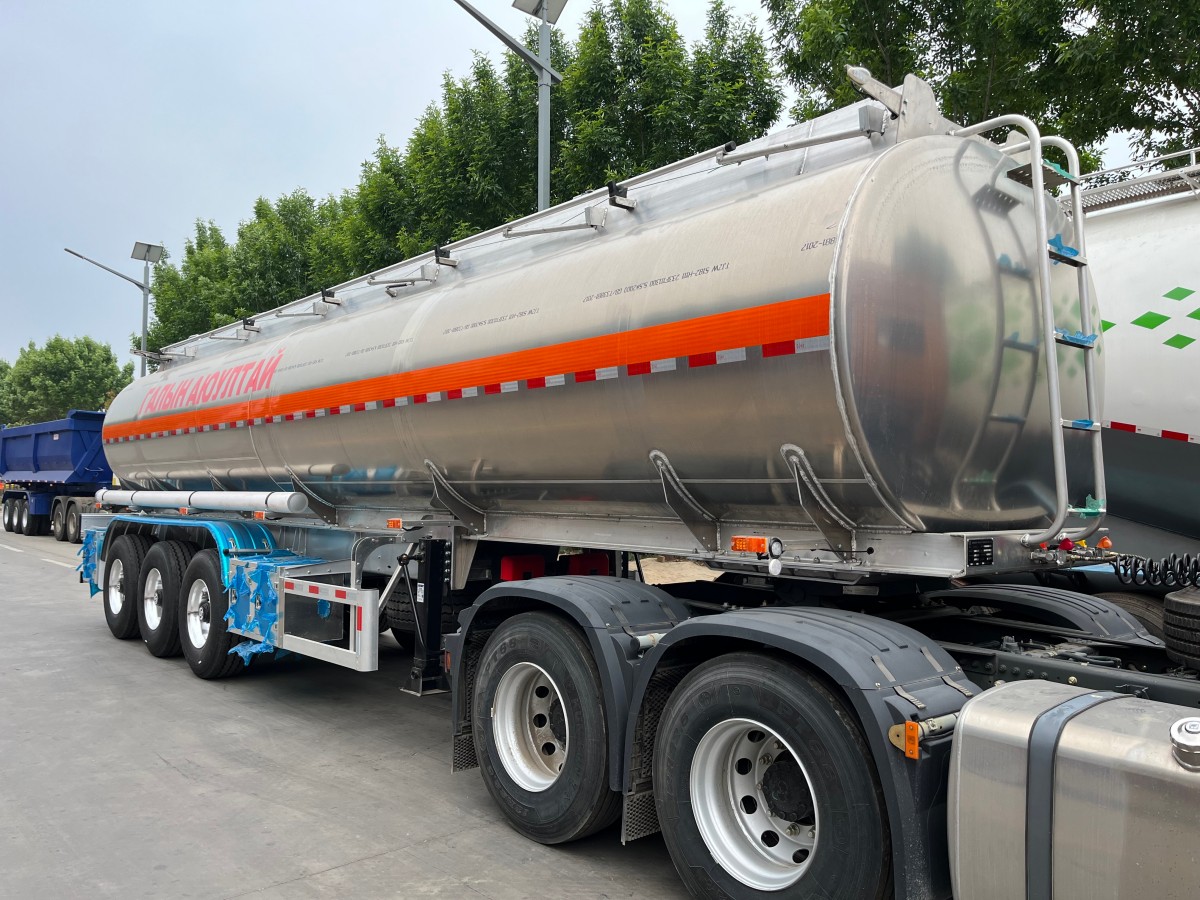
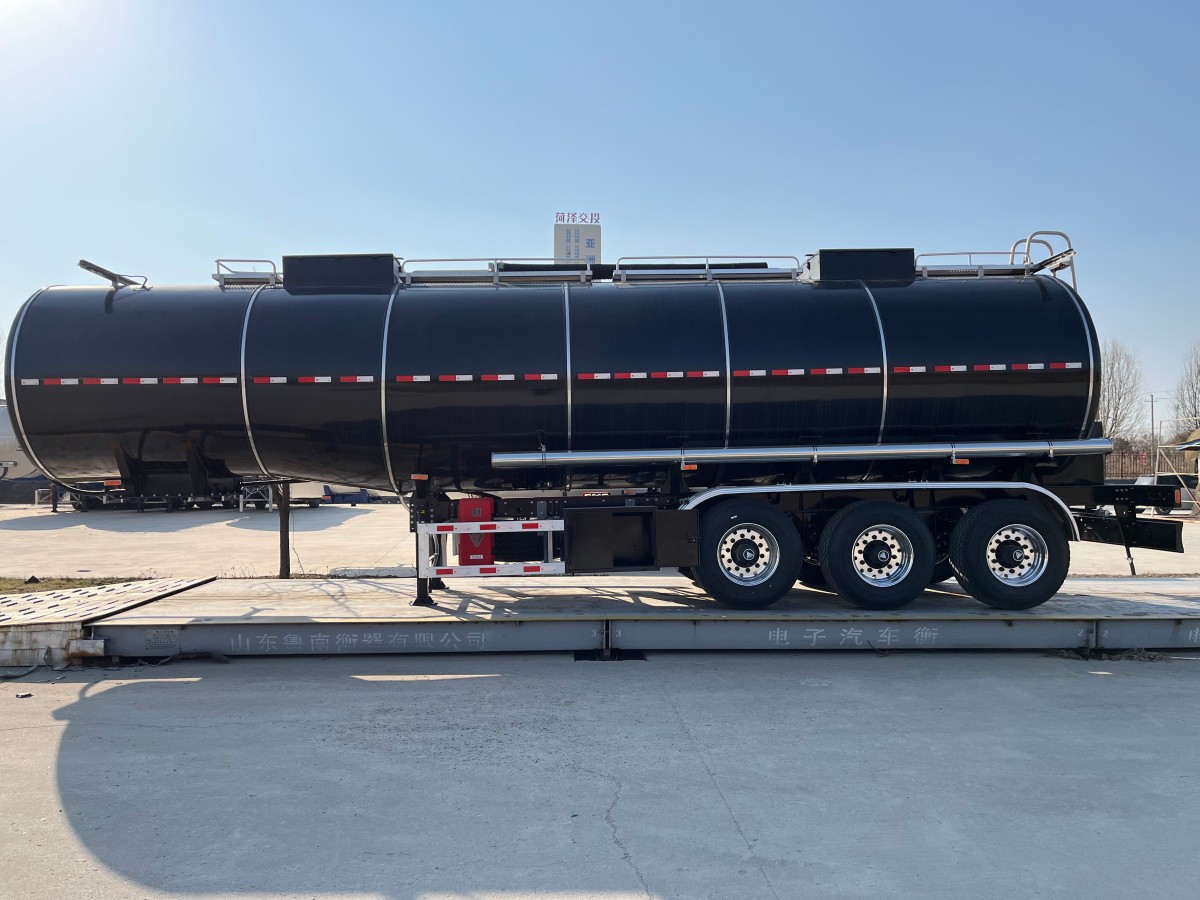
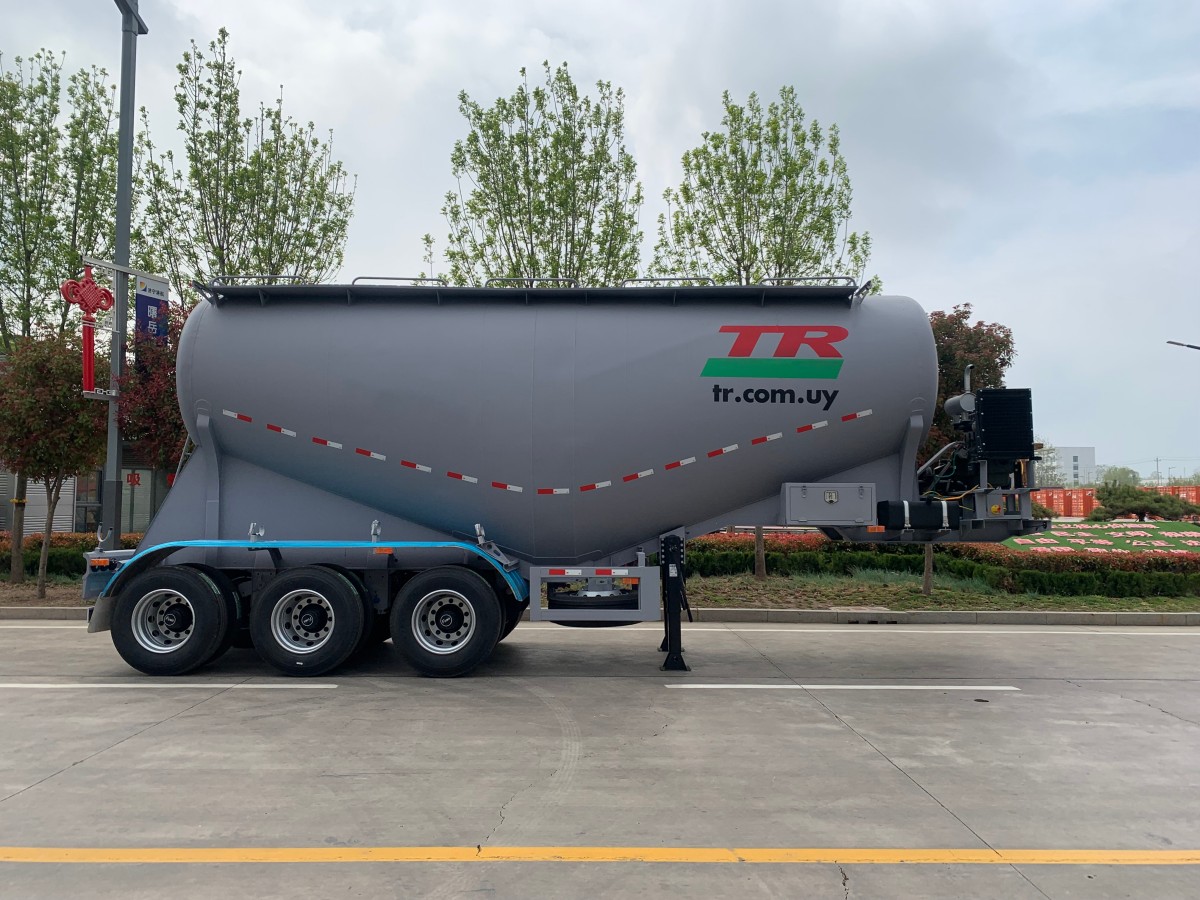
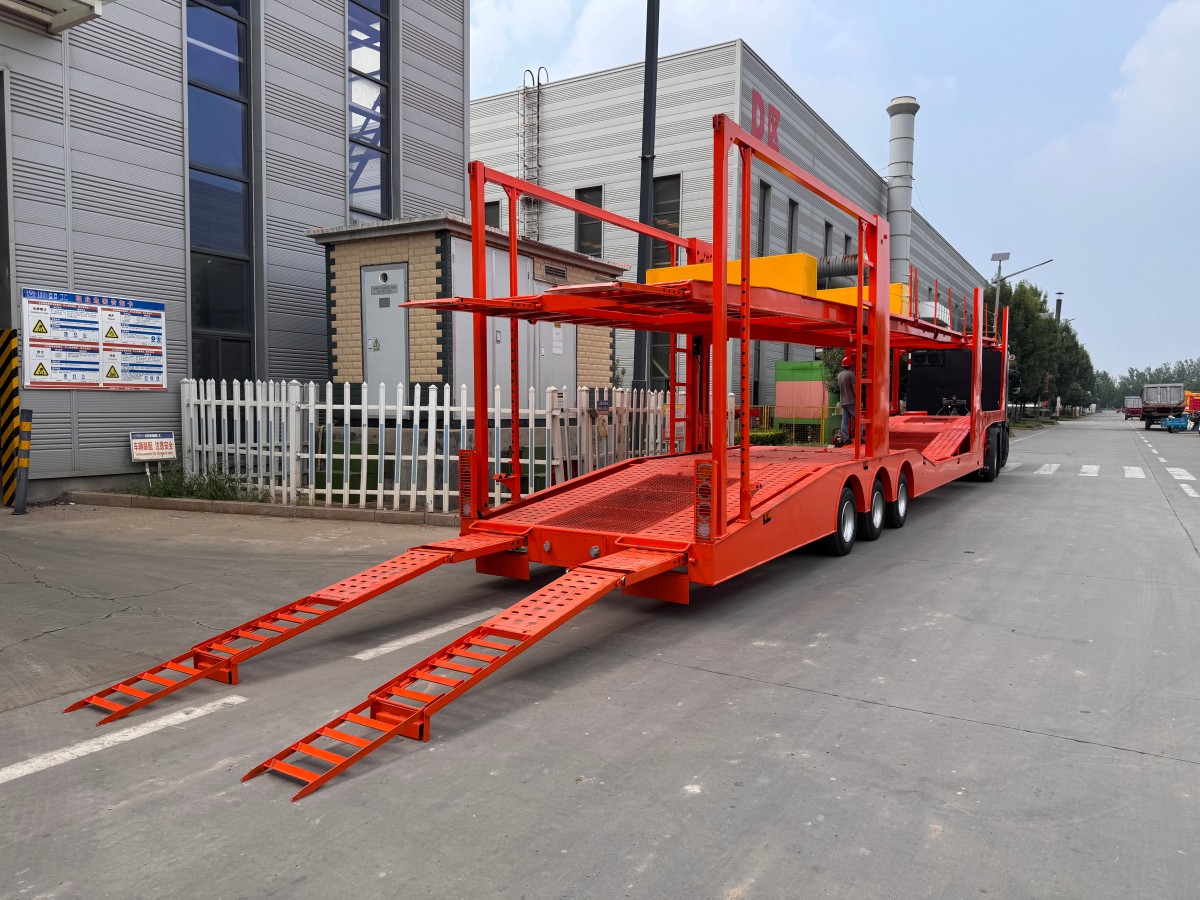
Exporting semi trailers internationally requires precise documentation. Missing or incorrect papers can delay customs clearance by days or weeks, result in cargo seizure, or trigger expensive re-export costs. **Drawing on operations shipping over 30,000 units to more than 40 countries**, we have developed a standardized documentation package that minimizes clearance delays and ensures regulatory compliance across diverse markets.
1. Commercial Invoice
The commercial invoice is the primary customs document. It must include specific information required by customs authorities in the destination country.
Required Information
- Seller information (full company name, address, tax ID, contact)
- Buyer information (importer name, address, tax ID, contact)
- Product description matching customs tariff codes
- Quantity, unit price, total value
- HS code (typically 8716.39 for semi-trailers)
- Country of origin, terms of sale, payment terms
2. Packing List
The packing list provides customs with itemized cargo information separate from the commercial value.
Required Information
- Same parties as commercial invoice
- Detailed itemization of each package
- Net and gross weight per item, dimensions
- Package numbers, container or seal number
3. Bill of Lading (B/L) or Sea Waybill
For ocean shipments, the bill of lading is the transport document and receipt of goods by the carrier.
Original B/L vs Sea Waybill
- Original B/L: Required for documentary credits, takes longer to release
- Sea Waybill: Faster release, suitable for open account transactions
4. Certificate of Origin (C/O)
China-issued certificate of origin is required by most countries for customs clearance and tariff calculation.
Types of Certificate of Origin
- CCPIT (China Council for Promotion of International Trade): Standard for most countries
- China Customs: For countries with specific trade agreements
- Form A or E: For preferential tariff countries (ASEAN, etc.)
5. Packing Certificate or Inspection Certificate
Some countries require a third-party inspection certificate confirming the cargo condition before shipment.
Common Certificates
- SGS Certificate: Most widely accepted for international shipments
- Bureau Veritas Certificate: Common for European and African destinations
6. Insurance Certificate
For CIF or CIP shipments, an insurance certificate is required showing coverage details.
Required Information
- Policy number, coverage type (typically All Risks or ICC A)
- Coverage amount (typically 110% of CIF value)
- Insured party, coverage period (warehouse to warehouse)
7. Mill Test Certificate (for steel components)
For semi trailers with significant steel content, some countries require mill test certificates for major components like the main beam.
Other Supporting Documents
Certificate of Conformity (CE marking)
For exports to European Union, the trailer must have CE marking with a Declaration of Conformity.
Weight Certificate
Some destinations require a certified weight certificate for registration purposes.
Common Documentation Mistakes
From processing 30,000+ unit exports, the most common errors are mismatched HS codes, inconsistent information, and missing original signatures.
Regional Documentation Differences
Africa
Most accept standard CCPIT. Some require pre-shipment inspection certificates (SON, KEBS).
Middle East
Standard CCPIT accepted. Some GCC countries require GCC conformity certificates.
Southeast Asia
ASEAN countries accept Form E for preferential tariffs.
South America
Most accept standard documentation. Brazil requires Portuguese translations.
Document Management Best Practices
Standardized Templates
- Use consistent template files for all exports
- Include all required fields in correct order
Document Verification
- Verify all information before sending
- Use document management software
- Keep digital copies for 7+ years
Working with Customs Brokers
Most importers use local customs brokers at destination port. Good communication ensures smooth clearance.
Information to Provide Your Broker
- Complete set of shipping documents in advance
- HS code and product description
- Special handling requirements
Conclusion
Proper export documentation is essential for smooth international semi trailer shipments. Operations with 5,000+ unit annual exports have refined their documentation packages for fast customs clearance across diverse regulatory environments.
For semi trailer exports with 5,000+ unit annual production capacity and 40+ country experience, we provide complete documentation packages for every shipment.
Related Resources