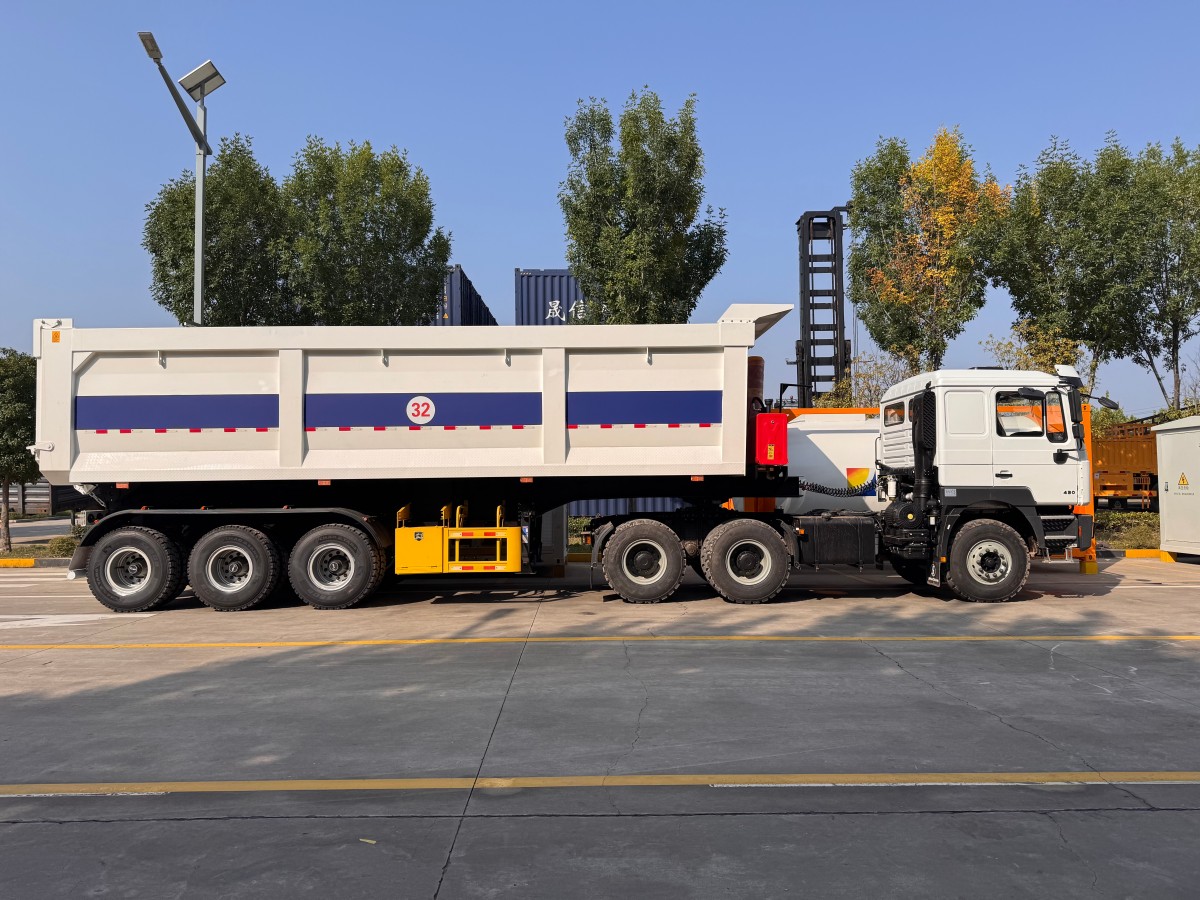
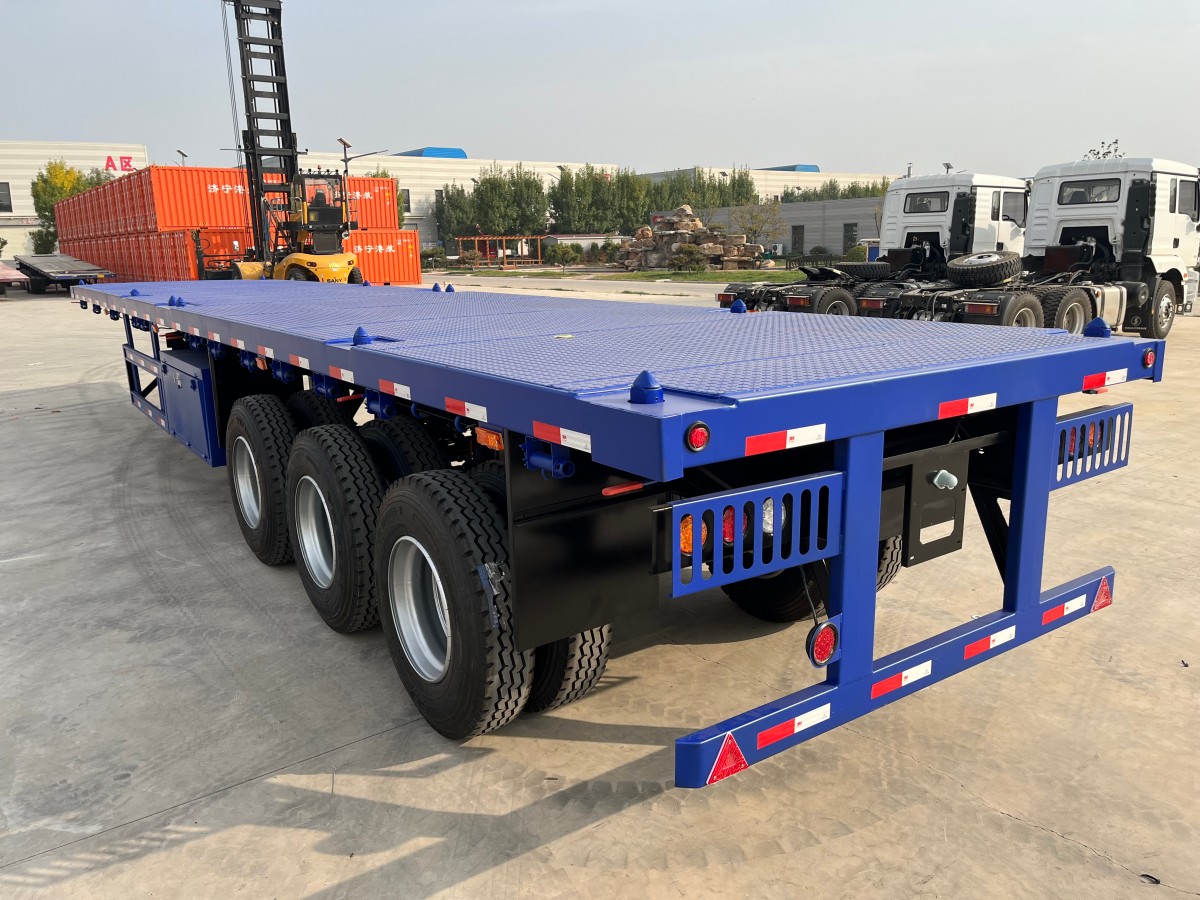
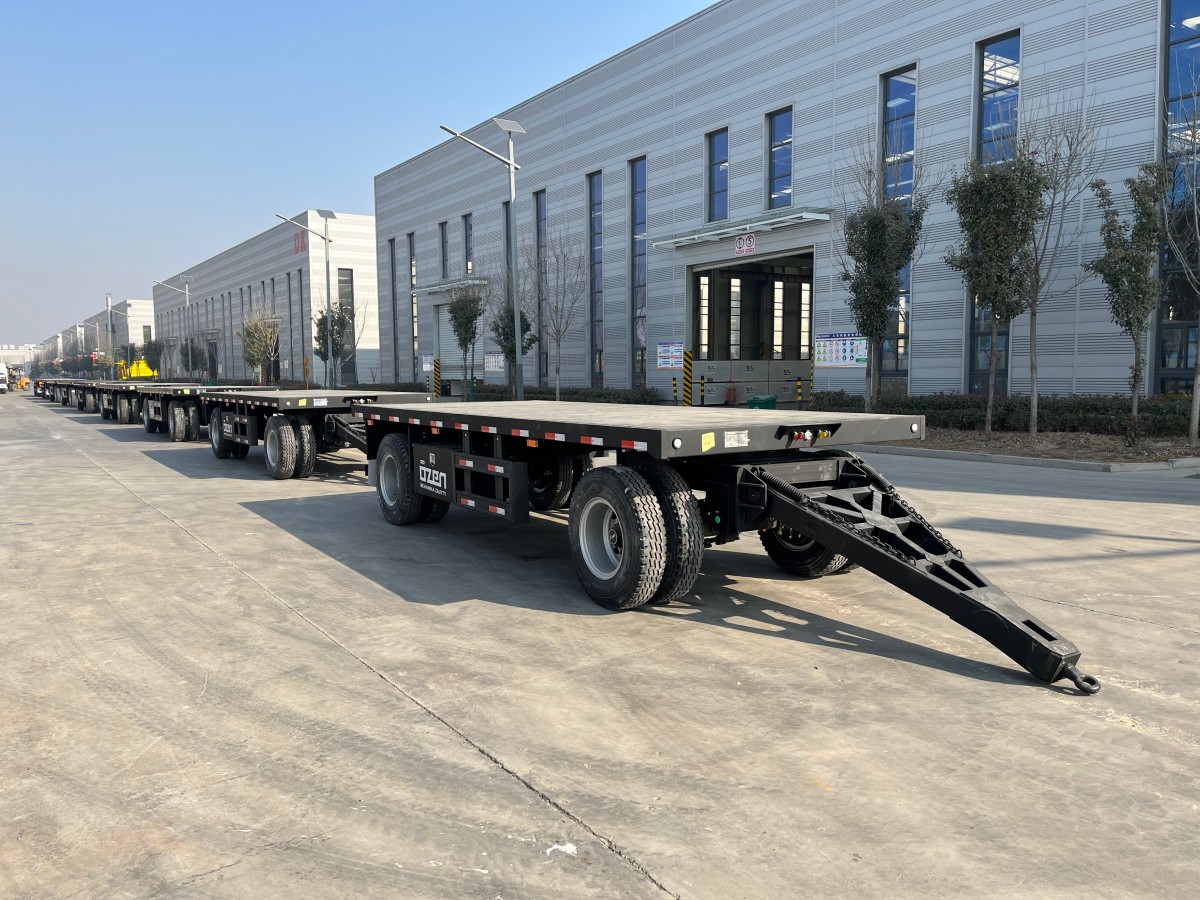
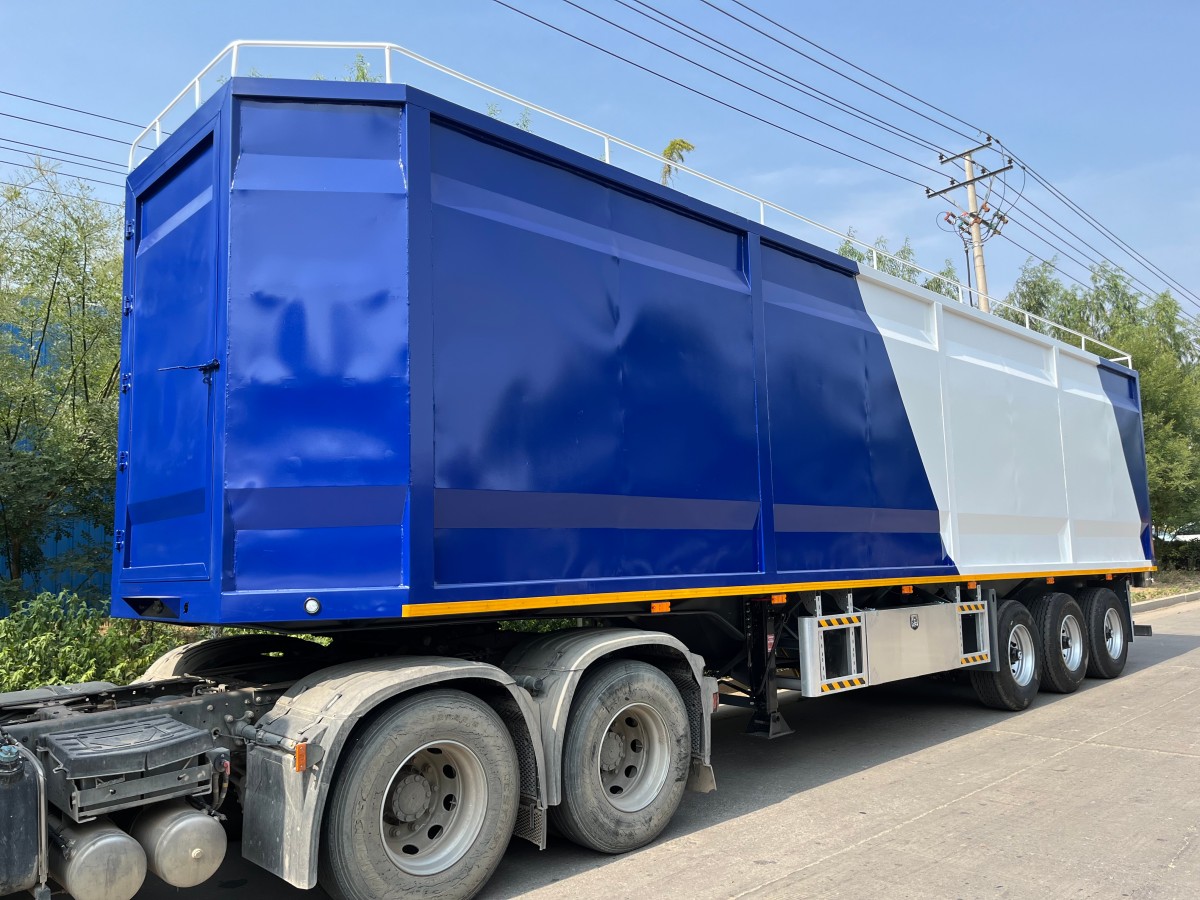
Choosing the correct tire size for a semi trailer is one of the most impactful decisions in fleet specification. Wrong tire size leads to load violations, premature wear, and operational issues. **Operating a fleet of 5,000+ units annually across 40+ countries**, we have seen the full range of tire selection decisions and their consequences.
1. Common Semi Trailer Tire Sizes
The three most common semi trailer tire sizes globally are:
11R22.5 (295/80R22.5)
- Load range: G (single 6,000 lbs / 2,725 kg per tire)
- Speed rating: L (75 mph / 120 km/h) typical
- Usage: Most common for standard freight applications
- Pros: Good load capacity and wear life; widely available
- Cons: Heavier than alternatives, lower fuel efficiency
295/75R22.5 (low profile)
- Load range: G (similar to 11R22.5)
- Speed rating: L typical
- Usage: Modern fleets favoring fuel efficiency
- Pros: Lower rolling resistance, better fuel economy, lighter weight
- Cons: More expensive than 11R22.5, less common in some regions
385/65R22.5 (super single)
- Load range: J (single 12,500 lbs / 5,670 kg per tire)
- Speed rating: L
- Usage: Higher weight capacity per axle position
- Pros: Higher load capacity, fewer tire positions to maintain
- Cons: More expensive, fewer retread options, stricter load management
2. Load Rating Considerations
Selecting the correct load rating is critical for safety and regulatory compliance. Operations handling 30,000+ units have learned from overcapacity failures and undercapacity premature wear.
Calculating Required Load per Tire
Use this formula to determine minimum load rating per tire:
Required load per tire = (Gross trailer weight + Cargo weight) / Number of tire positions
Example calculation:
- 3-axle trailer with 6 tire positions
- Tare weight: 7,500 kg
- Cargo capacity: 30,000 kg
- Gross weight: 37,500 kg
- Per tire: 37,500 / 6 = 6,250 kg per tire
- Required: Load range G (6,000 lbs / 2,725 kg) is INSUFFICIENT
- Better choice: Load range J super single or higher load range
3. Regional Tire Regulations
Tire regulations vary by region, and our 5,000+ unit annual export fleet must meet all of them.
United States (DOT)
- FMVSS 119 and 120 govern tire selection
- Load range F, G, or H acceptable for most semi trailer applications
- Steer tires must meet load range requirements per axle
European Union (ECE R54)
- Load index and speed symbol must be marked on tire
- Tire age (DOT date code) should be less than 1 year at delivery
- Spare tire recommended but not always required
Middle East and Africa
- Generally follow UNECE regulations or US DOT
- Heat resistance is critical for desert operations
- Specific load ratings may be required for highway use
4. Tire Type by Trailer Application
Different trailer applications demand different tire characteristics.
Long-Haul Highway (over 100,000 km/year)
- Best choice: 295/75R22.5 or low rolling resistance tires
- Key features: Fuel efficiency, long wear life
- Expected life: 200,000+ km with proper rotation
Regional Delivery (50,000-100,000 km/year)
- Best choice: 11R22.5 or 295/75R22.5
- Key features: Balance of cost and performance
- Expected life: 150,000-200,000 km
Off-Road and Mixed Use
- Best choice: 11R22.5 with reinforced sidewalls
- Key features: Cut and chip resistance
- Expected life: 100,000-150,000 km
5. Tire Brand Considerations
Operations managing 30,000+ unit fleets typically use these tire brands:
Premium Tier (Best Performance and Longest Life)
- Michelin, Continental, Bridgestone, Goodyear
- Typical life: 200,000-300,000 km
- Premium price: 20-30% higher
- Best for long-haul operations
Mid-Tier (Good Balance)
- Hankook, Kumho, Yokohama, Toyo
- Typical life: 150,000-200,000 km
- Moderate price premium
- Good for most operations
Budget Tier (Reliable at Lower Cost)
- Triangle, Linglong, Doublestar, Westlake
- Typical life: 100,000-150,000 km
- Lowest price
- Common in cost-sensitive markets
6. Single vs Super Single Tires
Operations with 30,000+ units increasingly choose super single tires, but the decision depends on specific use cases.
Standard Configuration (Single Tires)
- 4 tires per axle (2 per side)
- Lower initial cost
- More tire positions to maintain
- Better redundancy if one tire fails
Super Single Configuration
- 2 tires per axle (1 per side)
- Higher load capacity per position
- Lower fuel consumption (less rolling resistance)
- Fewer maintenance points
7. Retreading Considerations
Operations with 30,000+ units typically retread tires once or twice before disposal, significantly reducing per-kilometer tire cost.
Retread Viability
- Casing condition is the deciding factor
- Casings with structural damage or multiple retreads should not be retreaded again
- Quality retreads perform 80-90% of new tire life
- Cost savings: 40-60% versus new tire
Retread Types
- Pre-cure (cold): Most common for semi trailer applications
- Mold cure (hot): Less common but available
- Casings: Premium casings (Michelin, Bridgestone) typically retread 2-3 times
8. Tire Pressure Management
Correct tire pressure is essential for safety, wear life, and fuel economy. Operations handling 30,000+ units have refined pressure management practices.
Optimal Pressure Strategy
- Single tire configuration: 100-110 psi (cold)
- Super single configuration: 110-120 psi (cold)
- Steer axle vs drive axle: Same pressure recommended for semi trailer (vs tractor where steer is higher)
Pressure Monitoring
- Daily pre-trip: Visual inspection, no gauge needed unless low
- Weekly: Check 2-3 tires per unit with calibrated gauge
- Monthly: Check all tires on fleet
9. Tire Cost Optimization
For a 30,000+ unit fleet, tire cost is significant. Optimization strategies include:
Retreading Programs
- Standard retread cycle: 1-2 retreads per casing
- Cost per kilometer reduction: 30-40%
- Environmental benefit: 70% less material than new tire
Rotation Patterns
- X-pattern rotation: Move front to opposite rear and vice versa
- Wear-based rotation: Move good tires to steer position when worn tires move to trailer positions
- Frequency: Every 25,000-50,000 km depending on wear pattern
10. Conclusion
Choosing the correct semi trailer tire size is essential for safety, efficiency, and cost control. Operations with 5,000+ unit annual fleets have refined their tire specifications and maintenance practices to optimize total cost of ownership.
For semi trailer specifications, our company supplies complete units with appropriate tire options for your market and operating conditions. With over 5,000 units annual production and 40+ country export experience, we can recommend the right tire configuration for your specific application.