Sanitation Trailer Buyer’s Guide: Septic, Sewer, and Waste Collection Vehicles
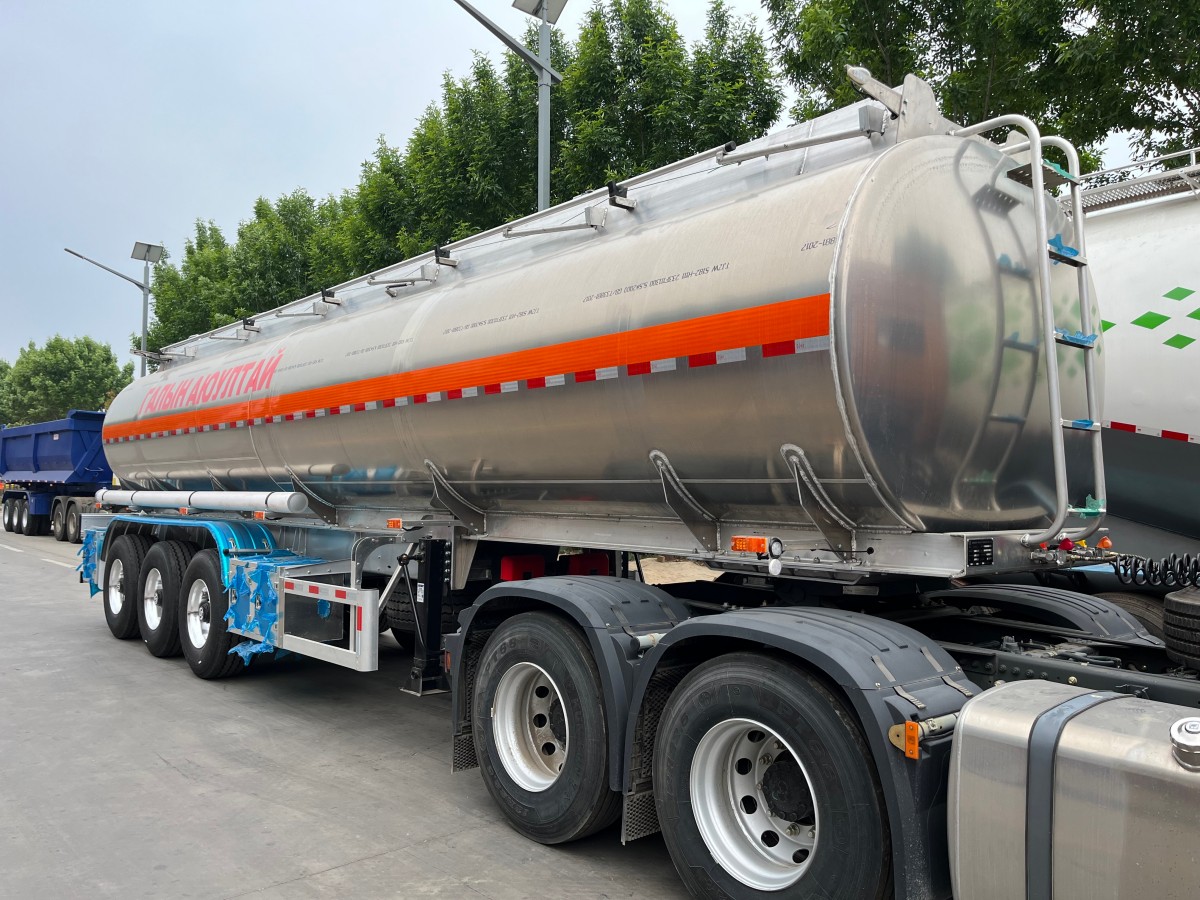
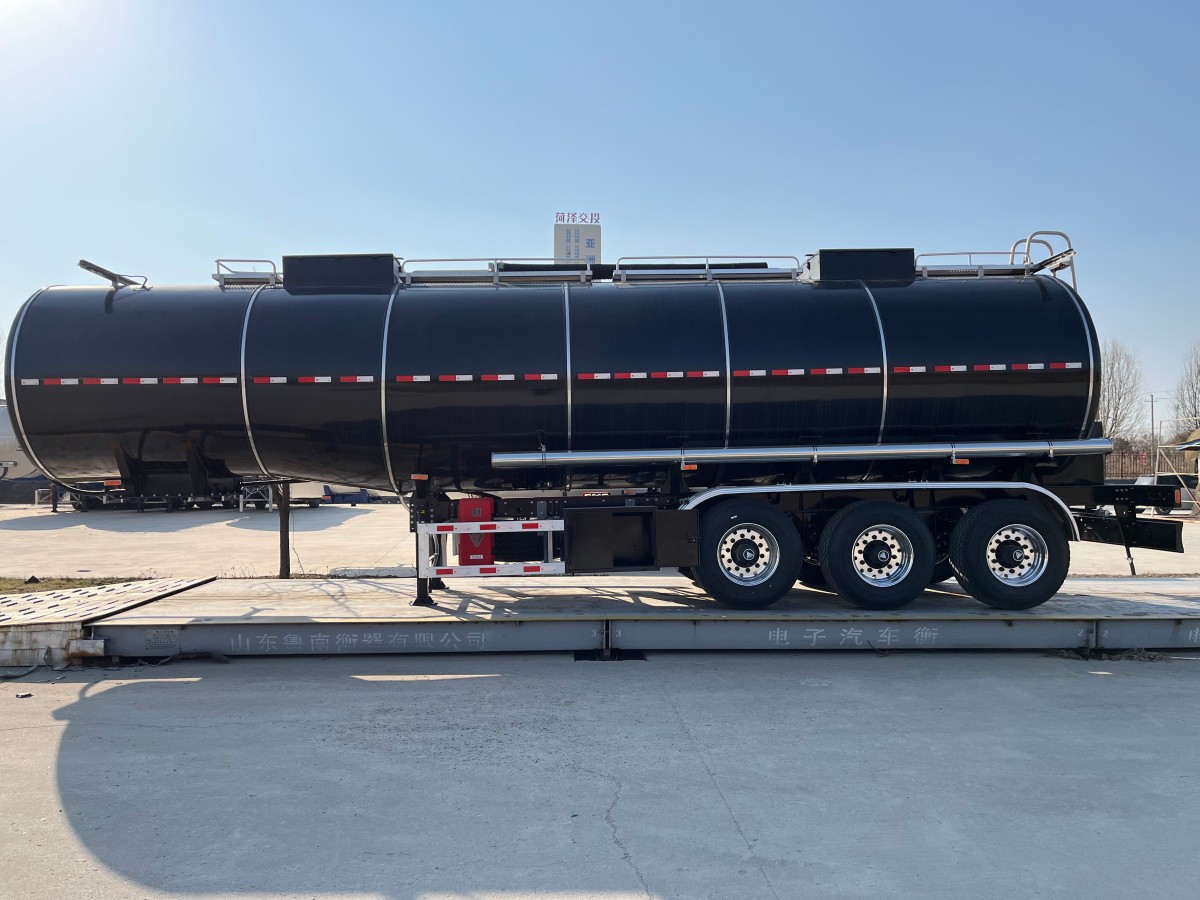
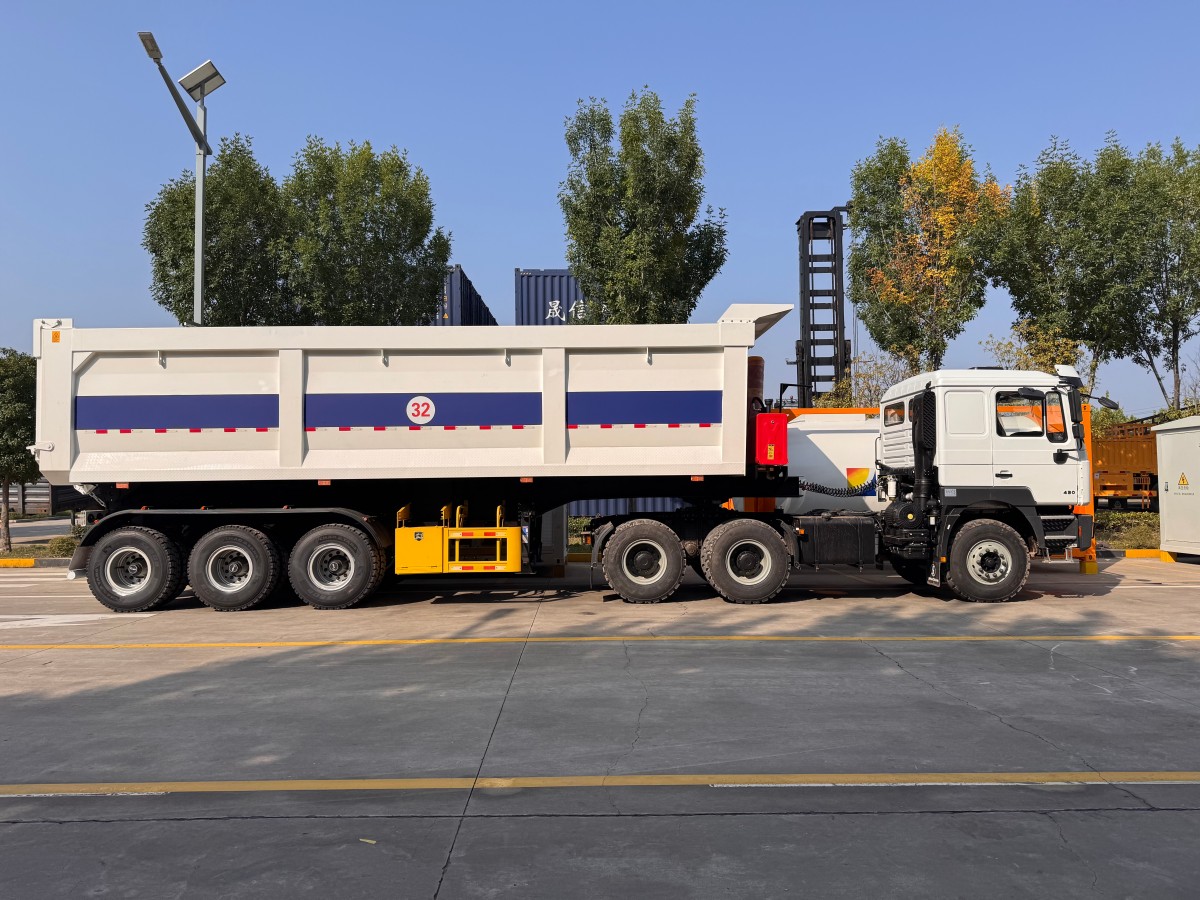
Sanitation trailers (also called vacuum tankers, septic tankers, or sewage suction trailers) handle liquid waste, sludge, and industrial effluent in municipal, mining, and remote-site operations. As a manufacturer exporting 5,000+ semi-trailer units annually to 40+ countries, we summarise the core specs, ROI math, and import checklist for municipal and private fleet buyers.
1. What is a Sanitation Trailer
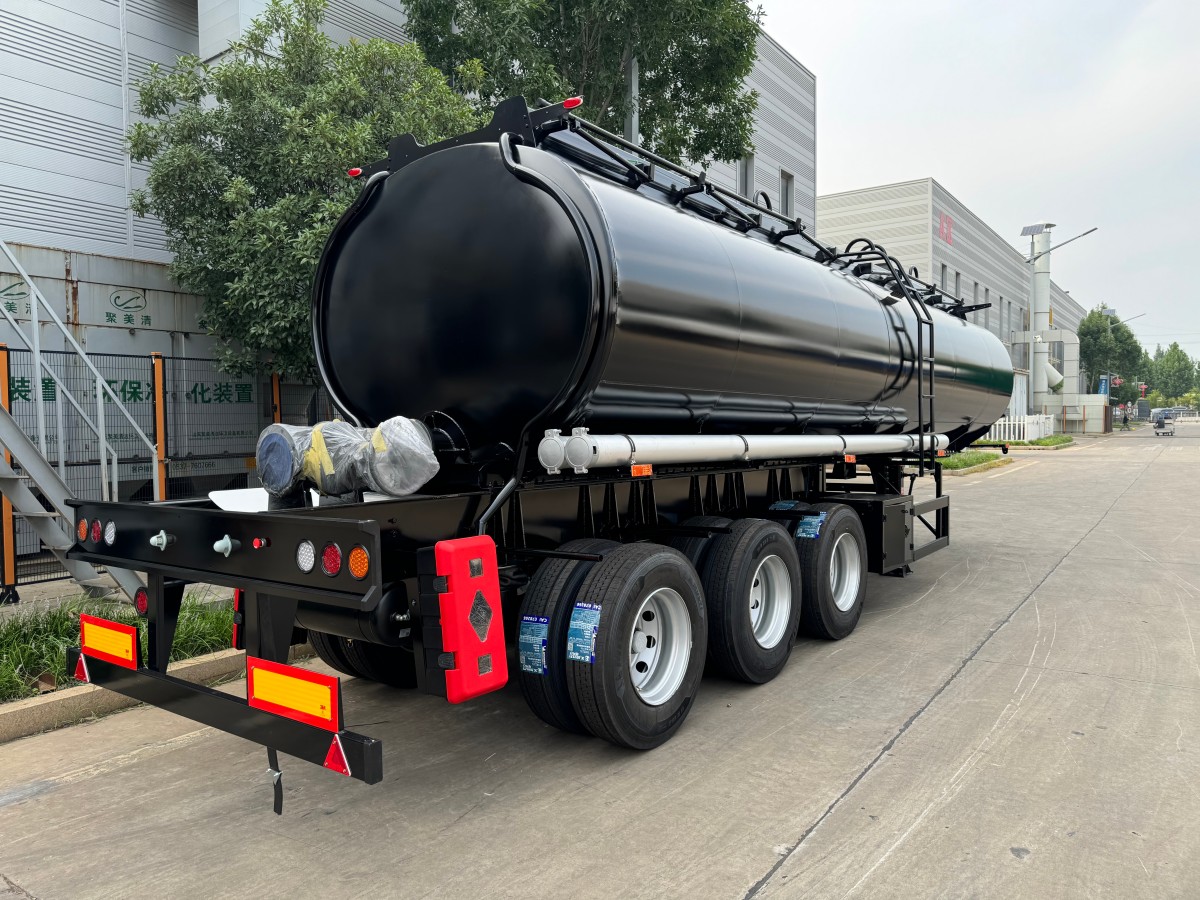
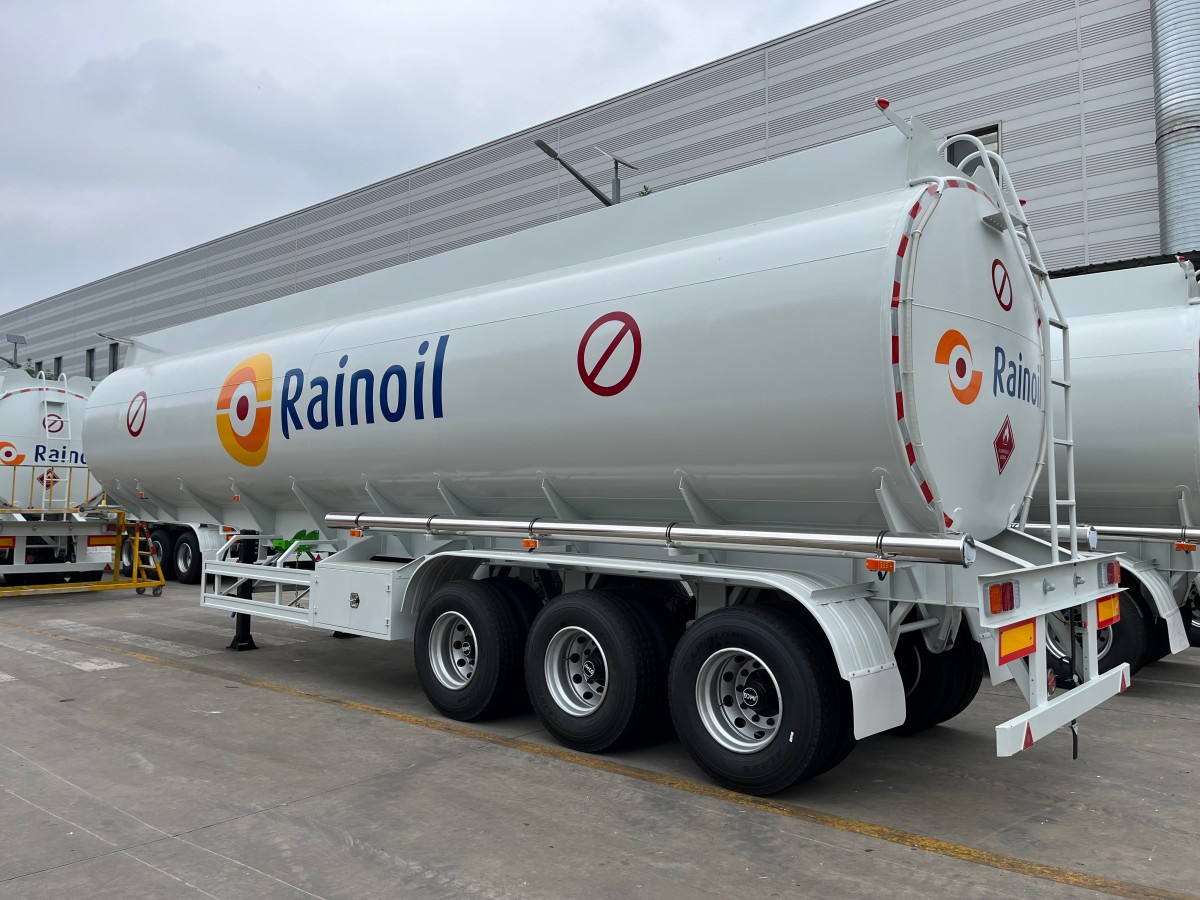
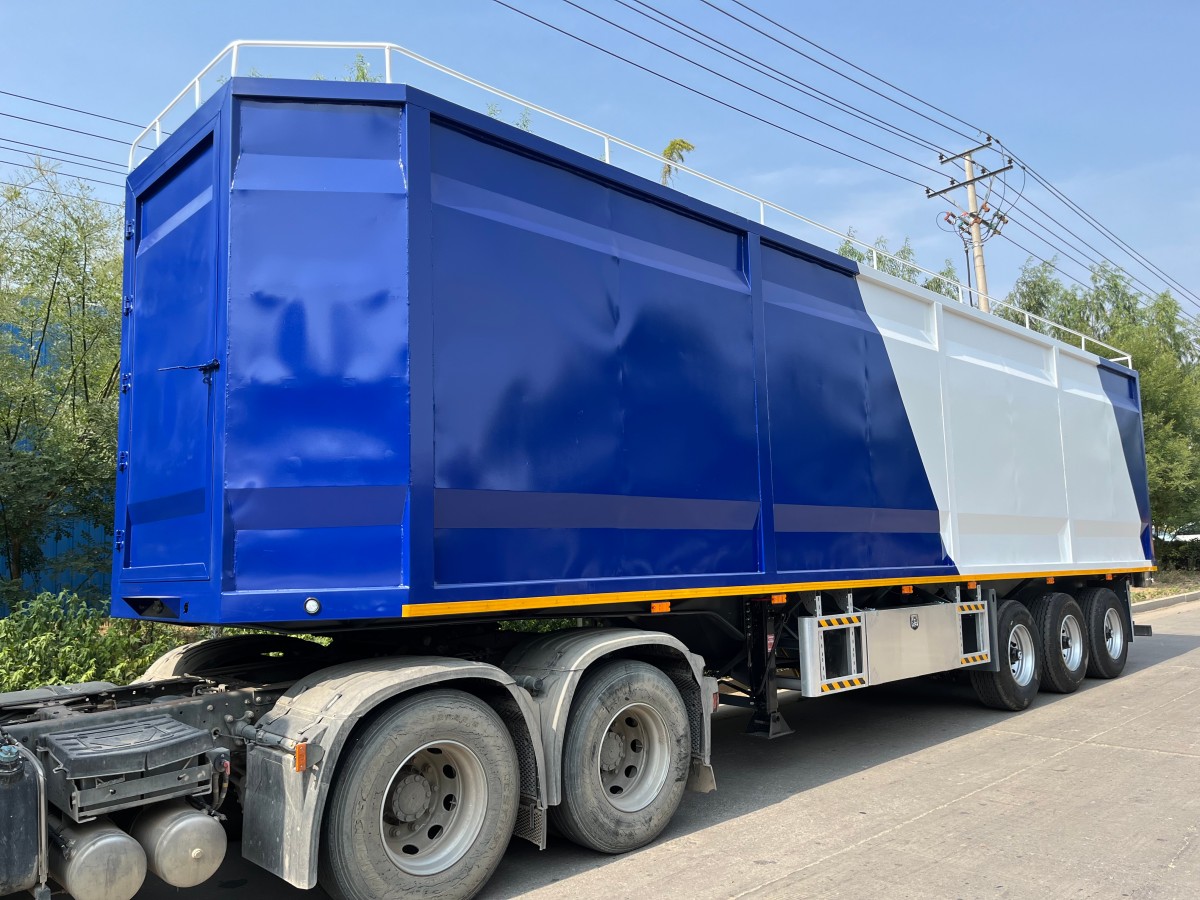
A tank-mounted semi-trailer with a high-pressure water pump, vacuum pump, and storage tank for liquid waste suction and transport.
Capacity: 8,000-30,000 L
Tank: carbon steel with epoxy coating or stainless steel
Pump: vacuum 400-1,500 m3/h, water ring or rotary vane
2. Common Applications
Municipal sewer cleaning
Septic tank emptying
Industrial effluent removal
Mining slurry transport
Oilfield produced water
3. Buying Checklist
Vacuum pump brand (Jurop, BP, Battioni)
Tank pressure rating (0.4 MPa typical)
Manhole size and rear door hydraulic opening
Anti-corrosion lining for acidic waste
Spare parts availability in your country
FAQ
What is the typical ROI for a sanitation trailer?
Municipal buyers recover cost in 18-30 months through contract service revenue.
Can a sanitation trailer transport hazardous waste?
Only with certified tank and ADR kit. Standard units handle municipal sludge.
How is the tank cleaned?
Rear hydraulic door opens fully. Internal wash nozzles are factory-fit on premium units.
For specifications, pricing, and reference country import procedures, contact postmaster@trailerintl.com with route, cargo, and budget.