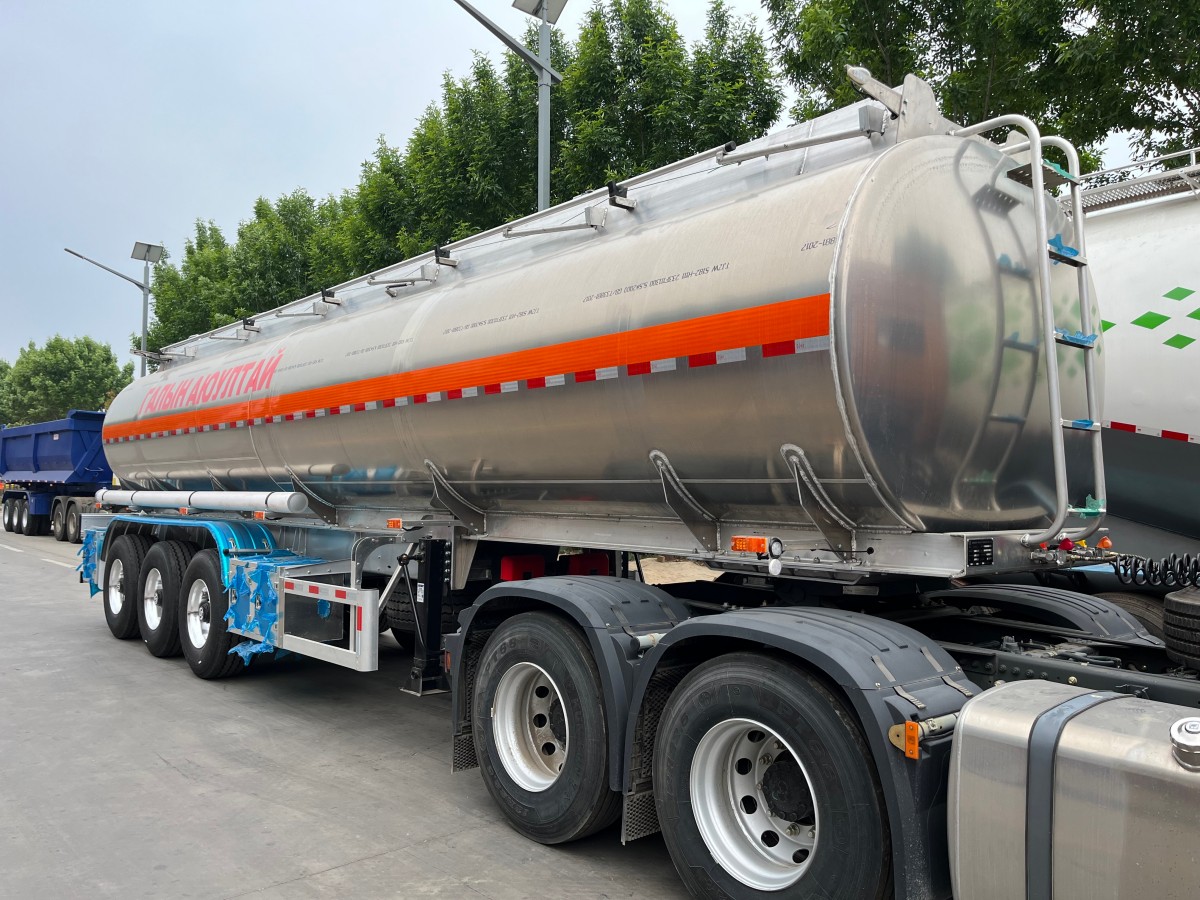
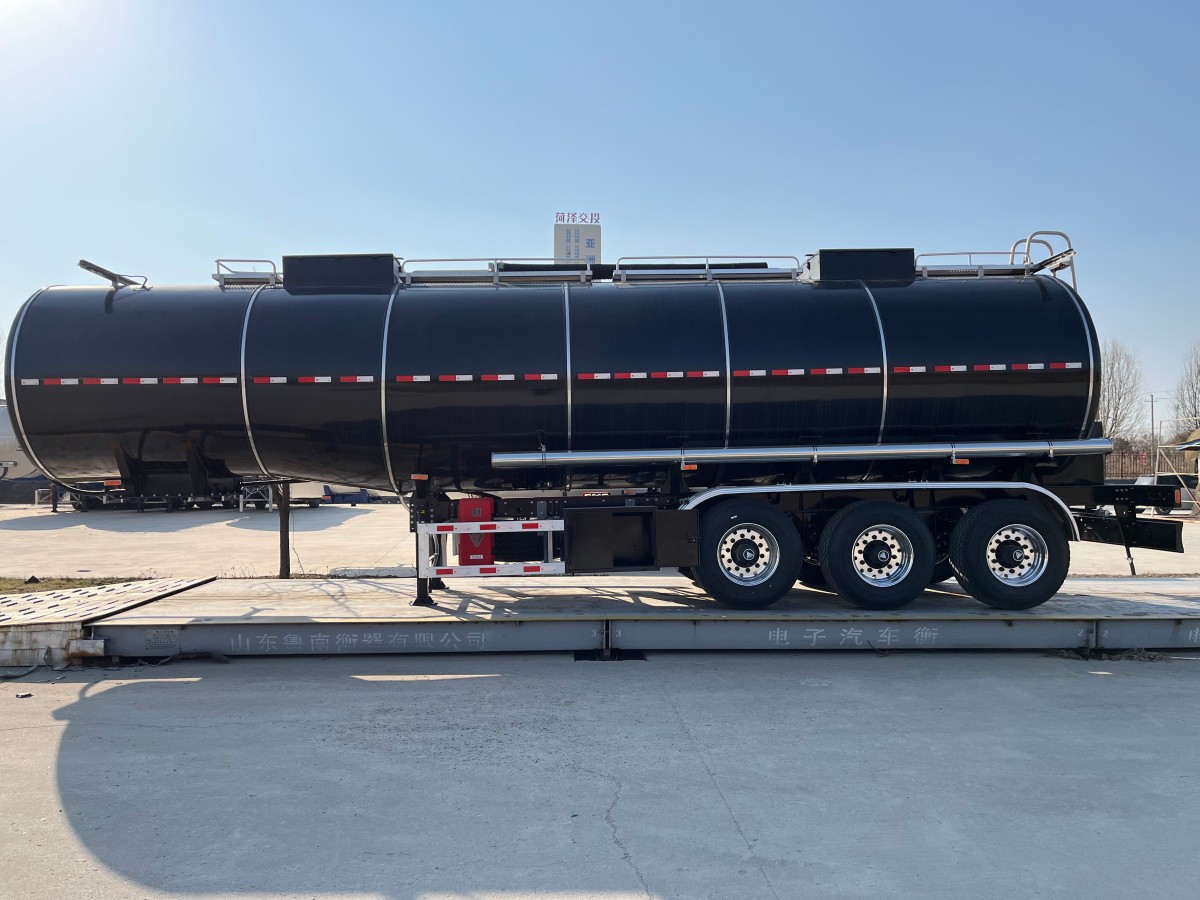
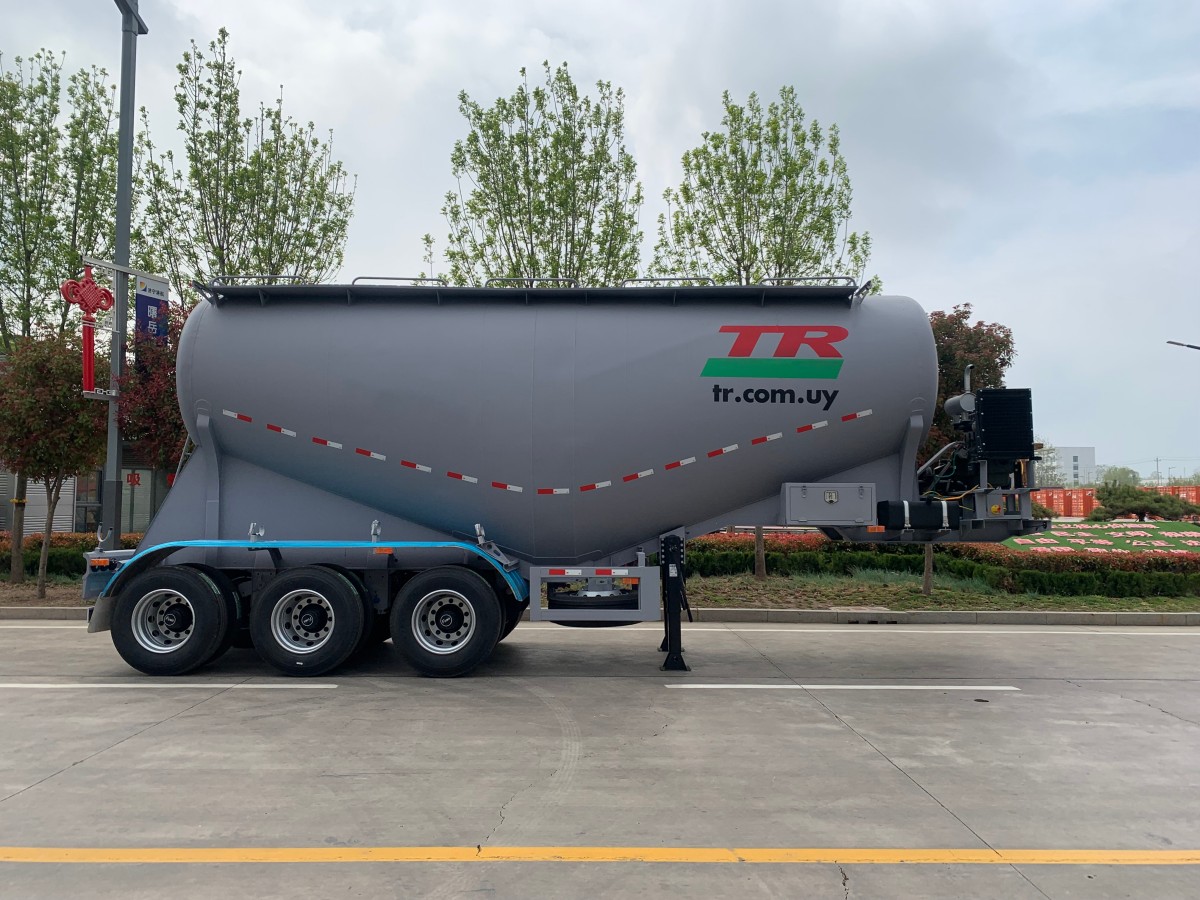
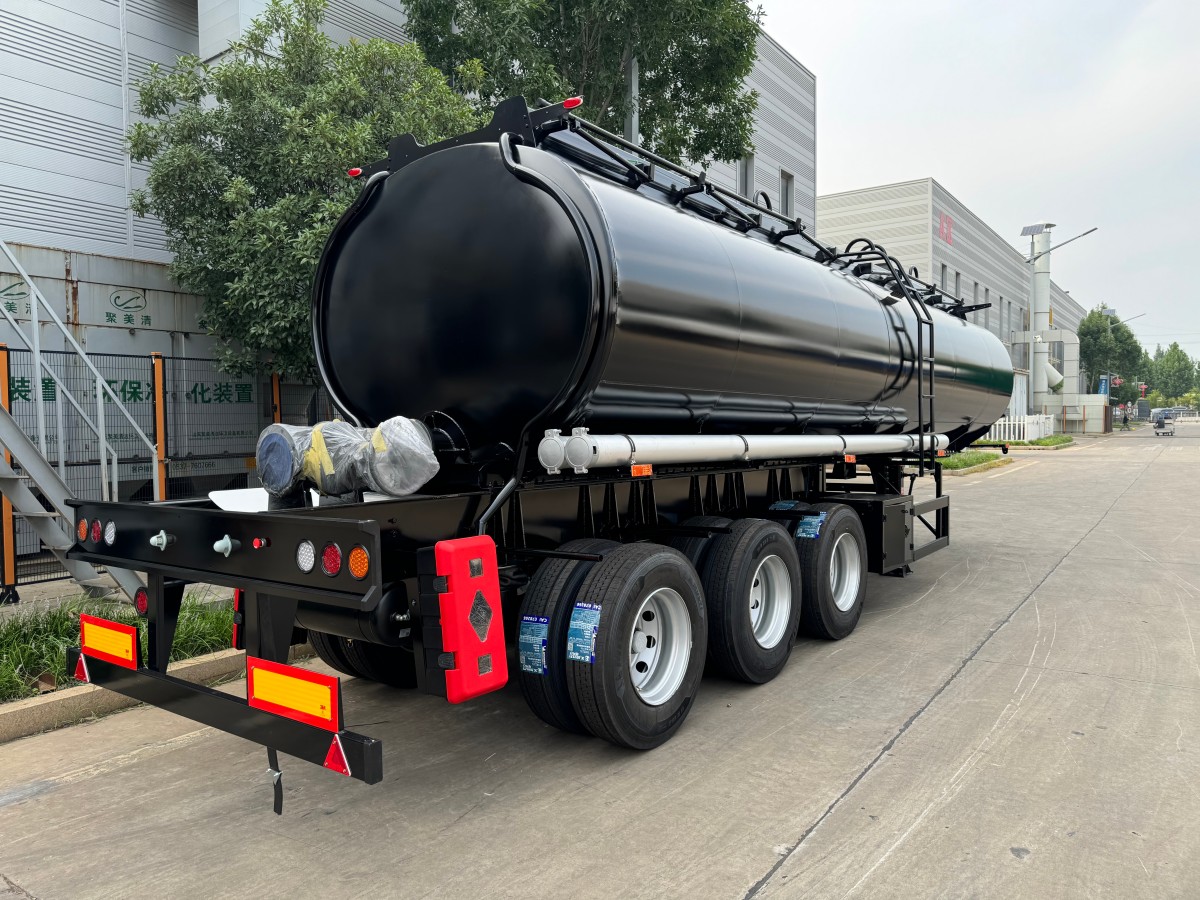
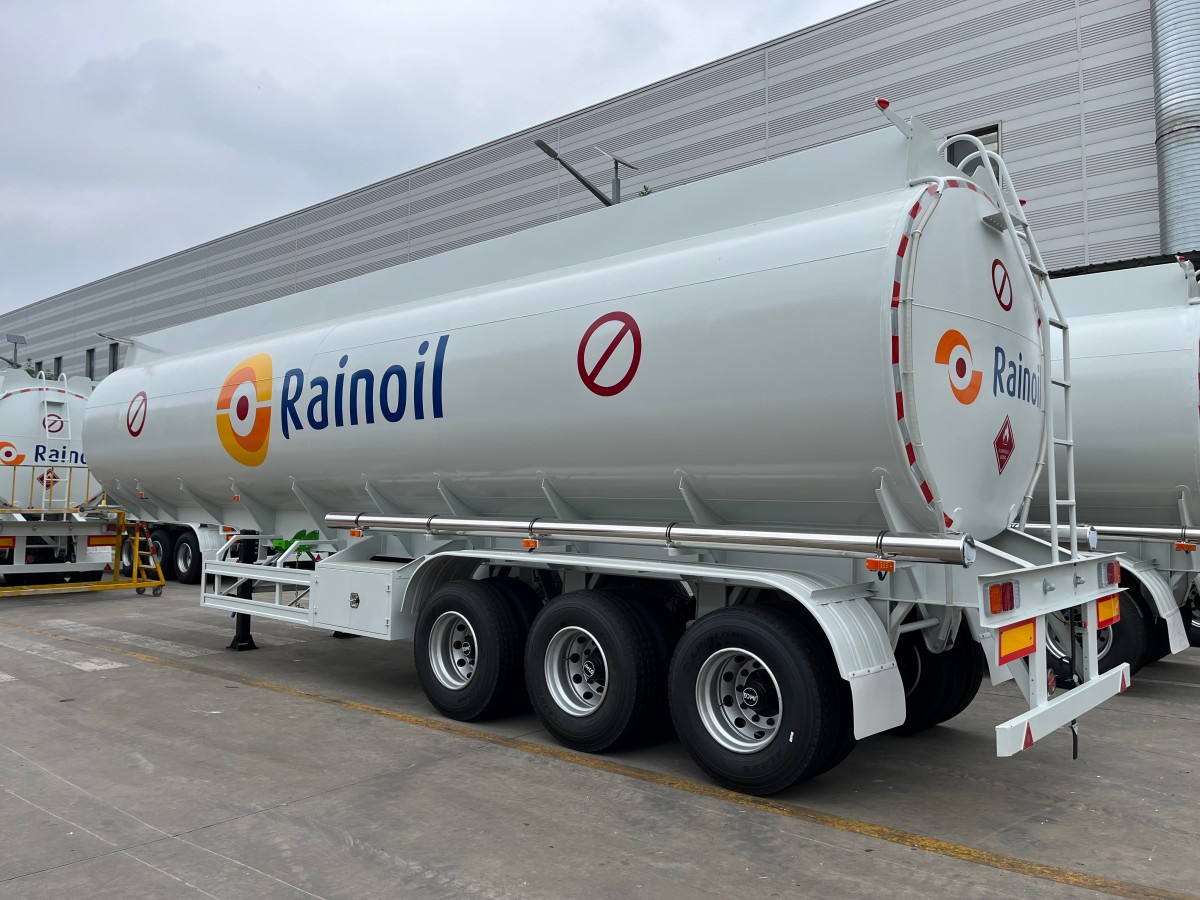
Tanzania’s petroleum distribution network depends on road tankers because the Dar es Salaam-Mwanza-Dodoma corridor is mainly road-linked. In 2025, a private petroleum distributor based in Mwanza needed to refresh a fleet serving lake-region filling stations and chose carbon steel fuel tankers from a Chinese OEM manufacturer.
Practical scale: A single buyer ordering 15 fuel tankers of 45,000 L each is a typical mid-tier procurement case worth examining in detail.
1. Buyer Profile
- Region: Mwanza, Lake Victoria zone
- Operation: bulk fuel transport to inland stations (petrol, diesel)
- Existing fleet: 9 used tankers (mix of older Chinese and Japanese units)
- Decision driver: replace units over 15 years old, add 6 tanker units to expand into Geita mining region
2. Tender Specification
The buyer published an internal spec sheet with the following baseline:
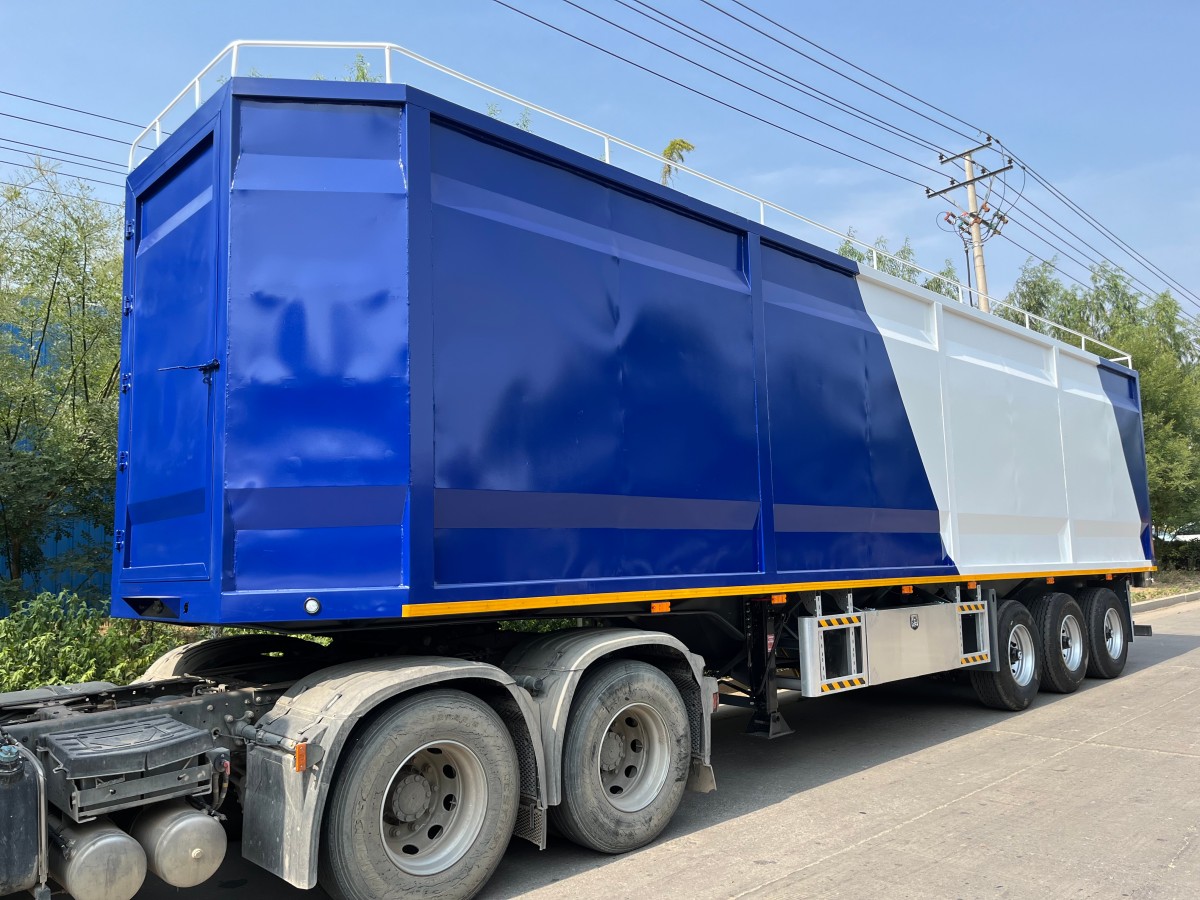
- Capacity: 45,000 L per trailer, 4 compartments (5,000 / 15,000 / 15,000 / 10,000)
- Material: carbon steel (cost-optimised for diesel), no stainless requirement
- Axles: 3 × BPW 13-ton mechanical suspension
- Tires: 12R22.5 tubeless, 12+1 spare kit
- Kingpin: 90# JOST
- Manholes: 4 × API 500 mm with vacuum pressure relief
- Walkway: top platform with anti-slip grating
- Compliance: Tanzania TBS road vehicle code, KEBS-style cross-border for Kenya deliveries
3. Procurement Process
- Supplier shortlisting (3 weeks): 6 Chinese manufacturers reviewed, 3 visited in Liangshan, samples inspected at the manufacturer’s yard.
- Spec alignment (2 weeks): 3 rounds of technical clarification on compartment sizing, brake compliance, and chassis hot-dip galvanizing.
- First-article inspection (1 week): buyer sent two engineers to the factory for FAI on the first unit, including hydrostatic tank pressure test and brake response time on a 5 km road loop.
- Production and shipment (10 weeks): 15 units built in two batches, RoRo from Tianjin with roll-cage protection for the tank shells.
- Destination port and inland transport (5 weeks): Dar es Salaam port clearing via PVoC, Mwanza inland run on low-loader trailers.
4. Cost Breakdown (Indicative)
| Line |
USD per unit |
| Trailer FOB China (carbon steel, 4 compartments, BPW) |
~38,000 |
| Ocean freight (Tianjin → Dar, 40ft FR) |
~4,800 |
| TBS certification + PVoC |
~1,200 |
Inland transport to Mwanza
| ~2,800 |
| Insurance + commissioning |
~900 |
| Landed cost, per unit |
~47,700 |
5. After-Sales Performance (12 months in)
- Mean uptime: 96.4% (target was 95%)
- Warranty claims: 2 axle seal leaks on unit 03 and 11, both resolved with replacement parts shipped from China in 14 days
- Operator feedback: braking improved over older fleet due to ABS mandate, cabin-stability acceptable at Tanzanian highway speeds
- Spare parts kit shipped with each unit: brake shoes, kingpin bushing, kingpin grease, paint touch-up set
6. What Worked
- Carbon steel tank was the right choice — high-margin diesel, no acidic chemical exposure, replacement capital came back on the first year of operation
- BPW axles outweighed the 12% cost premium over domestic Chinese axles because kingpin-axle alignment tolerance is more accurate and spare parts are stocked by South African distributors
- First-article inspection caught one welding seam issue on a baffle plate and led to a small process change that lifted overall structural QA
7. Lessons for Future Buyers
- Plan PVoC certification sequence before the vessel departs — every day of delay at destination port is roughly 95 USD
- Carry two spare axles and one spare kingpin in the first shipment — local axle replacement is rarely possible
- For mining-region delivery (Geita), request an extra rock-guard package on the underside
- Insist on a factory-loaded sea-freight container of pre-painted spare panels to handle minor body damage before commissioning
FAQ
What is the typical production lead time for 15 fuel tankers?
Production from PO to FOB is roughly 8-10 weeks for a batch of 15 carbon steel fuel tankers. Adding sea freight (China to East Africa) and inland transport brings total project duration to about 16-18 weeks.
Should I choose carbon steel or aluminium for fuel tankers?
Carbon steel is correct when the cargo is diesel, petrol, or kerosene. Aluminium only makes sense for high-mileage fleets where tare weight matters (every kg saved is kg of payload). For short-haul lake-region operations, carbon steel gives the best economics.
How many compartments should I specify?
4 compartments is standard for fuel distributors serving multi-product filling stations. Smaller fleets go with 3 compartments. Avoid more than 5 — baffle plates start to interfere with cleaning and pump access.
What about ABS brake compliance?
East African road codes (TBS, KEBS) mandate ABS on trailers above 10 tons. Always specify ABS at order; retrofitting later is more expensive than factory-fit.
How is the tank shipped safely?
Roll-cage protected on RoRo vessels, with internal baffle frames spot-welded to add roll rigidity. Premium shipments use desiccant in the manhole to prevent internal corrosion during the 35-day ocean transit.
For project enquiries, fleet quotes, and tender support, contact postmaster@trailerintl.com with cargo type, route, and target tonnage. This case study is published by a manufacturer exporting 5,000+ semi-trailer units annually to 40+ countries.