Port Drayage Operations: How Short-Haul Trailer Haulage Works
Drayage is the short-distance haulage of containers between ports and inland destinations. It is one of the most important — and least understood — segments of container logistics. This guide explains how drayage operations work and what fleet buyers should know.
1. What is Drayage?
Drayage is the truck transportation of containers over short distances — typically less than 200 miles (320 km). It connects port terminals to:
Inland container depots (ICD)
Rail intermodal terminals
Distribution centres and warehouses
Empty container depots
2. The Drayage Cycle
Truck arrives at terminal, picks up loaded container on chassis
Truck departs terminal, routes to inland destination
Truck arrives at inland destination, container is unloaded
Truck returns to terminal, either with empty container or with another loaded container
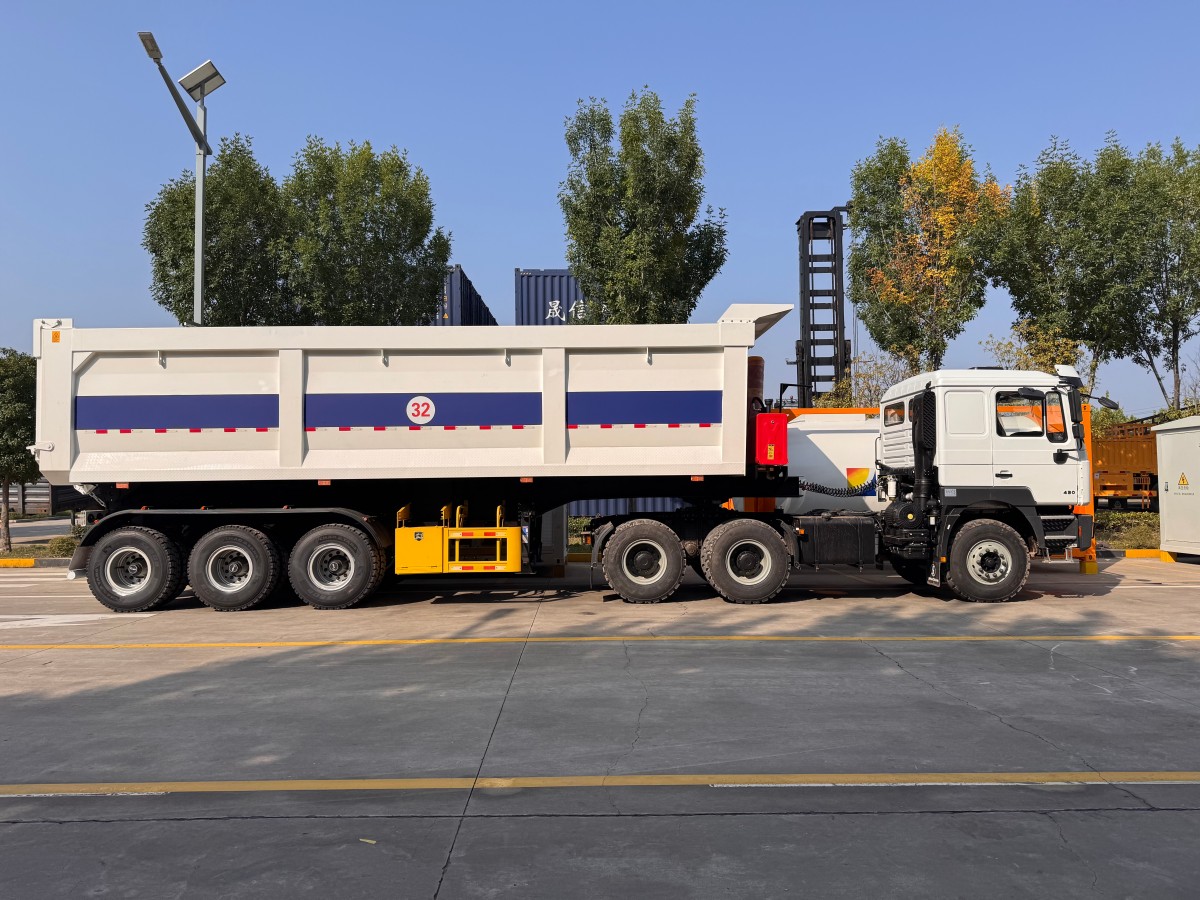
Tractor unit: standard semi-trailer tractor (not terminal-tractor specific)
For terminal-to-terminal hauls: short-wheelbase trucks, sometimes terminal tractors
4. Drayage Route Classes
Local drayage: <50 km, terminal to nearby depot
Regional drayage: 50-200 km, terminal to regional DC
Long-haul drayage: 200+ km, occasional cross-border moves
5. Operational Metrics
Turnaround time: 1.5-3 hours for local drayage
Cycles per day: 2-4 typical
Empty miles: 30-50% of total miles driven
Equipment utilisation: 70-85% target
6. Cost Drivers
Fuel: 30-40% of drayage operating cost
Driver wages: 25-35%
Equipment depreciation: 15-20%
Maintenance: 10-15%
Insurance and overhead: 10-15%
7. Trailer Fleet Considerations
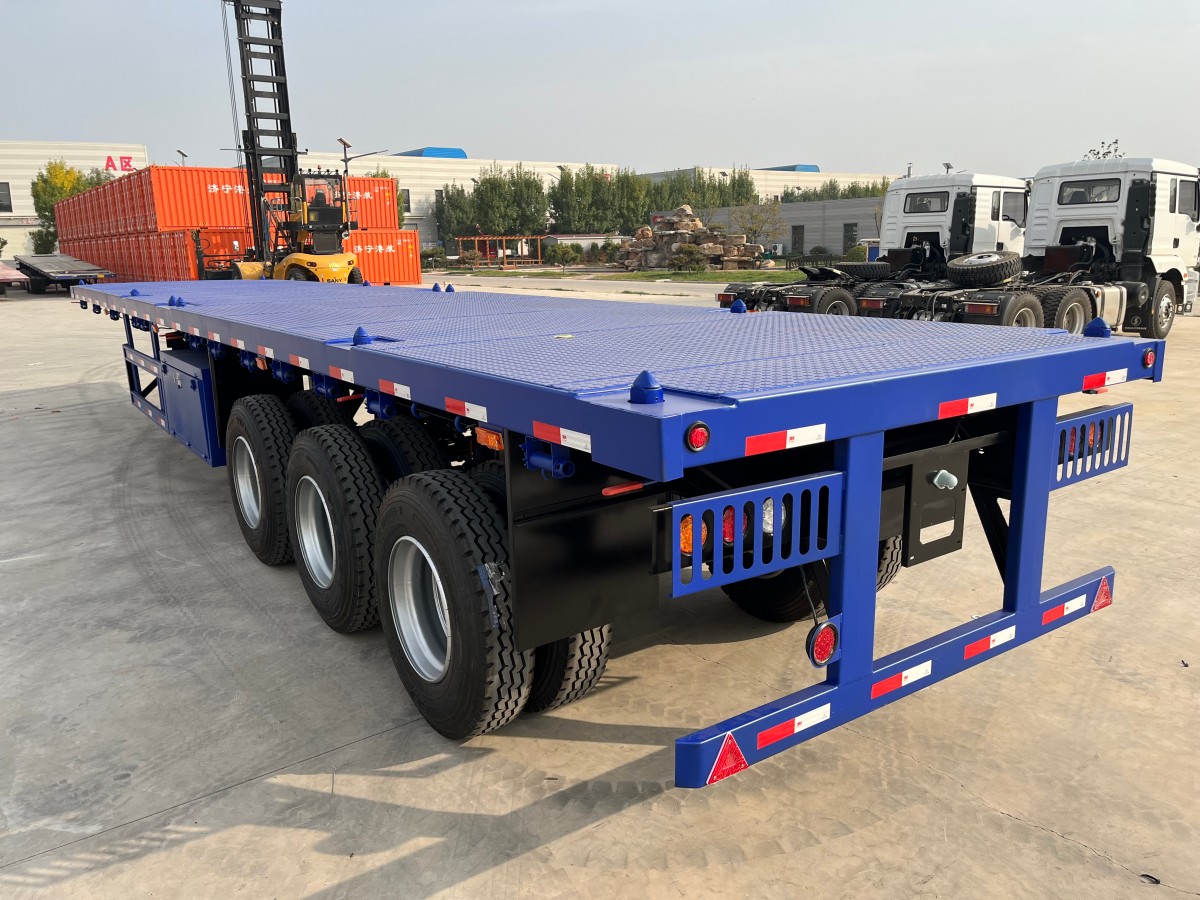
Mix: 60-80% chassis, 10-20% reefer chassis, 10-20% flatbed for break-bulk
Age profile: 5-10 years to keep performance optimised
Spec for high-cycle operation: 12,000+ cycle rated twist locks
For coastal ports: anti-corrosion chassis underbody
8. Common Drayage Routes (Examples)
Los Angeles / Long Beach → Inland Empire, CA (terminal to ICD)
Rotterdam → Antwerp border (cross-border EU)
Singapore → Johor Bahru, Malaysia (cross-border ASEAN)
Durban → Johannesburg (cross-region South Africa)
9. Regulatory Considerations
Hours of service rules vary by country and region
Cross-border operations require customs brokers and proper documentation
Weight limits: most regions cap at 36-44 tons gross for legal operation
10. Technology in Drayage
GPS tracking and route optimisation
ELD (Electronic Logging Device) integration
Appointment scheduling with terminals
Visibility platforms linking shippers, carriers, and terminals
FAQ
What is the difference between drayage and line haul?
Drayage is short-distance, typically within 200 miles. Line haul is long-distance, usually multiple days. Drayage uses local drivers; line haul uses over-the-road drivers.
What is the typical drayage rate?
Varies by region. Typical US drayage: $300-600 per move. EU: €200-500 per move. Asia-Pacific: $80-300 per move.
How many drayage cycles per day per truck?
2-4 cycles typical. High-throughput operations (LA port, Singapore) reach 4-6 with optimised terminal appointments.
For fleet enquiries and tender support, contact postmaster@trailerintl.com. This guide is published by a manufacturer exporting 5,000+ semi-trailer units annually to 40+ countries.