Container Terminal Operations: How Semi-Trailers Fit Into Port Logistics
Container terminals are the gateway nodes of global trade, and semi-trailers are a critical link between the port and the inland. This guide explains the operational roles of semi-trailers in container terminals and what fleet buyers should know.
1. Terminal Operation Types
Quay-to-Yard (Q-Y): quay crane unloads ship, container lands on chassis or trailer
Yard-to-Inland (Y-I): chassis or trailer moves container to inland rail or truck
Drayage: short-haul between terminal and adjacent warehouse/depot
Inter-modal transfer: container moves between vessel, rail, and truck
2. Trailer Roles in Terminal Operations
Skeletal chassis: dedicated container carrier, no deck, twist locks only
Container-handling tractors: dedicated terminal tractor with cab-over design
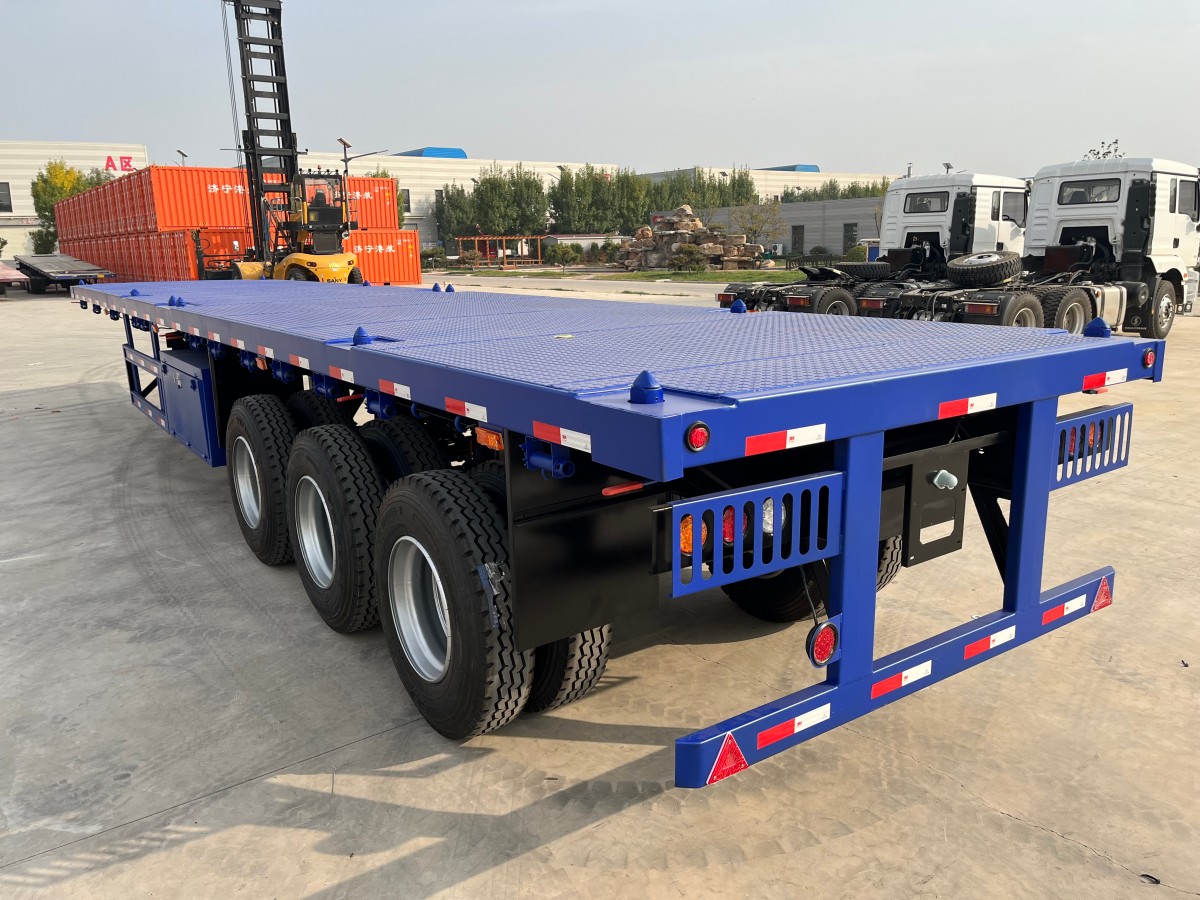
Flatbed: flexible for both containers and general cargo (less common in pure terminal ops)
Reefer trailer: for cold-chain container transport (pharmaceuticals, food)
3. Why Skeletals Dominate
Weight saving: skeletal is 1.5-2 tons lighter than flatbed with twist locks
Speed: twist-lock operation is fast (60-90 seconds for 4 corner locks)
Compatibility: standard 20/40/45 ft ISO configurations
Specialisation: terminal operations buy by spec; skeletal is the spec
4. Twist Lock Counts and Standardisation
Universal skeletal chassis with 12 twist locks handles 20, 40, and 45 ft containers. Eight-lock chassis handles 20 and 40 only. Spec your chassis match to operational mix:
20 ft only: 4 locks
20 and 40 ft: 8 locks
20, 40, and 45 ft: 12 locks
5. Kingpin Specifications
50# kingpin (2-inch): standard for North American and Western truck-orchestration
90# kingpin (3.5-inch): standard for highway tractors outside Western terminal ops
Most international buyers specify 50# for terminal-tractor compatibility
6. Drayage Cycle Times
Typical drayage operations have 4-6 cycles per day per chassis, depending on:
Terminal yard turnaround: 30-60 minutes
Inland delivery distance
Loading/unloading time at destination
Container return (empty vs loaded)
7. Operational Considerations
Yard-turn requirements: skirts, mudguards, retroreflective tape per local code
Lighting: front and rear lighting for night operation is mandatory in most terminals
Brake and ABS: required for any chassis operating in mixed terminal traffic
8. Bulk Operations
For terminals serving mixed cargo (containers, break-bulk, project cargo), trailer fleets typically include:
30-50% skeletal chassis for container handling
20-30% flatbeds for break-bulk / palletised cargo
10-20% reefer chassis for cold-chain containers
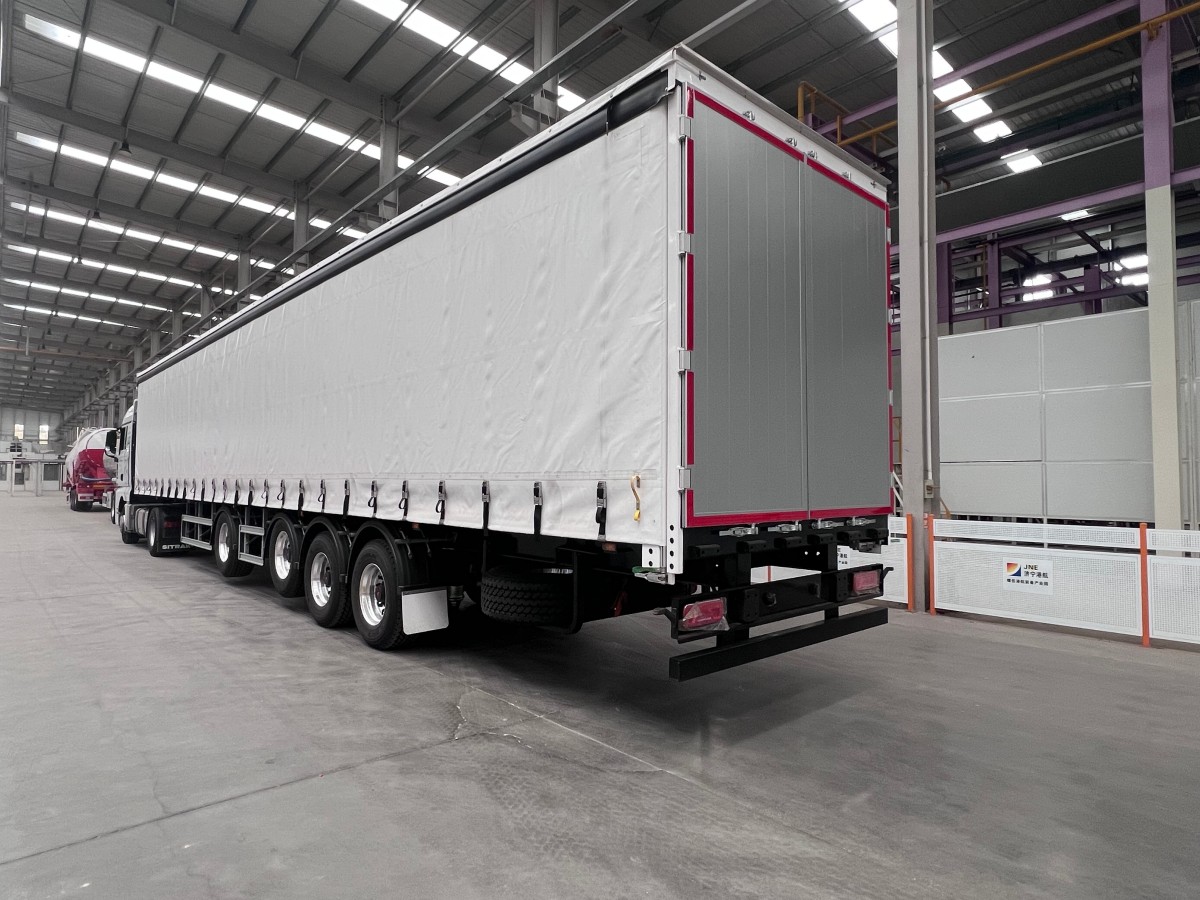
10-20% side-wall / curtain-side for general palletised cargo
9. Buying Considerations
Spec heavy-duty axles for terminal-duty cycles (BPW 12-ton or equivalent)
Spec sealed bearings for coastal/port-side humidity
Spec high-cycle twist locks (tested to 5,000+ cycles)
Anti-corrosion underbody for ports
10. Operational Efficiency Metrics
Container moves per trailer per day: 4-6 typical, 8+ in high-throughput terminals
Trailer availability: 95-97% target
Trailer lifecycle: 10-15 years for highway, 7-10 years for terminal-heavy duty
FAQ
What is a terminal tractor?
A short-wheelbase truck-tractor with cab-over design, optimised for terminal operations. Uses 50# kingpin with skeleletal chassis. Common in North American and major international terminals.
What is the typical chassis utilisation rate?
4-6 container moves per chassis per day in standard throughput. High-density ports like Singapore and Shanghai can reach 8-10 moves per day.
How long does a chassis last in terminal operations?
7-10 years for terminal-heavy duty (shorter than highway-life 10-15 years) due to repeated twist-lock cycles and tight-turning stress.
For fleet enquiries and tender support, contact postmaster@trailerintl.com. This guide is published by a manufacturer exporting 5,000+ semi-trailer units annually to 40+ countries.