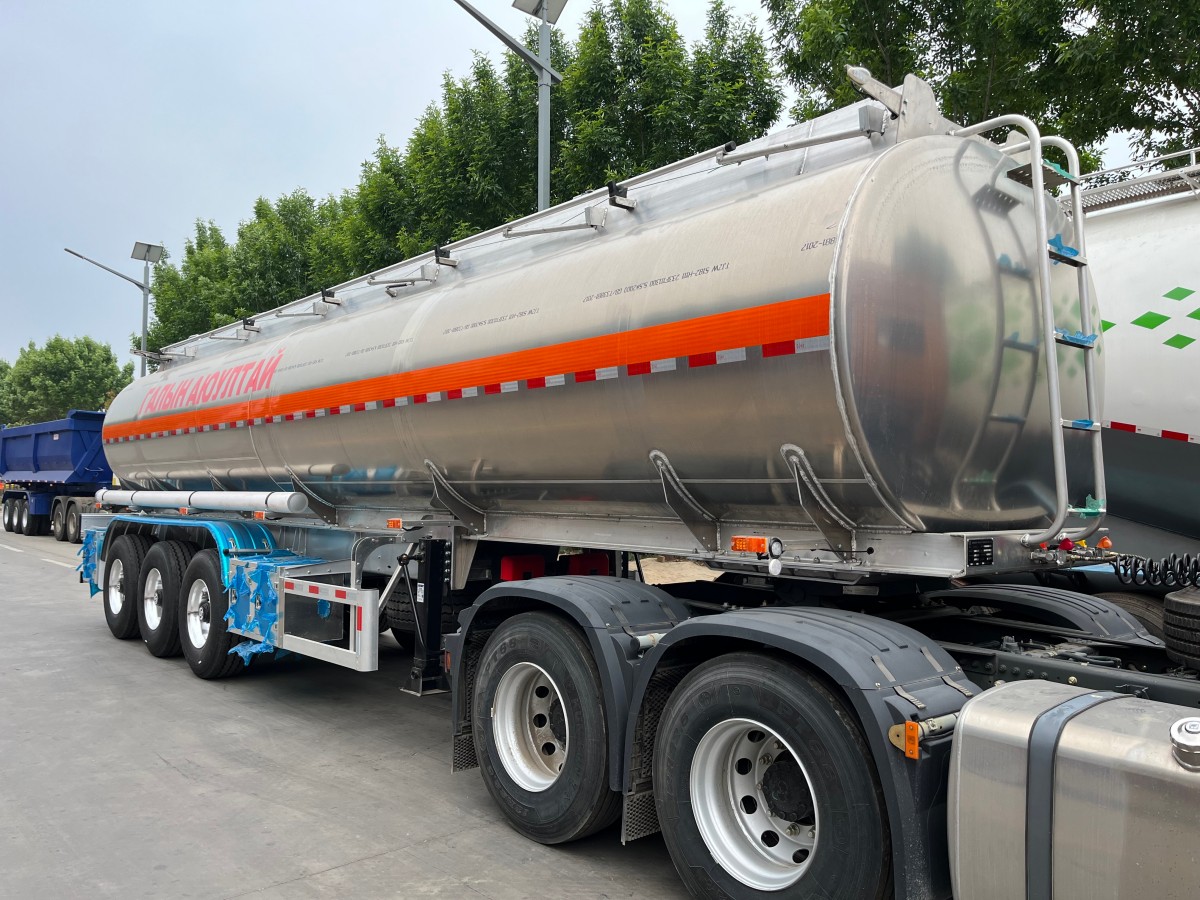
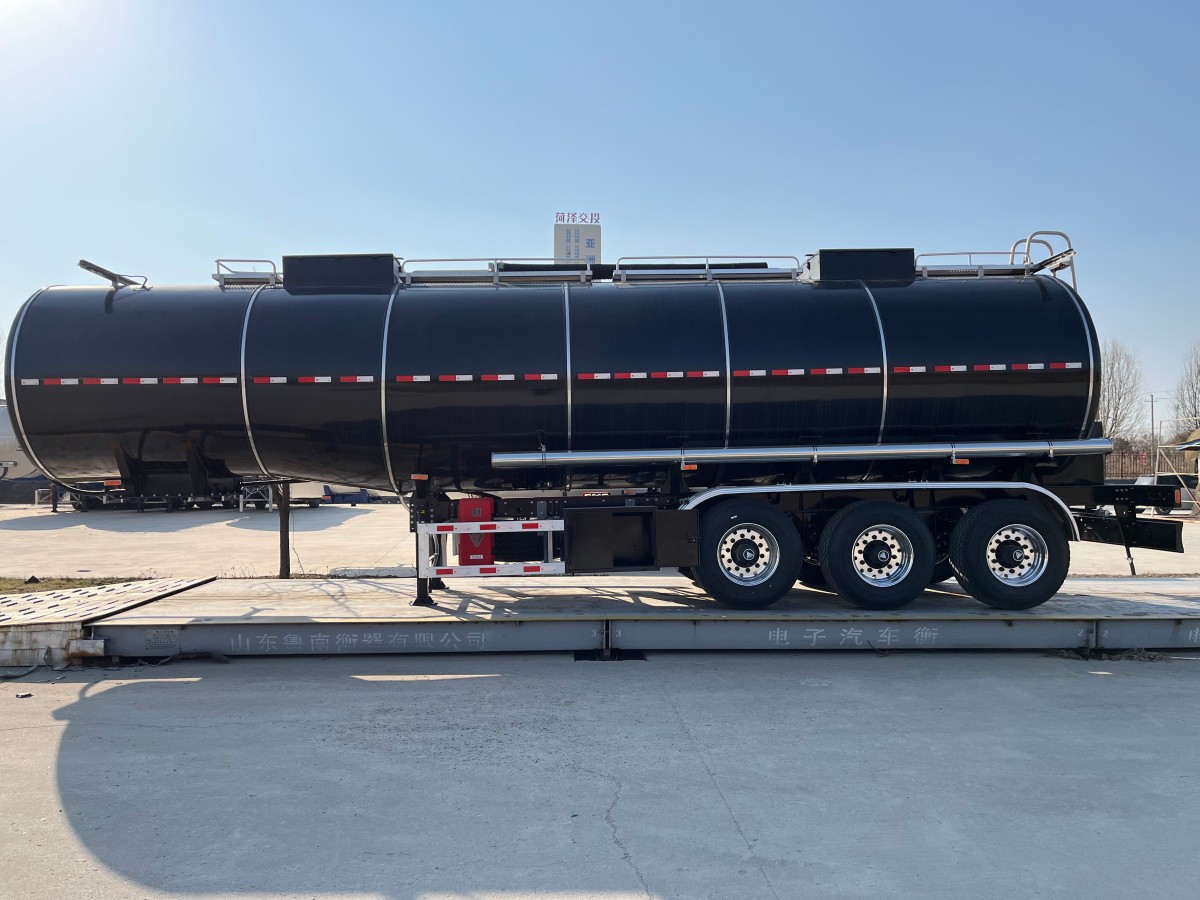
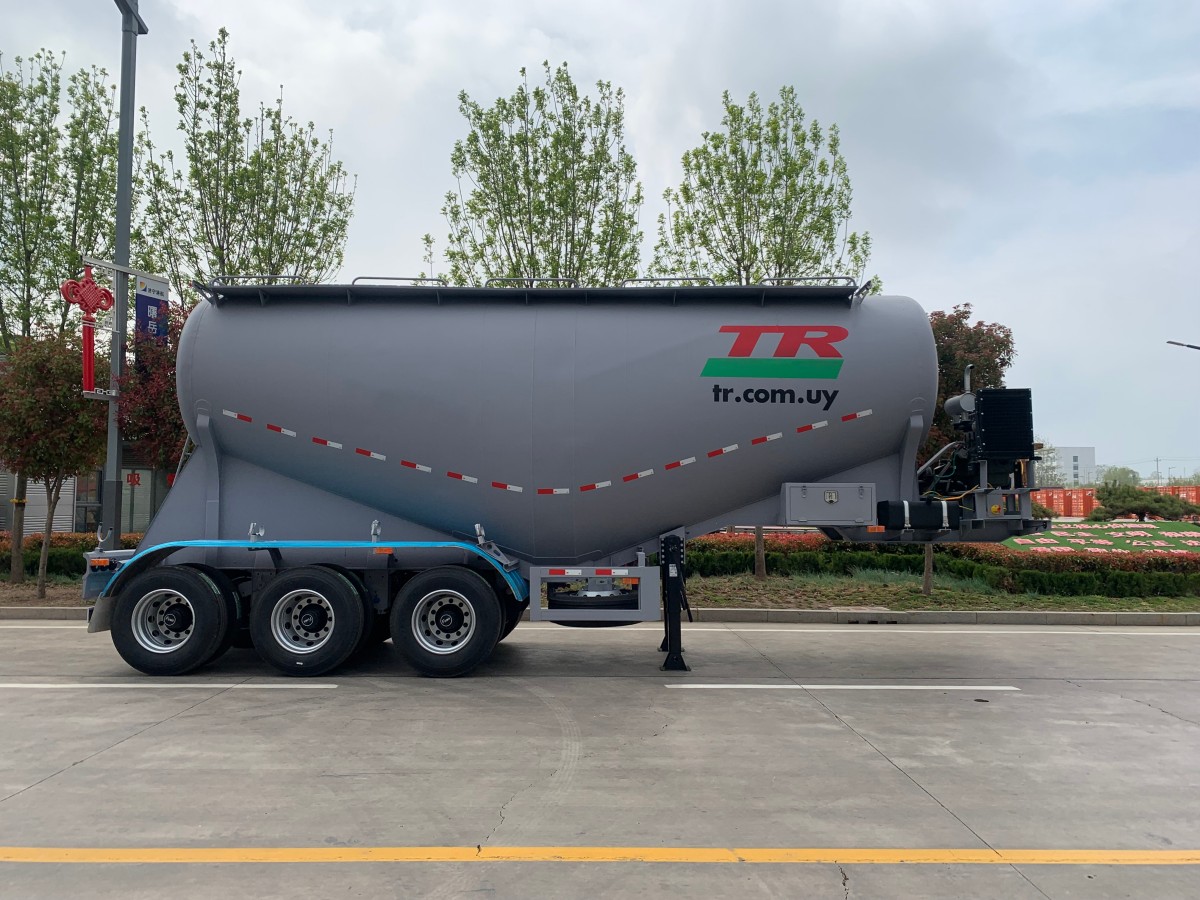
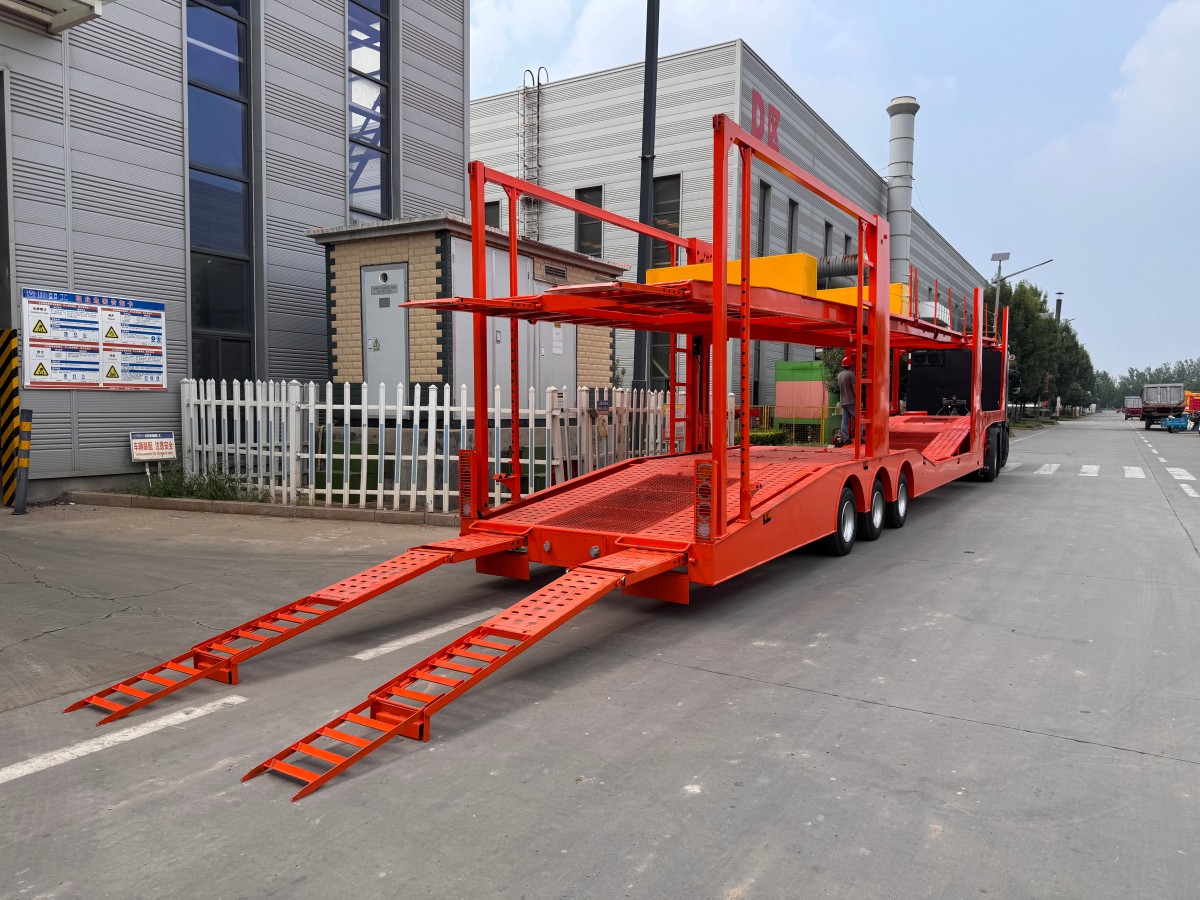
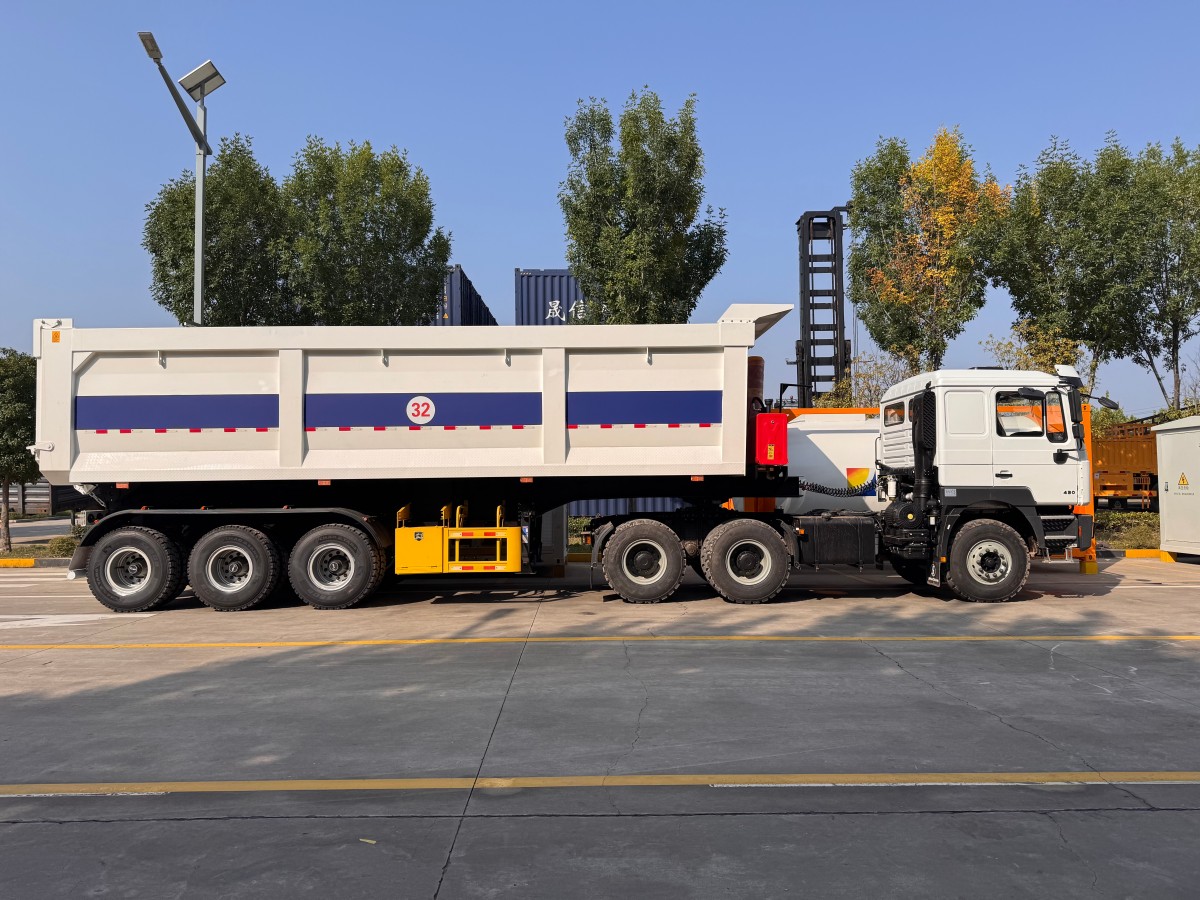
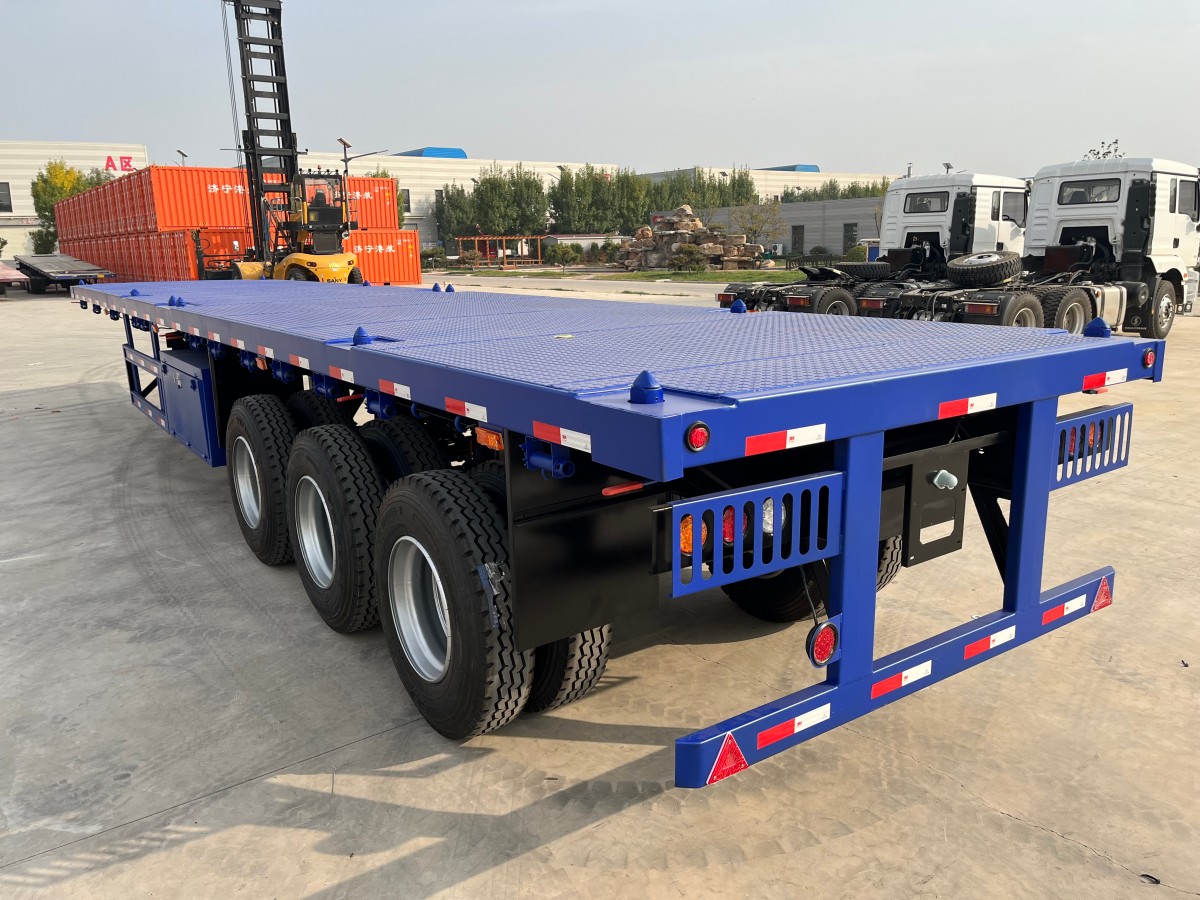
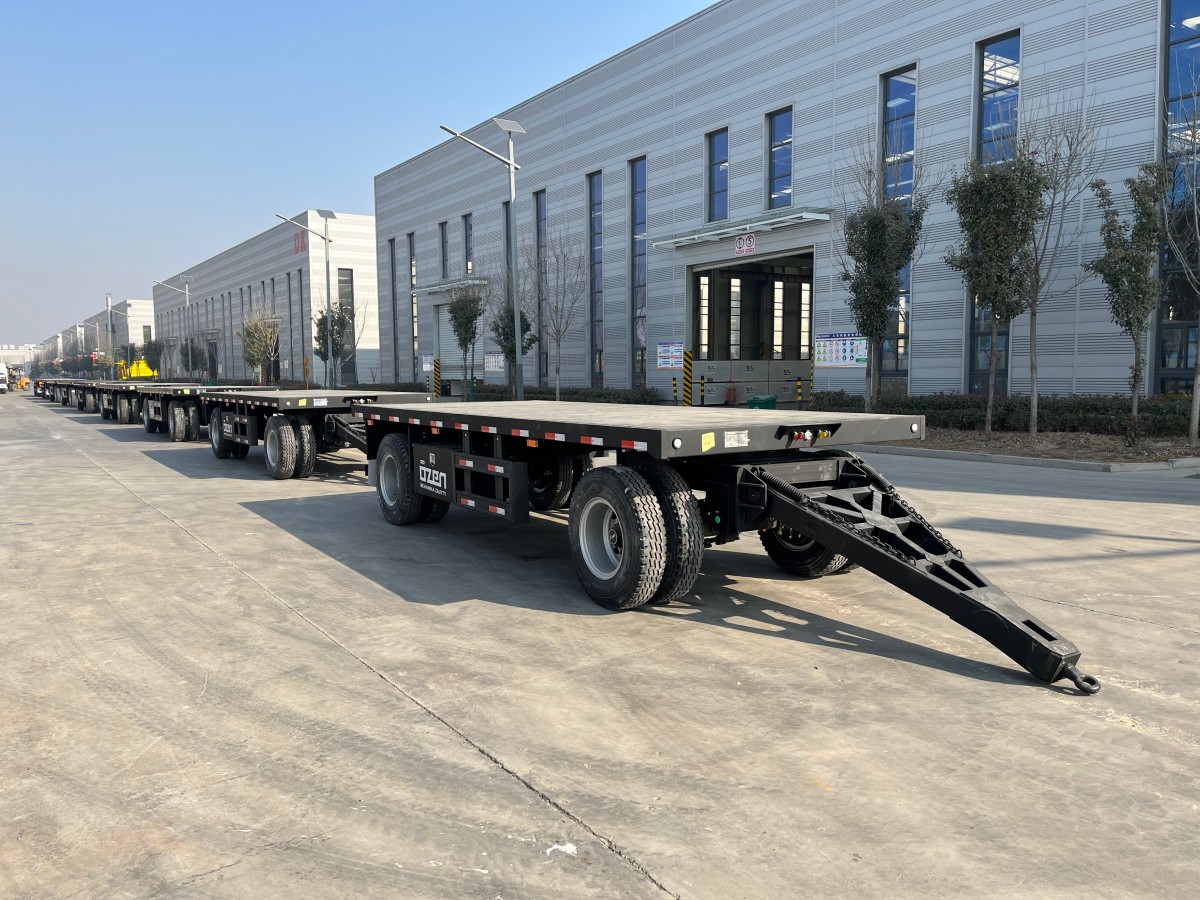
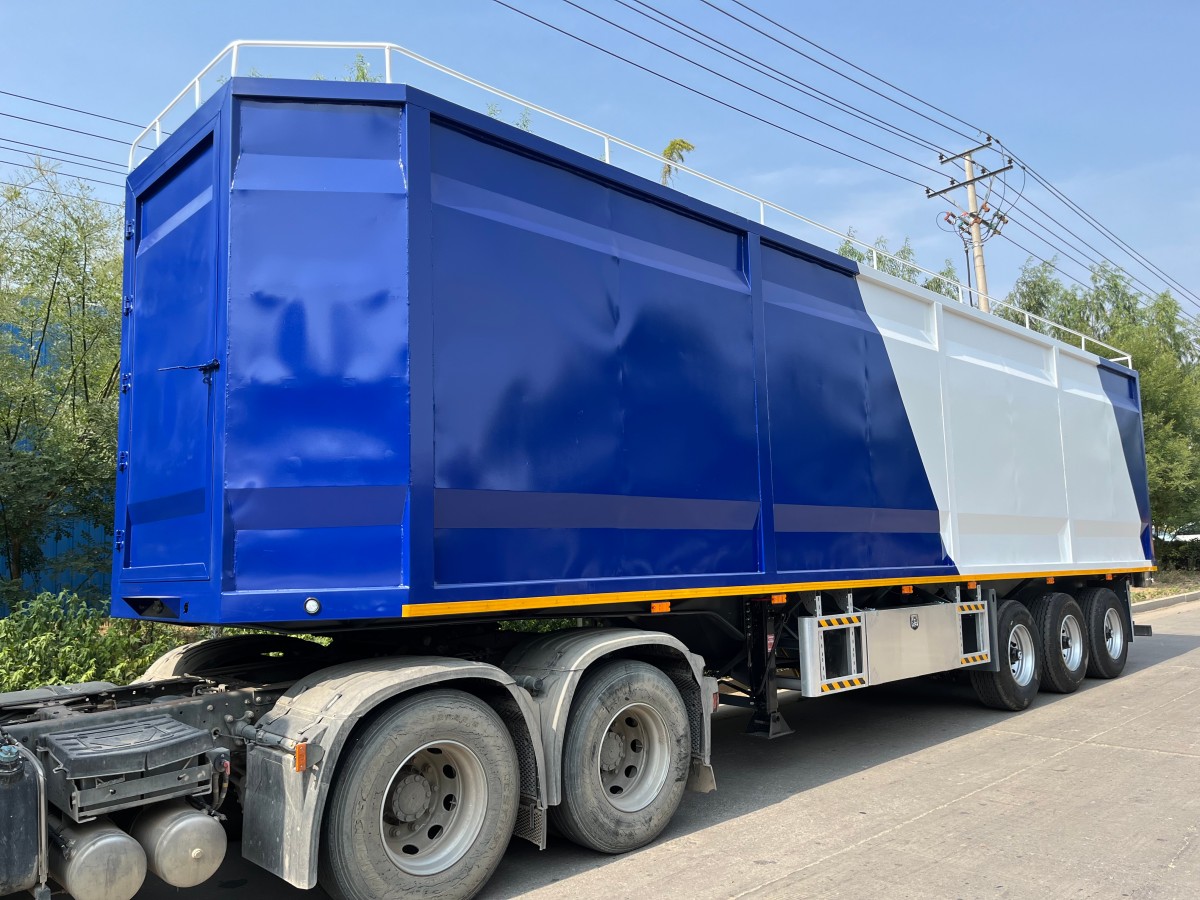
Kenya is East Africa’s commercial hub and a major semi-trailer market, with Mombasa port handling most imports serving the East African Community (Kenya, Uganda, Rwanda, Burundi, South Sudan, eastern DRC). This guide covers the full procurement journey.
1. Demand Profile
- Container logistics: Mombasa port feeds Uganda, Rwanda, DRC; skeletal chassis, flatbeds
- Agriculture: tea, coffee, flower exports use reefer vans
- Construction: Nairobi metro drives tippers and lowbeds
- Petroleum: pipelines plus road tankers for last-mile distribution
- Cross-border to EAC: fuel tanker, reefer, container all need EAC-spec configuration
2. PVoC and KEBS Compliance
PVoC (Pre-Verification of Conformity) is the entry point for standards compliance. Steps:
- Route registration with KEBS-appointed verification body
- Product testing against KS standards
- Issuance of Certificate of Conformity (CoC)
- Customs clearance using CoC
Budget ~2-3% of cargo value and ~3-4 weeks lead time.
3. KRA Customs and Tax
- Import duty: 25% on finished semi-trailers
- VAT: 16% (input recoverable for VAT-registered traders)
- Excise duty: 0% for semi-trailers (only fuel-related items taxed)
- IDF (Import Declaration Fee): 2%
4. Port Selection
- Mombasa: primary, 90% of imports
- Dar es Salaam: secondary, used for Uganda-bound cargo with overland transit
5. Inland Transport
- Mombasa → Nairobi: 500 km, 7 hours via Mombasa-Nairobi highway
- Mombasa → Kampala: 1,200 km, 22-30 hours with two overnight stops
- Mombasa → Kigali: 1,500 km, 28-36 hours
6. After-Sales Network
Nairobi has mature OEM support for FUWA, BPW, JOST, WABCO. Local agents in Industrial Area and on Mombasa Road. Verify emergency call-out coverage during ordering.
7. Financing Options
- Preferential Chinese OEM export financing (12-24 month tenor)
- Kenyan bank L/Cs (KCB, Equity, Co-operative Bank)
- Asset finance for fleet expansion (typical 30% deposit, 5-year tenor)
8. What to Ask Your Manufacturer
- WPS documentation
- Reference projects in East Africa
- Forklift-friendly specifications for Mombasa port handling
- Spare parts catalogue for the first 24 months of operation
9. Common Pitfalls to Avoid
- Don’t under-spec brakes — Kenya has mountainous terrain; ABS is mandatory for >10 ton
- Don’t underestimate humidity in coastal Mombasa; insist on anti-corrosion underbody
- Skip the FOT assumption: total landed cost in Nairobi is typically 35-50% above FOB
- Plan PVoC early — start at PO stage, not after production
10. Negotiation Tips
- Specify EAC-spec (Kenya, Uganda, Rwanda) at PO — East African configuration is broadly harmonised
- Request 2 training days for mechanics on delivery (kingpin, axle bearing, brake service)
- Insist on photographic documentation of each trailer before container loading
FAQ
Do I need PVoC for every semi-trailer imported to Kenya?
Yes, KEBS mandates PVoC. Without Certificate of Conformity, customs won’t clear the cargo.
What is the typical FOB price for a 3-axle flatbed to Kenya?
Premium Chinese flatbed (BPW): $19,000-26,000 FOB. Mid-tier: $13,000-18,000.
Can trailers transit through Kenya to Uganda/Rwanda?
Yes, Mombasa port is the standard entry for Uganda, Rwanda, Burundi, South Sudan, and eastern DRC. EAC harmonisation simplifies cross-border transit.
What is the typical import duty for semi-trailers in Kenya?
25% import duty + 16% VAT + 2% IDF = effective landed tax burden of about 35-40% of CIF value for non-VAT-registered buyers.
How long does delivery take from China?
Production 8 weeks + sea freight 25-30 days + inland transport to Mombasa 3-5 days. Total: 14-16 weeks project duration.
For project enquiries, fleet quotes, and PVoC support, contact postmaster@trailerintl.com. This guide is published by a manufacturer exporting 5,000+ semi-trailer units annually to 40+ countries.