Nigeria is one of West Africa’s largest semi-trailer import markets, with over 4,000 new units entering Apapa port annually. The 2026 buying environment is shaped by SONCAP certification, FX volatility, and a strong push for locally serviced fleets. This guide covers the full buyer journey for procurement teams.
1. Why Nigeria? Buyer Demand Profile
- Construction: Lagos and Abuja boom drives flatbed, lowbed, and tipper demand
- Oil and gas: Niger Delta operations need modular trailers, reefer vans, and chemical tankers
- Agriculture: Northern Nigeria grain logistics uses tippers and bulk cement tankers
- Container logistics: Apapa and Onne ports drive chassis and flatbed imports
2. Select the Right Trailer Type
Nigerian road conditions favour heavy-duty specifications. For cargo mix:
| Cargo Mix |
Best Trailer Type |
| Aggregate, sand, quarry |
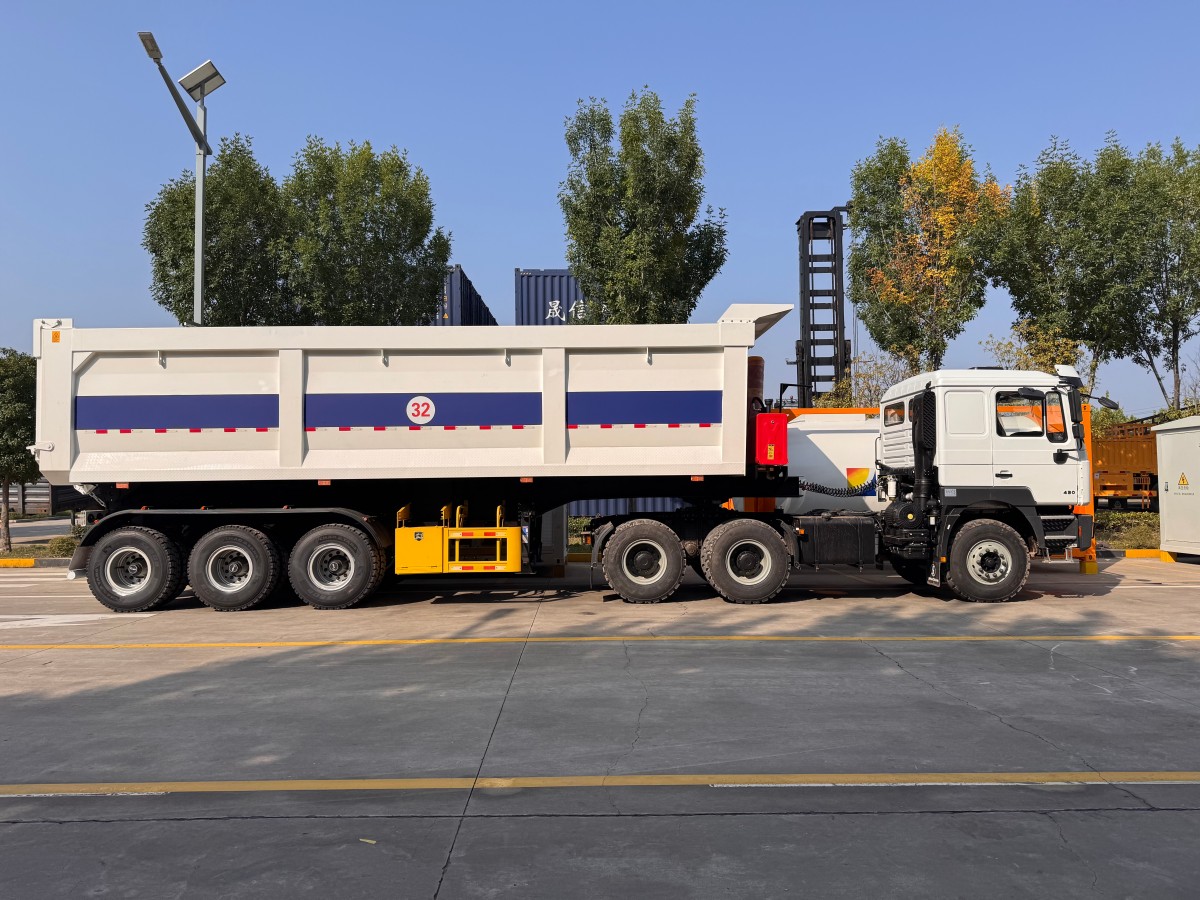
3-axle dump tipper, Hardox body |
| Palm oil, cement bags |
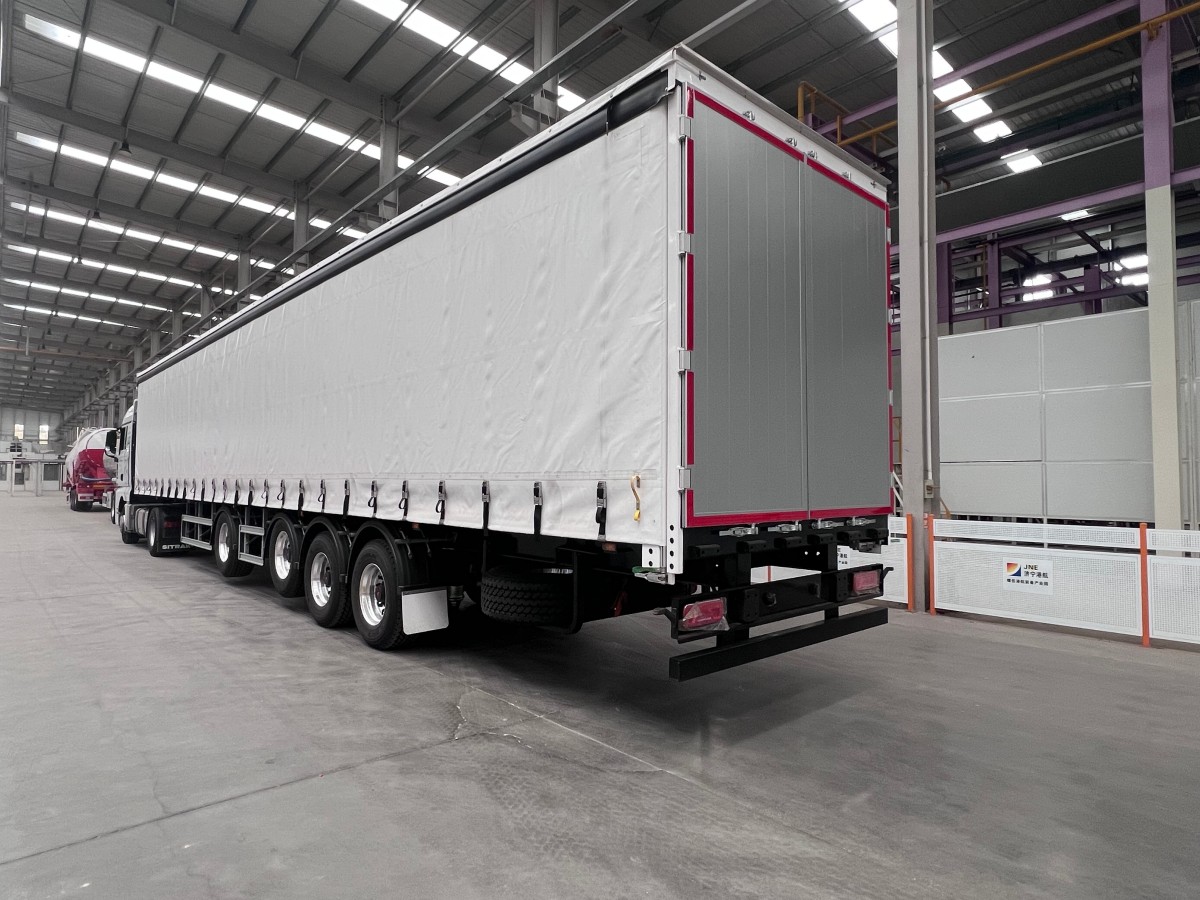
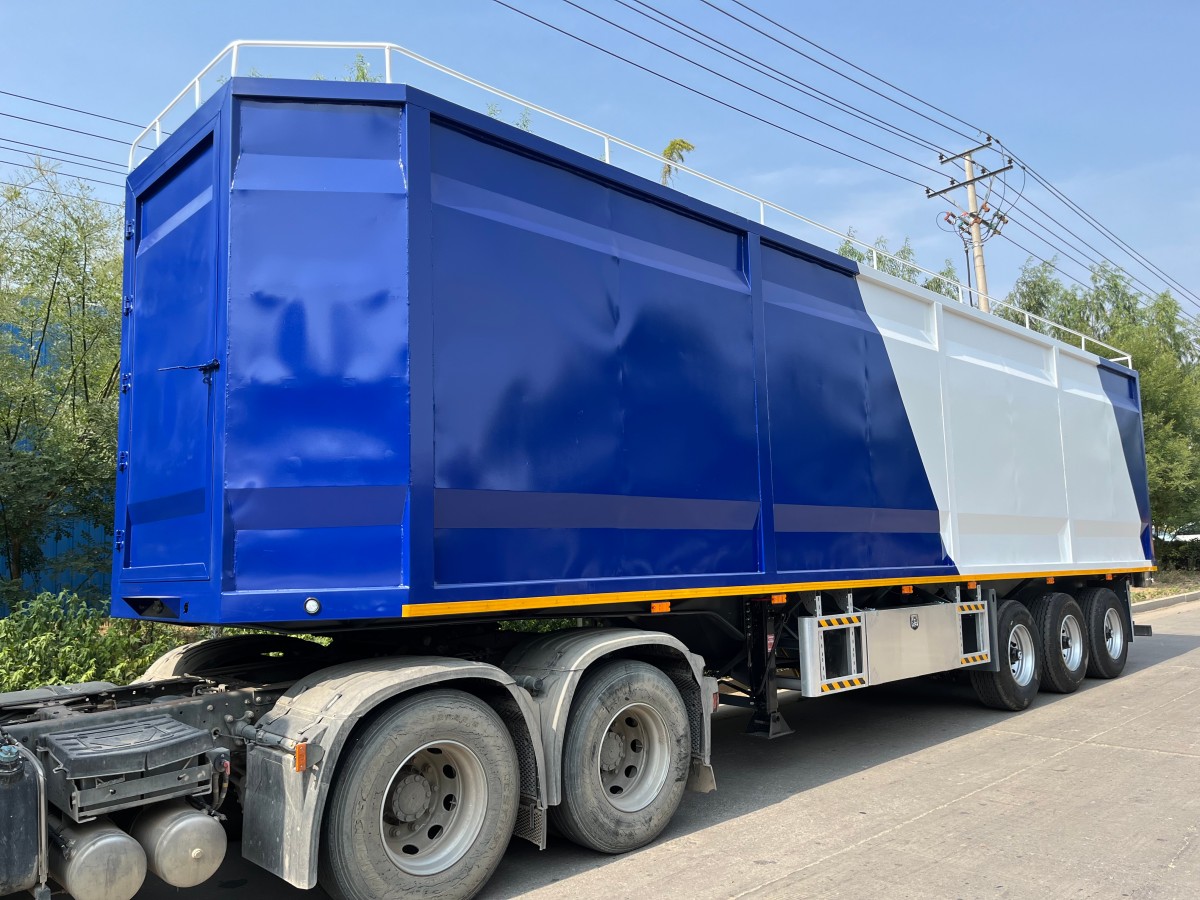
3-axle stake / side-wall |
| 40-ft ISO containers |
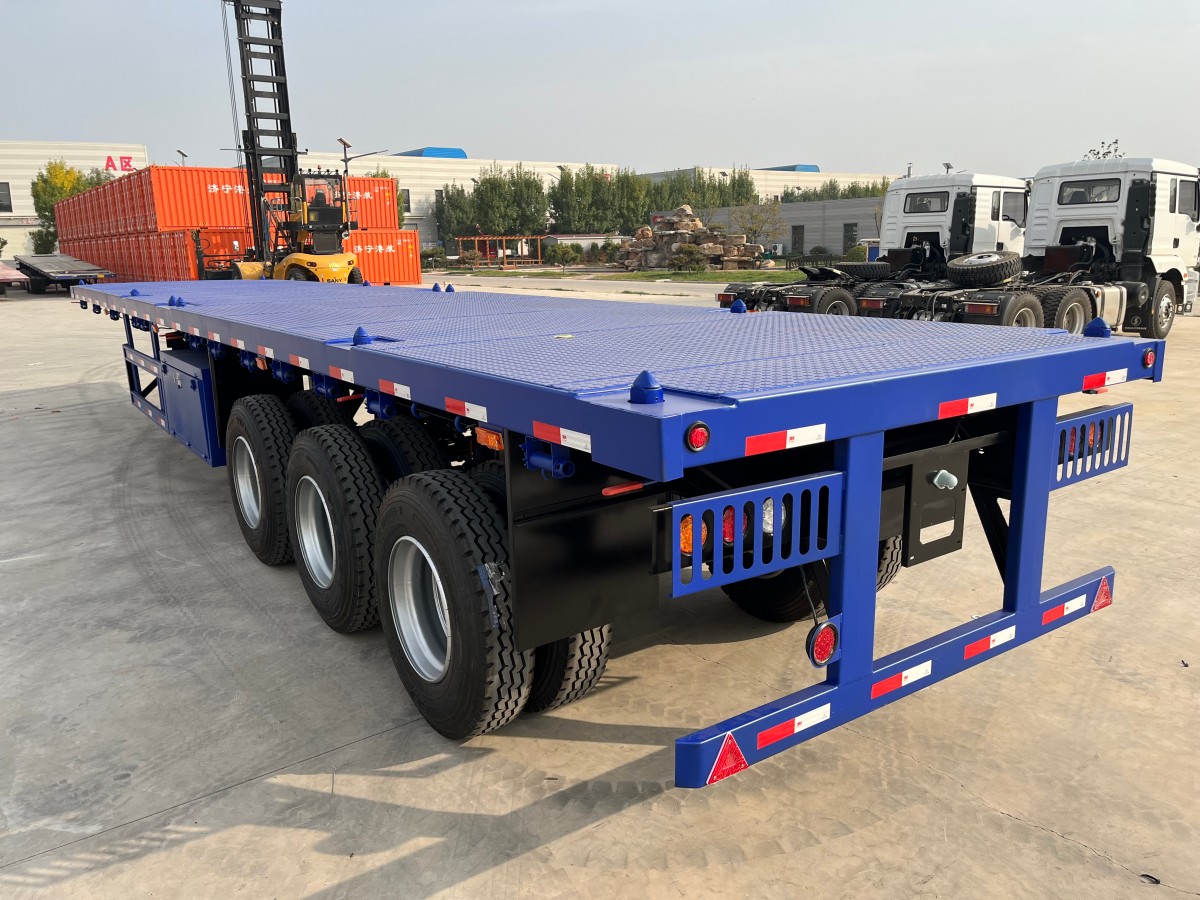
3-axle skeletal chassis |
| Heavy machinery |
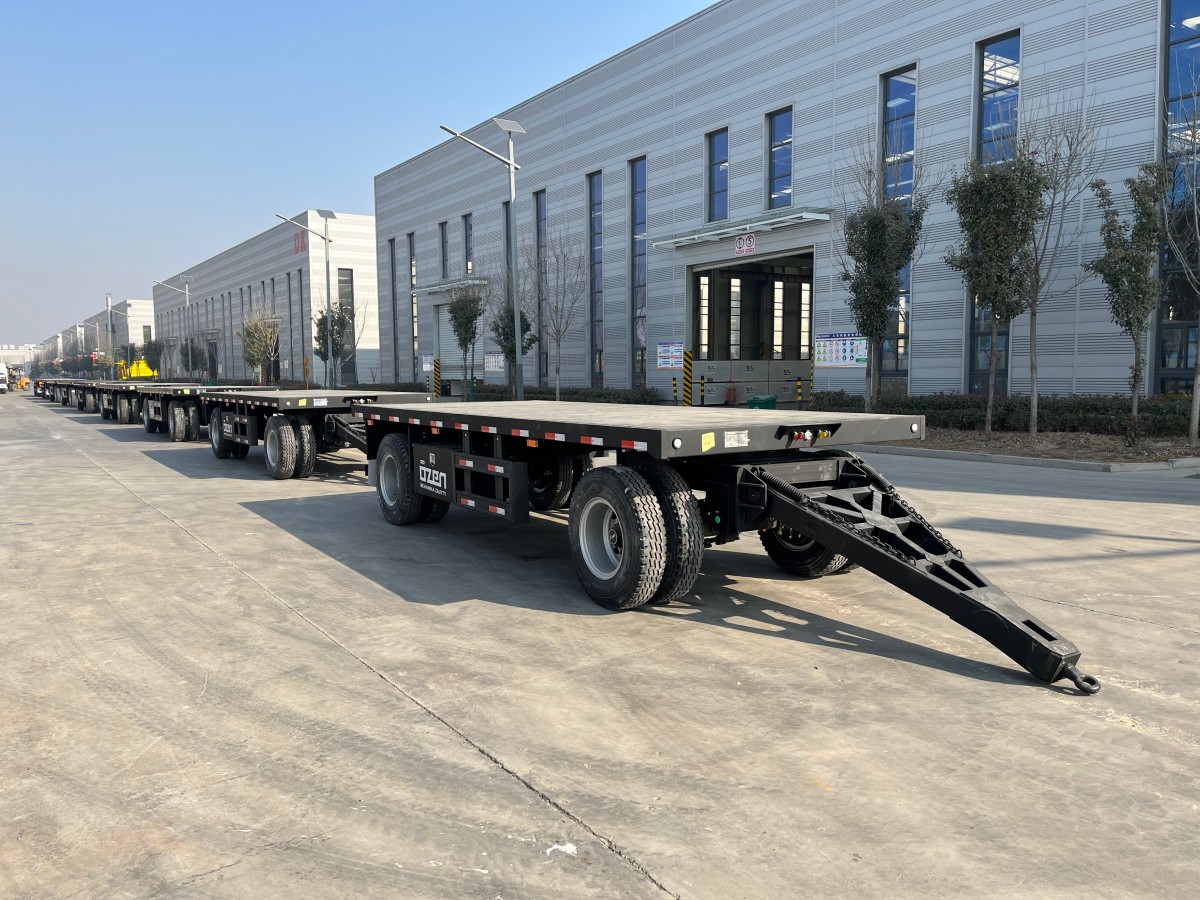
3 or 4-axle lowbed with hydraulic suspension |
| Petroleum distribution |
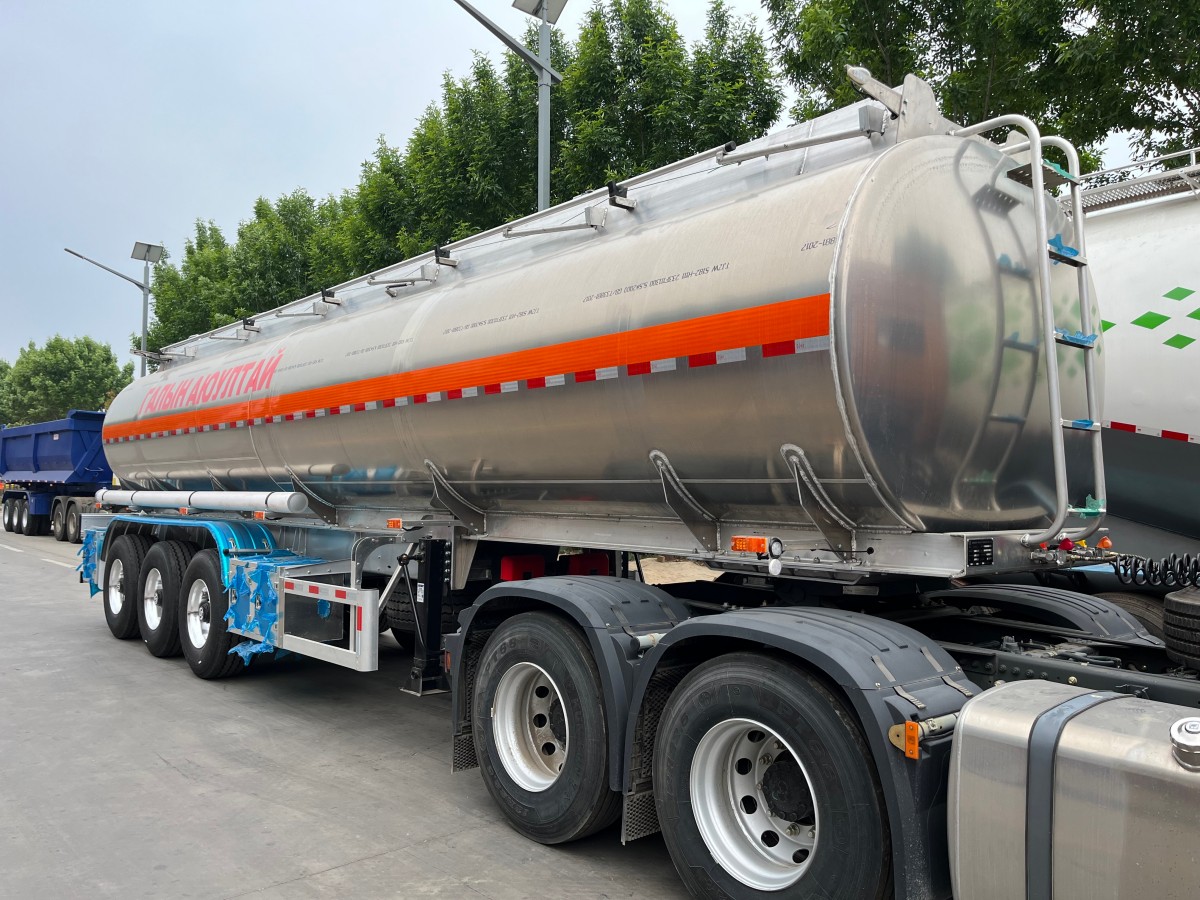
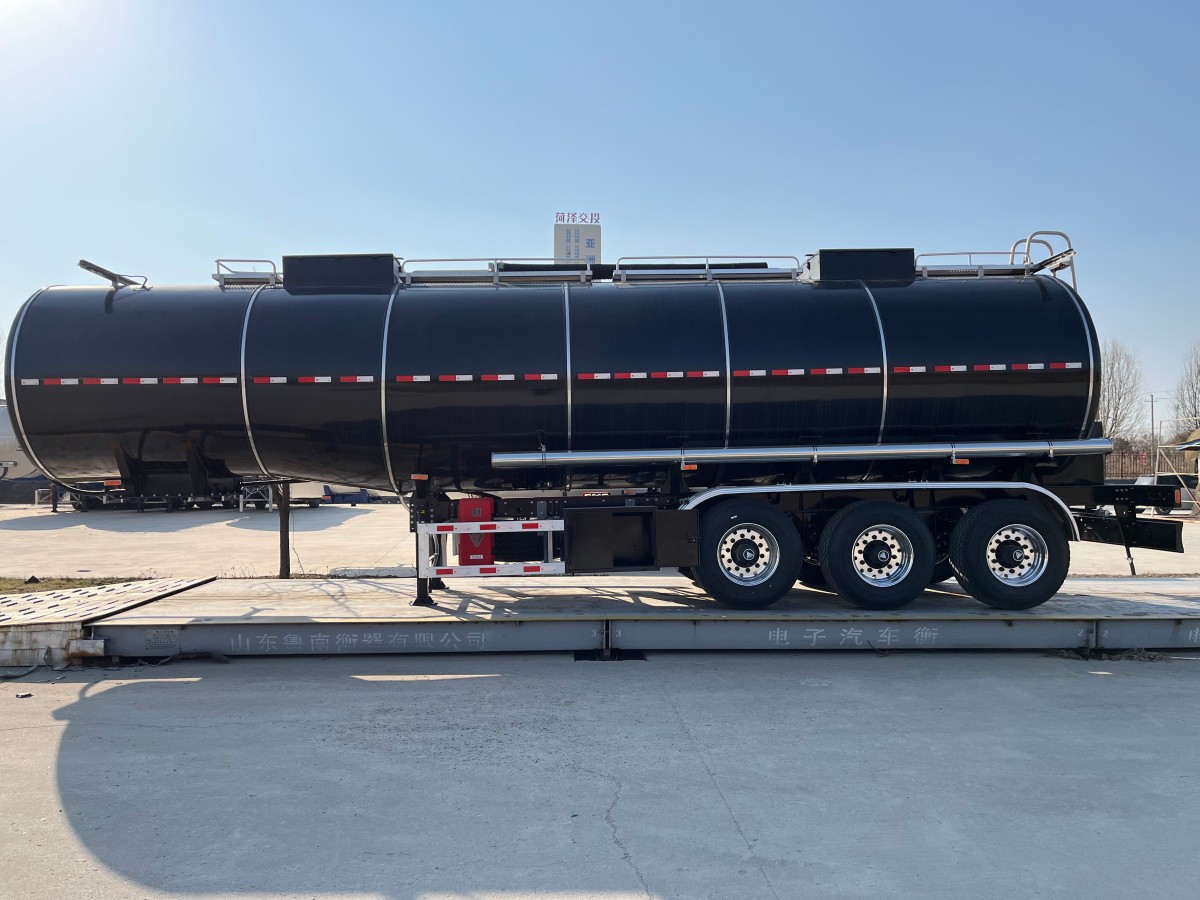
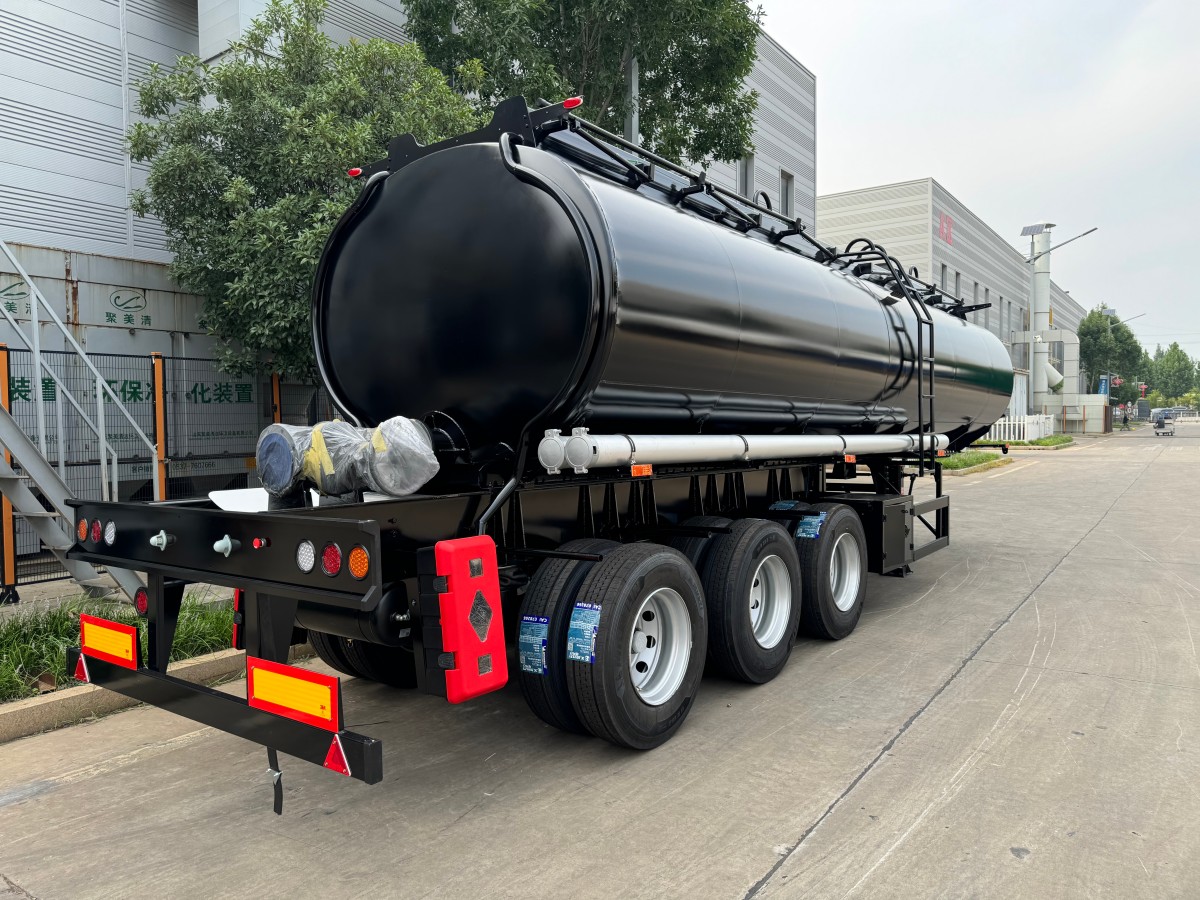
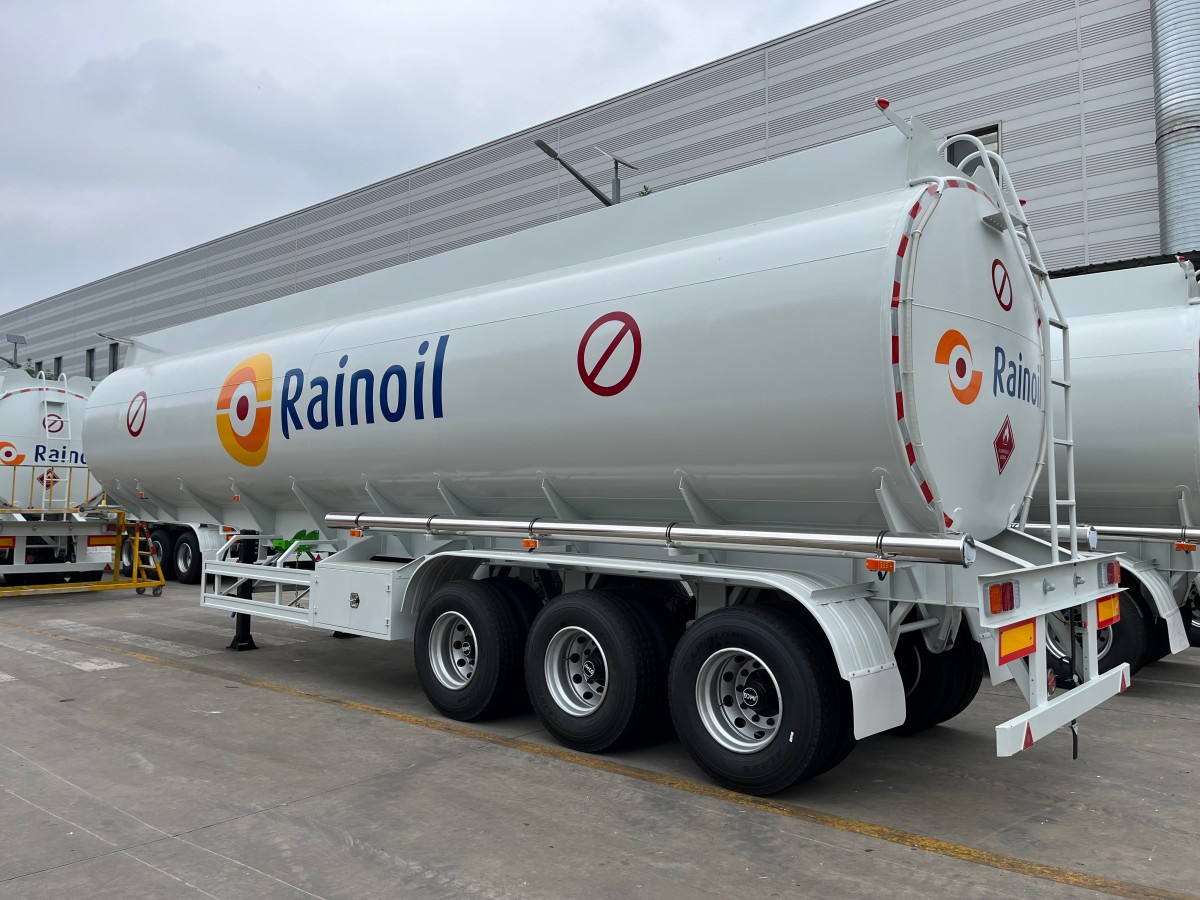
3-axle carbon steel fuel tanker |
| Bulk cement |
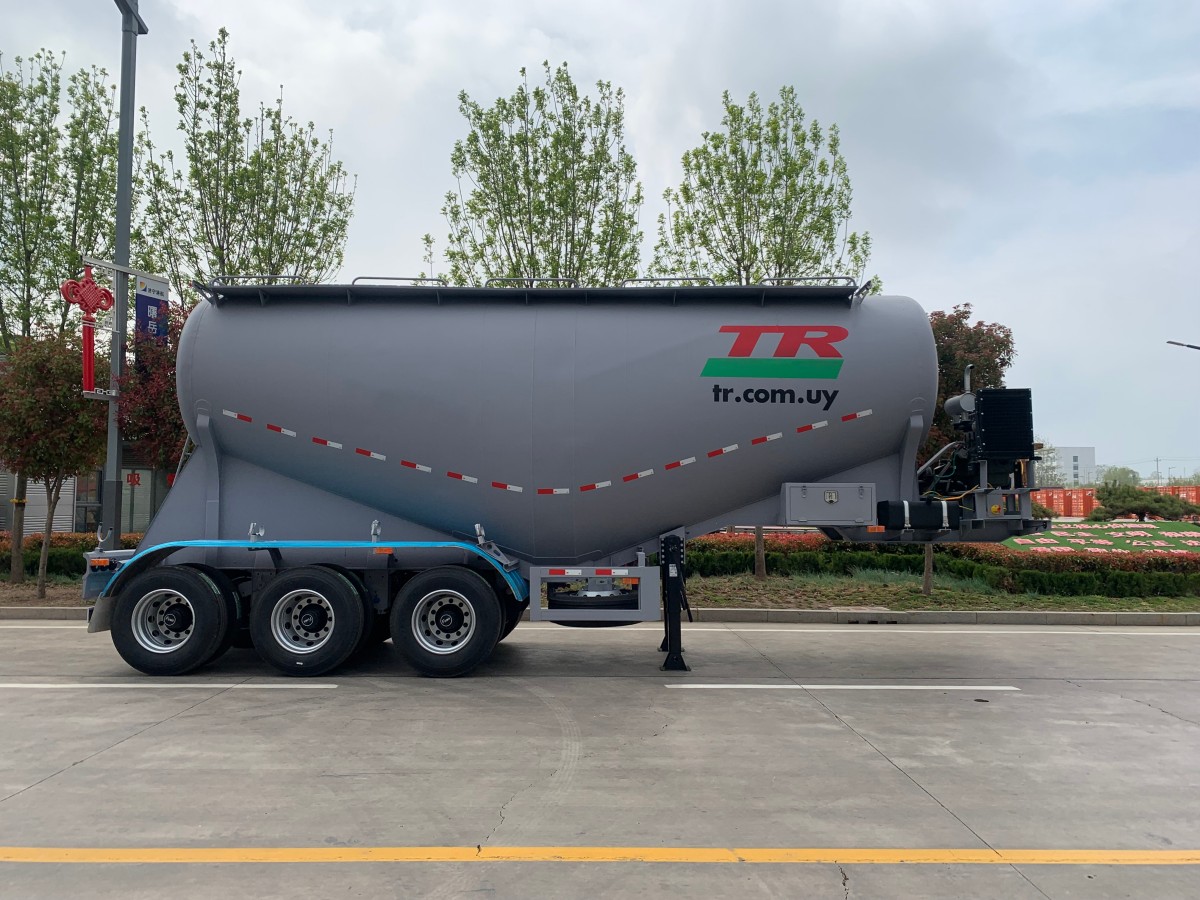
V-shape bulk cement tanker with compressor |
3. Pick Your Manufacturer (Liangshan, Shandong)
China’s Liangshan County in Shandong province produces roughly 30,000+ semi-trailer units per year. Concentration matters: it ensures:
- Multiple quality-tier options (premium, mid, economy)
- Competitive pricing through supplier density
- Spare parts supply chain mature for Nigerian cargo profile
Verification checklist for any supplier:
- WPS (welding procedure spec) on file
- ISO 9001 + DOT/ECE/3C certificates as applicable
- Visible FAI (first-article inspection) procedure
- Reference fleet projects in West Africa
4. SONCAP Certification
SONCAP (Standards Organisation of Nigeria Conformity Assessment Programme) is mandatory. Process:
- PCO (Pre-Arrival Conformity) attestation by approved verification body (e.g., Intertek, SGS, Bureau Veritas)
- Product testing against NIS standards
- SC (SONCAP Certificate) issued before shipment
- Customs clearance at destination
Lead time for SONCAP is typically 4-6 weeks. Budget ~1.5-3% of cargo value.
5. Shipping and Ports
- Main entry: Apapa (Lagos) — most semi-trailer imports
- Alternative: Onne (Port Harcourt) — for Niger Delta and oil-sector cargo
- Sea freight: RoRo China → Lagos, 35-45 days typical
- Inland transport: Lagos to Abuja via direct haul (8 hours) or to Kano via Lokoja-Abuja-Kaduna
6. Financing Options
- Preferential export financing for Chinese OEM contracts (12-24 month tenor, typically 7-9% all-in)
- Nigerian bank letters of credit for established traders
- Chinese leasing for fleet buyers (collaboration with Lagos-based fleet finance partners)
7. Avoid Common Pitfalls
- Don’t rely on FOB pricing alone — landed cost is 35-50% above FOB
- Spec welding procedure for heavy-load lowbeds; without this you invite claims
- Plan SONCAP before production starts; do not start shipment without SC
- Carry extra spare axles and kingpins in the first shipment — Nigerian spares supply is uneven
8. After-Sales in Nigeria
Lagos has multiple Chinese OEM service partners, especially in Apapa industrial zone. Confirm: 24-hour call-out, spare parts depot (FUWA, BPW, JOST, WABCO), and welding repair capability for typical frame damage.
9. Negotiation Tips
- Bulk orders (5+ units) typically secure 10-15% discount vs single-unit FOB
- Payment terms: 30% T/T deposit + 70% against B/L is standard; bigger orders sometimes allow L/C at sight
- Refuse any quote that doesn’t itemise spec — you’ll find out what’s missing on delivery
- Always request lead-time guarantee clause; penalty clauses for >2 weeks delay are typical
10. When You’re Ready
Once your spec is finalised, request a detailed quotation with: FOB price, lead time, payment terms, packing, SONCAP costs, and a clear list of inclusions / exclusions. With this, the OEM should also issue a draft sale contract.
FAQ
Do I need SONCAP for every semi-trailer imported to Nigeria?
Yes. SONCAP is the mandatory pre-shipment conformity assessment. Without it, customs won’t clear your cargo. Budget 4-6 weeks lead time and 1.5-3% of cargo value.
Which Nigerian port is best for trailer imports?
Apapa (Lagos) handles ~85% of semi-trailer imports. Onne (Port Harcourt) is preferred for Niger Delta and oil-sector destinations.
What is the typical FOB price range for a 3-axle flatbed for Nigeria?
Premium Chinese flatbeds: $18,000-25,000 FOB. Mid-tier: $13,000-17,000. Economy: $9,000-12,000.
Can I finance a trailer import from China?
Yes. Chinese OEM contracts typically qualify for export financing (12-24 month tenor, 7-9% all-in), and Nigerian bank L/Cs are common for established traders.
How do I verify a Chinese trailer manufacturer?
Request ISO 9001, references in your destination country, factory visit (or hire an inspector), and FAI procedure documentation. Independent verification bodies like Intertek and SGS offer pre-shipment factory audits.
What FOT/insurance costs should I budget?
Sea freight China → Lagos: $3,200-4,800 per unit (RoRo). Insurance: 0.3-0.5% of cargo value. SONCAP + PVoC: ~1,500 per shipment.
For project enquiries, fleet quotes, and SONCAP support, contact postmaster@trailerintl.com. This guide is published by a manufacturer exporting 5,000+ semi-trailer units annually to 40+ countries.