Brake system maintenance is one of the highest-impact service activities for any semi trailer fleet. Brake failures cause safety incidents, roadside violations, and unexpected downtime. **Operating a fleet of 5,000+ units annually** with industry-standard brake systems, we have developed maintenance practices that maximize safety, minimize downtime, and extend component life.
1. Air Brake System Overview
Most semi trailers use dual air brake systems with the following major components:
- Service brake chambers: Apply brakes during normal operation (typically 30/30 or 24/30 sizes)
- Spring brake chambers: Provide parking brake function and emergency braking when air pressure is lost
- Slack adjusters: Maintain proper brake stroke distance as drums wear
- Air compressor and dryer: Tractor-mounted, supplies clean dry air at 90-120 psi
- Reservoir tanks: Trailer-mounted air storage for parking brake function
- ABS/ESC system: Anti-lock and electronic stability control components
2. Pre-Trip Inspection (Every Trip)
Federal regulations in most jurisdictions require a pre-trip inspection. Critical items to check:
- Air pressure build: System should reach 90+ psi within 45-60 seconds
- Brake system pressure: Application pressure should be within 5 psi of reservoir pressure
- Spring brake function: Verify spring brakes apply when air pressure drops below 45 psi
- Hoses and couplings: No cuts, abrasion, or leaks; glad hands secure properly
- Slack adjuster stroke: 1-2 inches at 90 psi; beyond 2 inches indicates adjustment needed
3. Periodic Maintenance Schedule
Operations with 30,000+ units have refined maintenance intervals based on actual wear data:
Every 3 Months (or 25,000 km)
- Visually inspect brake chambers for damage or corrosion
- Check slack adjuster function and stroke distance
- Inspect air system for leaks (soap solution test)
- Verify ABS system self-test function
Every 6 Months (or 50,000 km)
- Perform detailed brake measurement on each wheel end
- Inspect brake drum wear (max diameter stamped on drum)
- Check brake lining wear (replace when below 4mm thickness)
- Test brake adjustment function
- Check ABS sensor and tone ring condition
Annually (or 100,000 km)
- Remove brake drums for full inspection
- Replace brake linings if below 3mm
- Inspect and grease slack adjusters
- Replace brake chamber diaphragms if showing wear
- Inspect brake roller and camshaft bushings
4. Slack Adjuster Adjustment
Slack adjusters maintain proper brake stroke as drums and linings wear. Improper adjustment is the most common brake maintenance issue across 30,000+ unit fleets.
Manual Adjustment Procedure
- Apply parking brake and chock wheels
- Locate adjustment bolt on slack adjuster
- Turn bolt clockwise until brake is fully applied
- Back off 1/2 to 3/4 turn (or until wheel turns freely when rotated by hand)
- Check stroke distance at 90 psi: should be 1-1.5 inches
Automatic Slack Adjusters
Modern semi trailers use automatic slack adjusters that self-adjust during normal braking. Benefits include:
- Reduced maintenance frequency
- Consistent brake performance
- Lower total cost of ownership
- Reduced roadside violations
5. Drum vs Disc Brakes
The semi trailer industry has shifted from drum to disc brakes over the past decade. Each system has specific maintenance requirements.
Drum Brake Maintenance
- Replace linings when below 3-4mm thickness
- Check drum diameter against max stamped value
- Inspect for heat cracks or hot spots
- Replace drum if worn beyond max or scored
Disc Brake Maintenance
- Measure pad thickness; replace when below 3mm
- Inspect rotor wear and parallelism
- Check caliper slide pins for free movement
- Replace seals if any oil contamination found
6. ABS and Electronic Stability Systems
Modern semi trailers are equipped with ABS, and increasingly with Electronic Stability Control (ESC). These systems require specific maintenance:
ABS Diagnostic
- Most ABS systems self-test at startup; check for warning lights
- Use manufacturer diagnostic tool for detailed troubleshooting
- Check tone ring condition (teeth intact, clean of debris)
- Inspect sensor wires for damage or corrosion
- Verify sensor gap (typically 0.5-1.0 mm)
ESC Calibration
ESC systems require periodic calibration by qualified technicians. This typically involves:
- Yaw rate sensor calibration
- Lateral acceleration sensor verification
- Steering angle sensor zero point
7. Common Brake System Failures
From maintenance records across 30,000+ unit operations, the most common failures are:
Brake Fade
Loss of braking effectiveness due to heat buildup, typically from excessive brake usage. Prevention: use engine braking to control speed, avoid riding brakes.
Seized Slack Adjusters
Lack of lubrication causes adjusters to seize, leading to one-sided braking. Prevention: annual lubrication and stroke check.
Air Leaks
Usually from fittings, hoses, or chamber diaphragms. Prevention: regular visual inspection and pressure testing.
8. Brake System Specifications by Trailer Type
Brake system requirements vary by trailer type and use case:
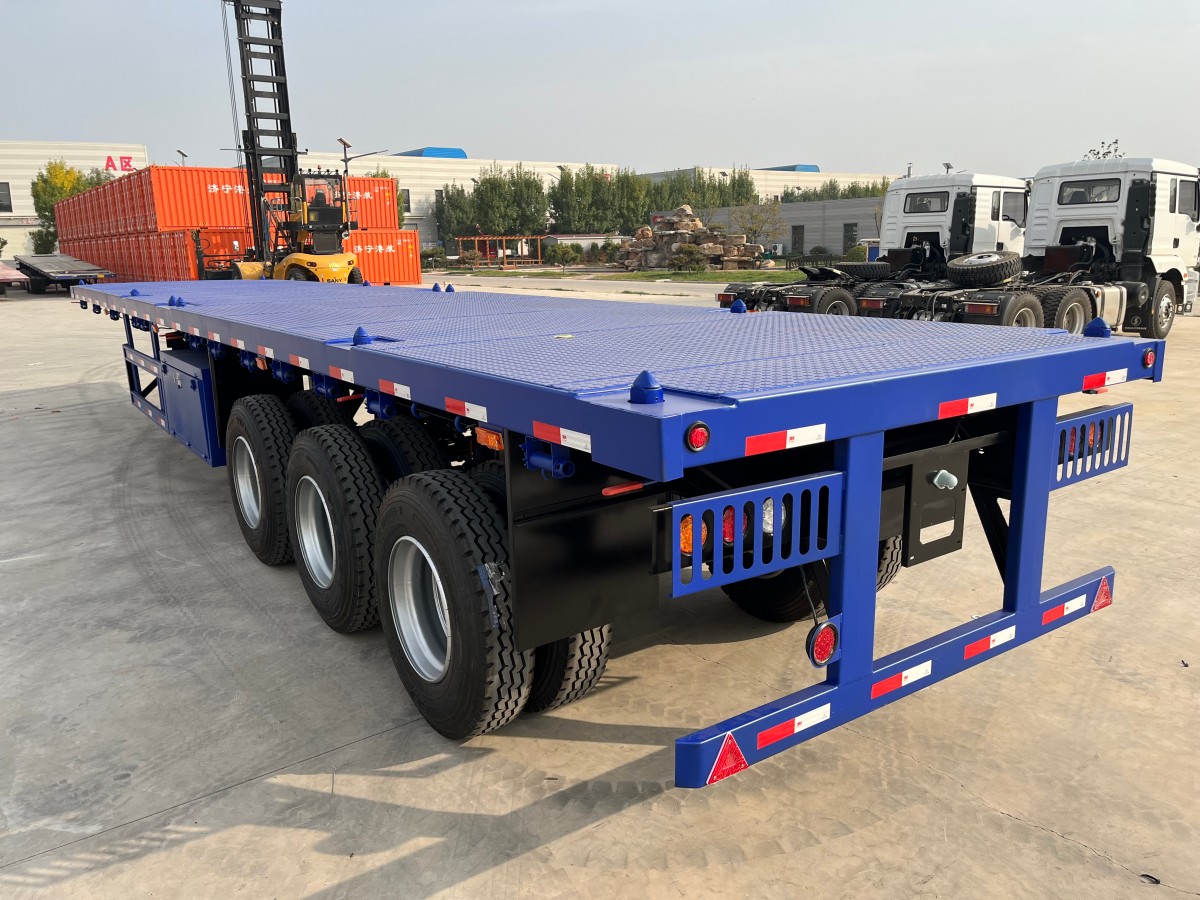
Flatbed Trailers
- Dual air brakes standard
- ABS required in most jurisdictions
- Drum or disc brakes both common
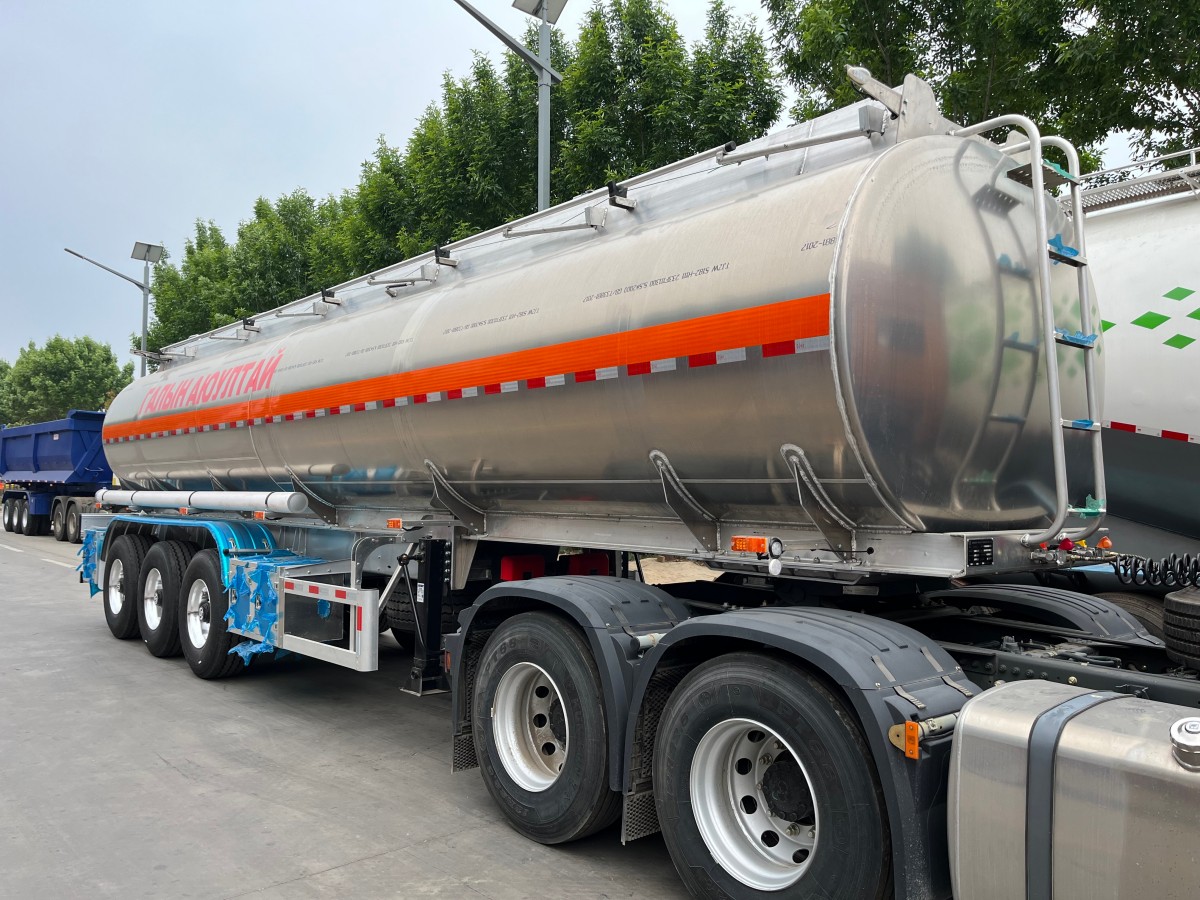
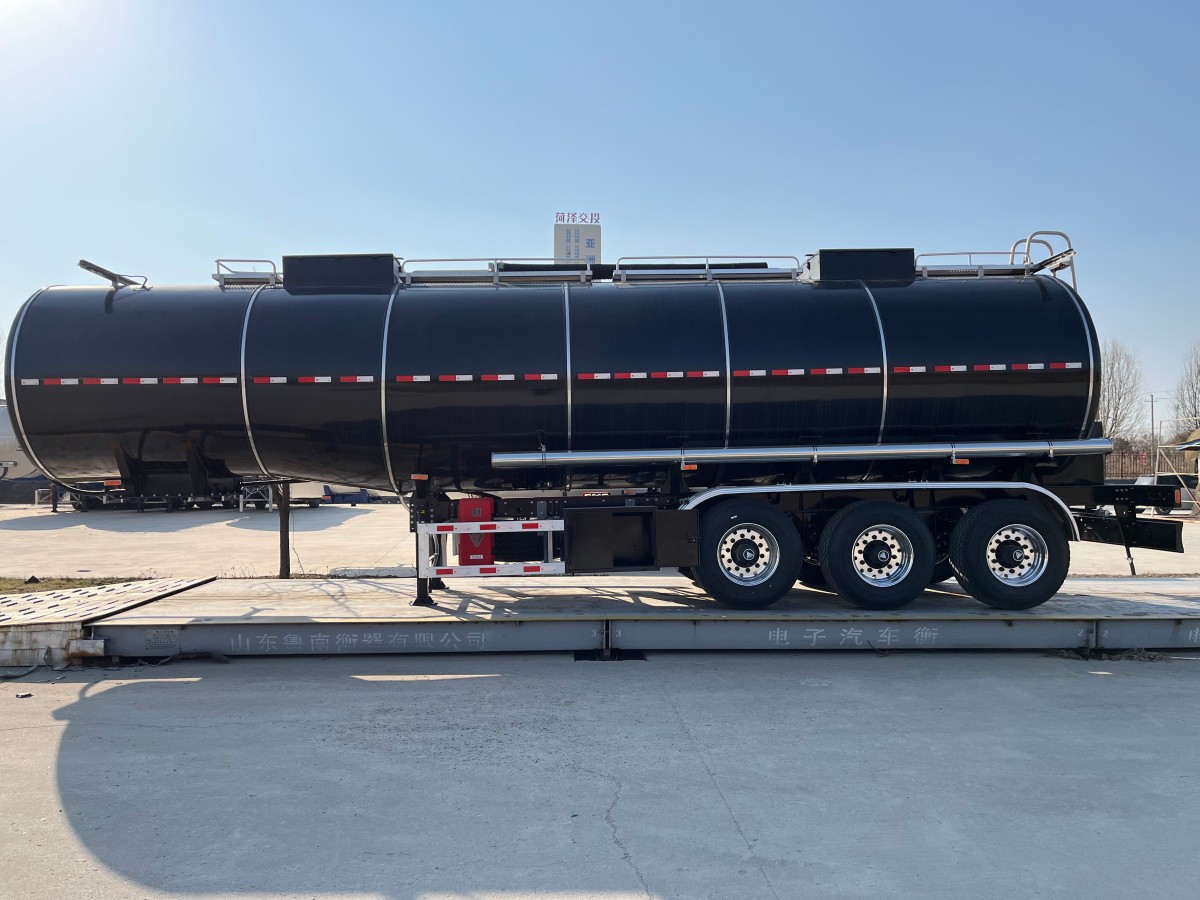
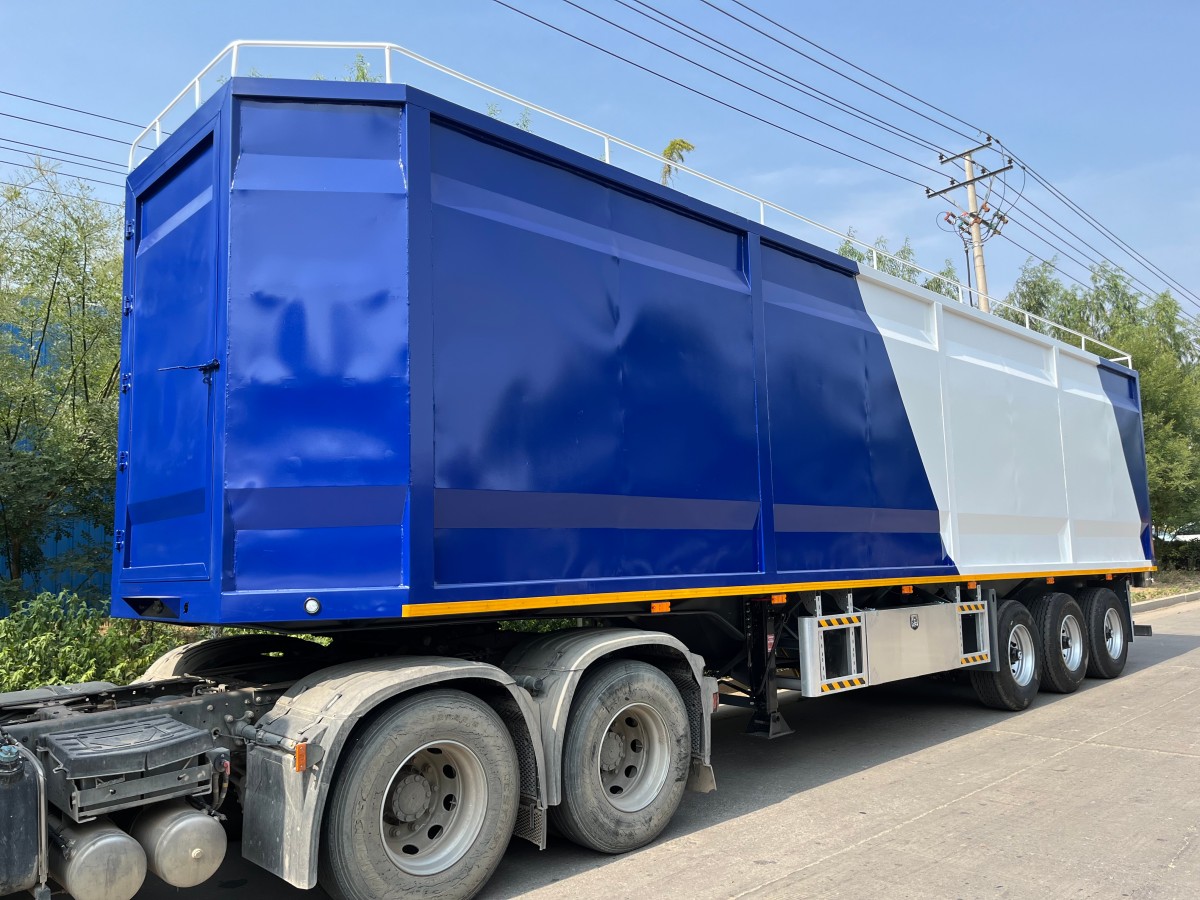
Tank Trailers
- Dual air brakes with spring parking brakes
- ABS required
- Drum brakes most common (better heat dissipation for heavy loads)
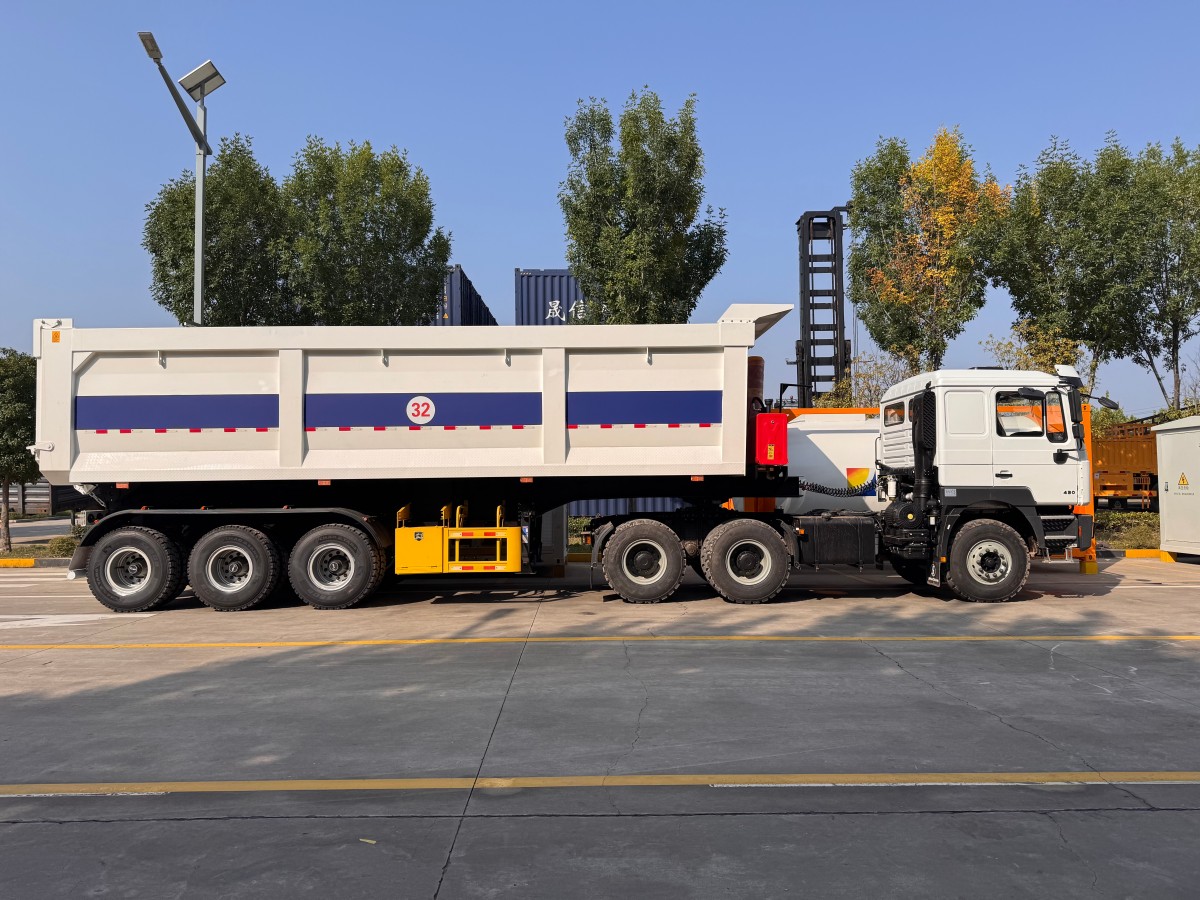
Dump Trailers
- Dual air brakes standard
- ABS required for loaded operation
- Disc brakes gaining adoption (better fade resistance)
9. Spare Parts and Inventory
Fleet operations with 30,000+ units typically maintain the following spare parts inventory:
- Brake chambers (each type used)
- Slack adjusters (each type used)
- Brake linings or pads
- Air dryer cartridges
- ABS sensors and tone rings
- Brake drums or rotors (for rotation)
10. Conclusion
Effective brake system maintenance is essential for safety, regulatory compliance, and operational efficiency. Operations handling 5,000+ units annually have refined their maintenance practices over years of fleet operation. The investment in proper maintenance pays back through reduced incidents, longer component life, and fewer roadside violations.
For semi trailer brake system components and complete trailer specifications, our company supplies complete trailers with BPW or FUWA brake systems to 40+ countries, backed by over 5,000 units of annual production experience.
Related Resources