Suspension choice is one of the most important spec decisions for any semi-trailer. Mechanical (leaf spring) and air suspension both have wide use across global fleets, but they differ materially in cost, ride quality, and operating profile.
1. Suspension Types
- Mechanical (leaf spring): steel leaf springs on a fixed axle. Industry standard for most highway applications.
- Air suspension: pneumatic bellows replacing springs. Common for premium highway and high-spec applications.
- Hydraulic suspension: hydraulic cylinders for load equalisation. Used in mining and heavy-lift applications.
2. Capital Cost Comparison
| Suspension |
Cost (3-axle trailer) |
| Mechanical leaf spring |
baseline |
| Air suspension |
+ $3,000-5,000 |
| Hydraulic suspension |
+ $6,000-9,000 |
3. Ride Quality
Air suspension offers dramatically better ride quality:
- Cargo protection: lower vibration and shock loading on cargo
- Driver comfort: smoother ride, less fatigue
- Self-levelling: maintains constant deck height irrespective of load
4. Payload
Mechanical suspensions are lighter:
- Mechanical 3-axle: ~600-800 kg total suspension weight
- Air 3-axle: ~400-500 kg total suspension weight (but with compressor and tank)
- Net effect: air saves about 50-150 kg per trailer
5. Cargo Protection
Air suspension substantially reduces cargo damage in:
- Glass and fragile cargo
- Electronics and instruments
- Pharmaceutical cold-chain (less temperature cycling)
6. Operating Cost and Maintenance
| Item |
Mechanical |
Air |
| Bushing life |
200,000-300,000 km |
250,000-400,000 km |
| Air spring life |
— |
5-7 years |
| Compressor maintenance |
— |
$300-500 every 2-3 years
| — |
| Annual maintenance cost |
$200-400 |
$400-700 |
7. Use Case Selection
Mechanical Is Better For:
- Aggregate, mining, and rough-road operations
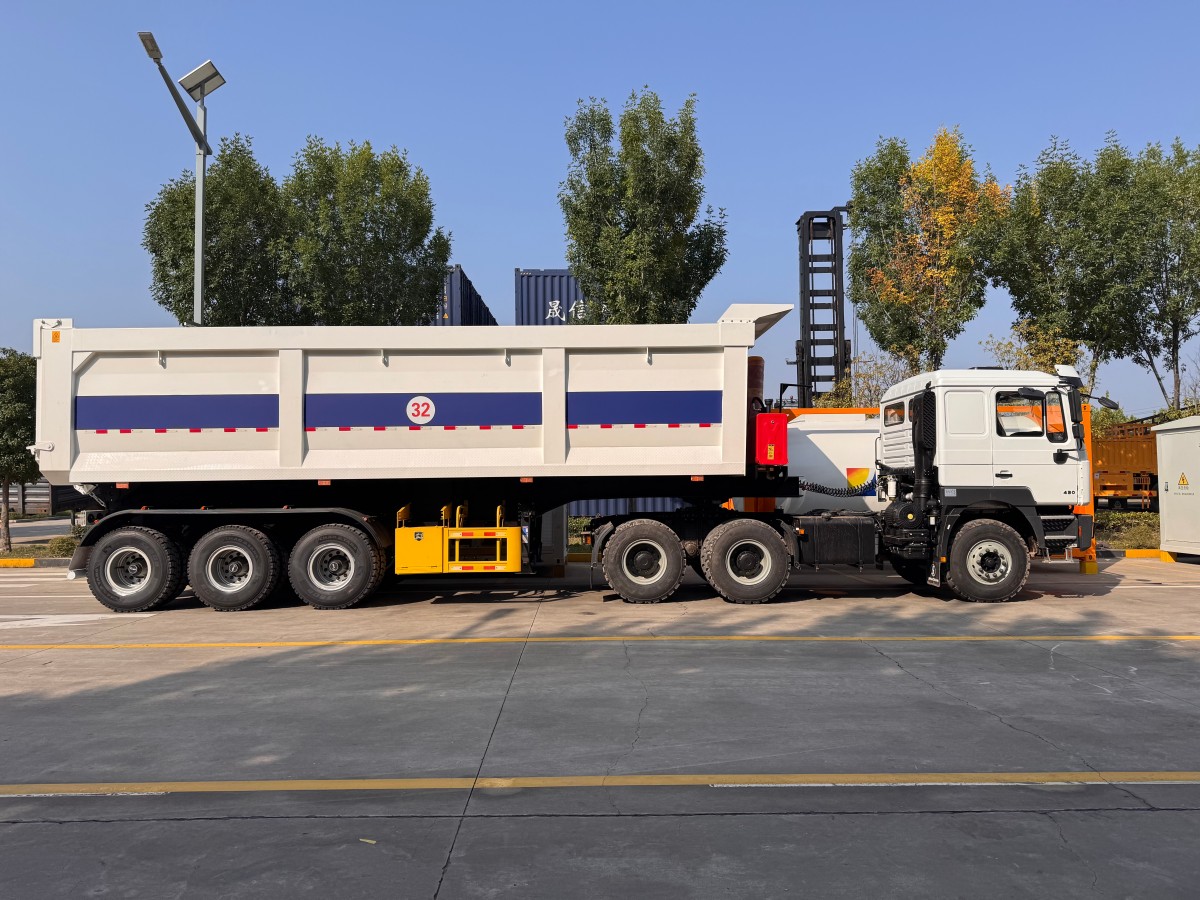
- Construction tippers and dump trailers
- Mining lowbeds (where shock loading is extreme)
- Off-road operations
- Capital cost-sensitive fleets
Air Suspension Is Better For:
- Refrigerated vans (less vibration, smoother temperature)
- Tanker operations (less cargo surge)
- Long-haul highway fleet operations
- Cargo requiring minimal vibration (electronics, glass)
- Premium fleet operations
8. Geographic Preferences
- North America: predominantly air on highway tractors and trailers
- Europe: predominantly air on premium operations
- Africa: predominantly mechanical (cost + rough road)
- Asia: mix, depends on cargo
- Australia: predominantly mechanical on mining/heavy-duty
9. Operating Profile Impact
Air suspension’s self-levelling capability helps in:
- Loading dock alignment
- Container-handling efficiency
- Multi-leg operations with consistent deck height
10. Decision Framework
- If you operate refrigerated cargo, food-grade chemicals, or fragile items → air
- If you operate aggregate, construction, or off-road → mechanical
- If you operate highway long-haul at premium service level → air
- If you operate heavy-haul mining or quarry → mechanical or hydraulic
FAQ
Is air suspension worth the cost premium?
For highway long-haul, refrigerated, and fragile-cargo operations, yes — typically 2-3 year payback through reduced cargo damage and better fuel efficiency.
How long do air springs last?
5-7 years typical life. Replacements cost $200-500 per spring. Total 4-axle replacement: $3,000-5,000.
Can a trailer be converted from mechanical to air?
Yes, but expensive ($5,000-10,000 per trailer) and not common. New spec at PO is more cost-effective.
Is mechanical suspension obsolete?
No. Mechanical remains the standard for construction, mining, and rough-road operations worldwide. Air suspension is the premium upgrade, not a replacement.
For spec guidance, fleet quotes, and tender support, contact postmaster@trailerintl.com. This guide is published by a manufacturer exporting 5,000+ semi-trailer units annually to 40+ countries.