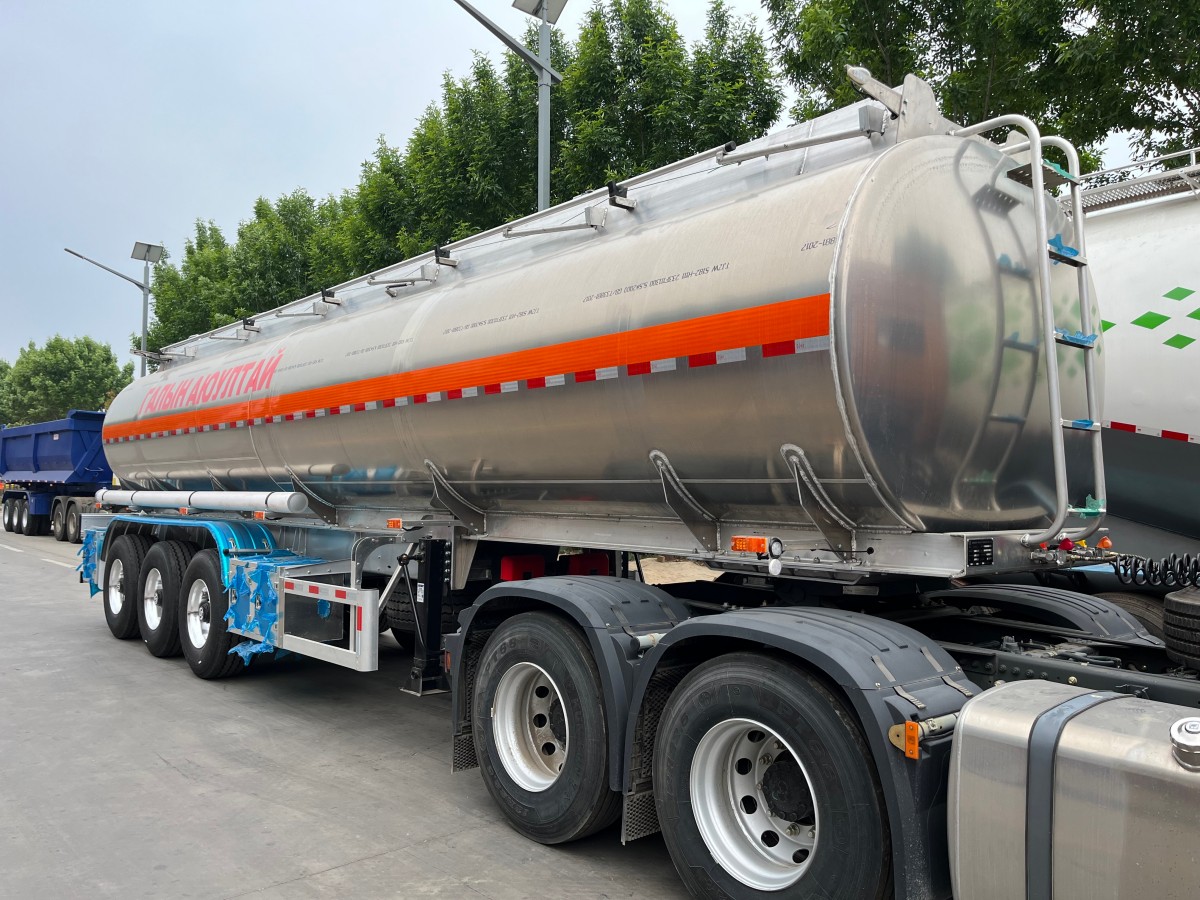
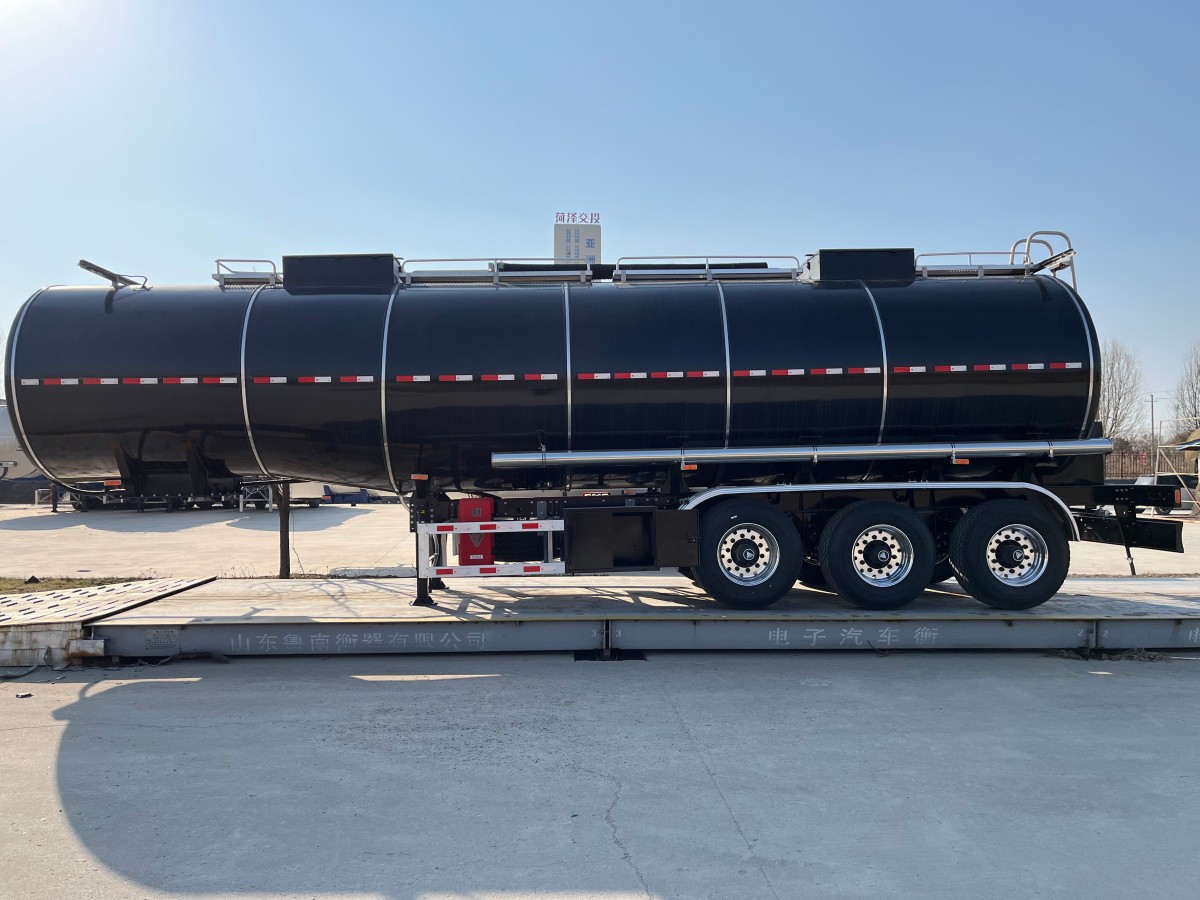
The choice between carbon steel, aluminum alloy, and stainless steel is the single most consequential spec decision for a fuel tank trailer. Each material has a different operating-cost profile that drives fleet economics over 10+ years. This guide compares them across the dimensions that matter for procurement.
1. Material Properties
| Property |
Carbon Steel |
Aluminum Alloy |
Stainless Steel (304/316) |
| Density |
7.85 g/cm³ |
2.7 g/cm³ |
7.9 g/cm³ |
| Tank weight (45,000L, 4 compartments) |
~6,500 kg |
~4,500 kg |
~6,800 kg |
| Cargo compatibility |
Petrol, diesel, kerosene |
Petrol, diesel, kerosene (limited chemicals) |
Petrol, diesel, chemicals, food oils |
| Corrosion resistance |
Low (requires coating) |
Medium (oxide layer) |
High (stainless passive layer) |
| Repair difficulty |
Easy (weldable) |
Harder (specialised welding) |
Hardest (specialised SS welding) |
| Cost per tank shell |
1.0x baseline |
1.5-1.7x |
2.0-2.5x |
2. Capital Cost Comparison
For a 3-axle 45,000 L fuel tanker (4 compartments, BPW axles):
- Carbon steel: ~$38,000 FOB
- Aluminum alloy: ~$50,000-55,000 FOB
- Stainless steel: ~$65,000-75,000 FOB
3. Operating Cost: Tare Weight Matters
Aluminum saves about 2 tons of tare weight vs carbon steel. Over typical fleet operation:
- Payload gain: 2 tons per trip
- For 40,000 km/year at 1,000 trips/year: 80,000 ton-km of additional cargo revenue
- At $0.05/ton-km: $4,000/year extra revenue per unit
- Capital cost premium: ~$12,000-17,000
- Payback period: 3-4 years for high-utilisation fleets
4. Corrosion and Service Life
- Carbon steel: 10-15 year life with regular paint maintenance. Liner inspections every 2-3 years.
- Aluminum alloy: 15-20 year life. Inspections every 3-5 years.
- Stainless steel: 20-25 year life. Inspections every 5-7 years.
5. Cargo Compatibility
- Petrol, diesel, kerosene: all three materials work. Carbon is fine for non-corrosive duties.
- Chemicals (acids, caustics): stainless required. Some aluminium alloys for specific chemicals.
- Food oils, palm oil: stainless mandatory for food-grade compliance.
- Methanol, ethanol: stainless preferred (aluminium galvanic corrosion risk with alcohol blends).
6. Repair and Welding
This is where carbon steel wins decisively:
- Carbon steel: standard welding equipment, virtually any workshop
- Aluminum: MIG/TIG welding with argon, specialised shops only
- Stainless steel: similar to aluminum but with specific 304/316 filler requirements
For Africa or remote operations, carbon steel offers much better field-repair practicality.
7. Inspection and Cleaning
- Carbon steel: requires regular interior cleaning to prevent rust; risk of contamination
- Aluminum: easier to clean; oxide layer self-protects
- Stainless: best for cleanliness; standard for food-grade operations
8. When to Choose Each Material
Choose Carbon Steel If:
- Cargo is diesel, petrol, or kerosene
- Field repair is important
- Capital cost is constrained
- Lifecycle is 10-15 years with regular painting
Choose Aluminum If:
- High-mileage long-haul fleet
- Payload gain is worth the capital premium
- Standard cargo (no acids, no food)
- 15-20 year lifecycle target
Choose Stainless Steel If:
- Cargo is chemicals, food oils, or alcohol
- 20+ year lifecycle is critical
- Capital cost is not binding
- Cleanliness and hygiene are regulatory requirements
9. Total Cost of Ownership (TCO) Over 12 Years
For a single 45,000 L tanker operating 60,000 km/year, 1,500 trips/year:
| Cost Component |
Carbon Steel |
Aluminum |
Stainless |
| Capital cost (FOB) |
$38,000 |
$52,000 |
$70,000 |
| Maintenance over 12y |
$45,000 |
$32,000 |
$22,000 |
| Body repainting over 12y |
$8,000 |
$3,000 |
$0 |
| Payload gain @ $0.05/ton-km |
— |
$48,000 (revenue) |
— |
| Net 12-year cost |
$91,000 |
$39,000 (net) |
$92,000 |
10. Decision Framework
Most buyers in 2026 choose based on a simple rule:
- Standard fuel distribution (long-haul, high mileage): aluminum
- Mixed diesel and chemicals: stainless
- Mid-tier fleets, modest mileage, and field-repair priority: carbon steel
FAQ
Is carbon steel safe for fuel transport?
Yes. Carbon steel tanks with internal coating are standard for diesel and petrol. The coating protects against mild corrosion; periodic inspection is required.
How much lighter is aluminum vs carbon steel?
~30% lighter for the same tank volume. A 45,000 L carbon steel tank weighs ~6,500 kg; aluminum ~4,500 kg. Tare weight saving is ~2 tons per tank.
Can a carbon steel tanker be retrofitted to stainless?
No. The tank shell is welded into the chassis. Retrofitting is more expensive than buying new.
What is the most cost-effective material for fuel tanker?
Depends on mileage. Below 30,000 km/year, carbon steel wins. Above 50,000 km/year, aluminum beats carbon on TCO over 8+ years.
For material selection guidance, fleet quotes, and tender support, contact sales@fotonintl.com. This guide is published by a manufacturer exporting 30,000+ semi-trailer units annually to 40+ countries.