DRC is a large, complex semi-trailer import market, with most cargo flowing through Dar es Salaam port and overland via Tanzania. The mining industry (copper belt, cobalt) is the largest single source of demand. This guide covers the full procurement journey.
1. Demand Profile
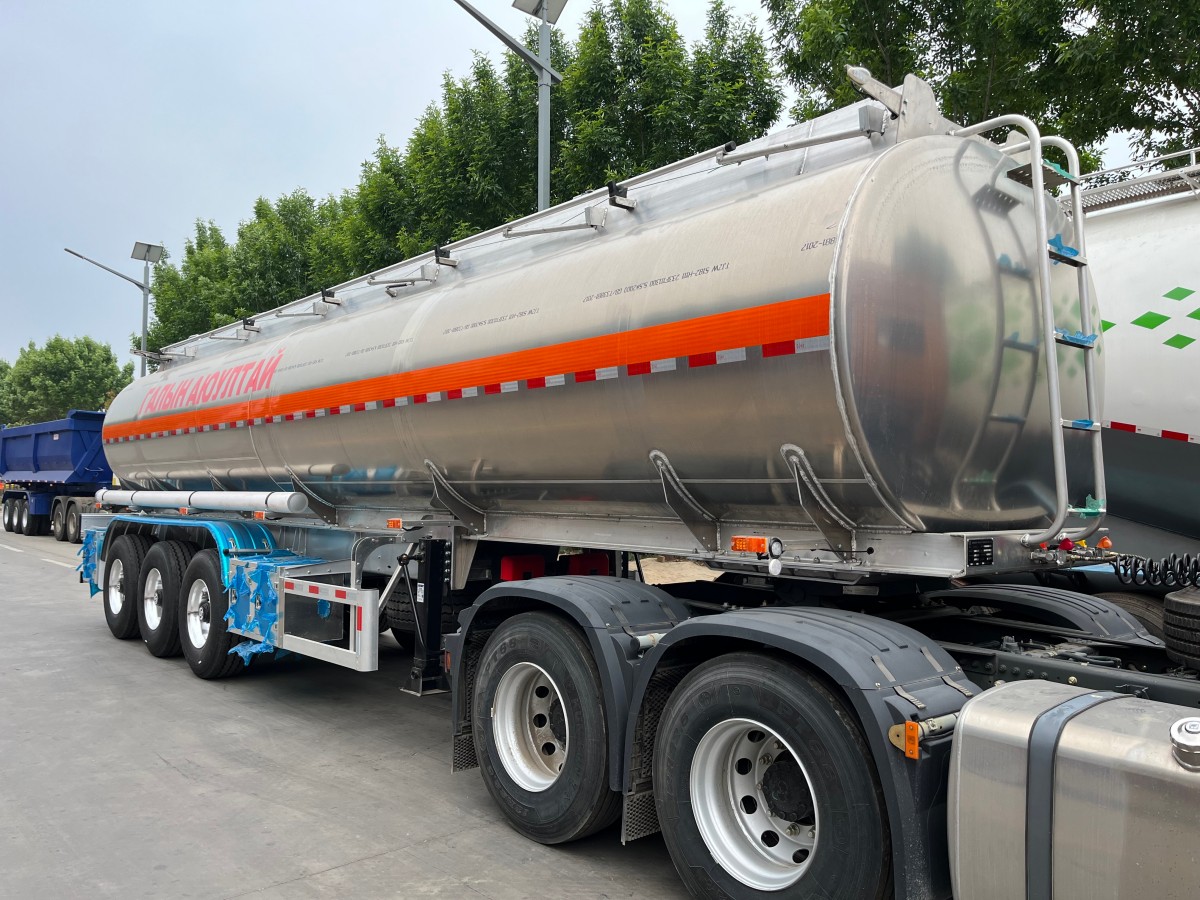
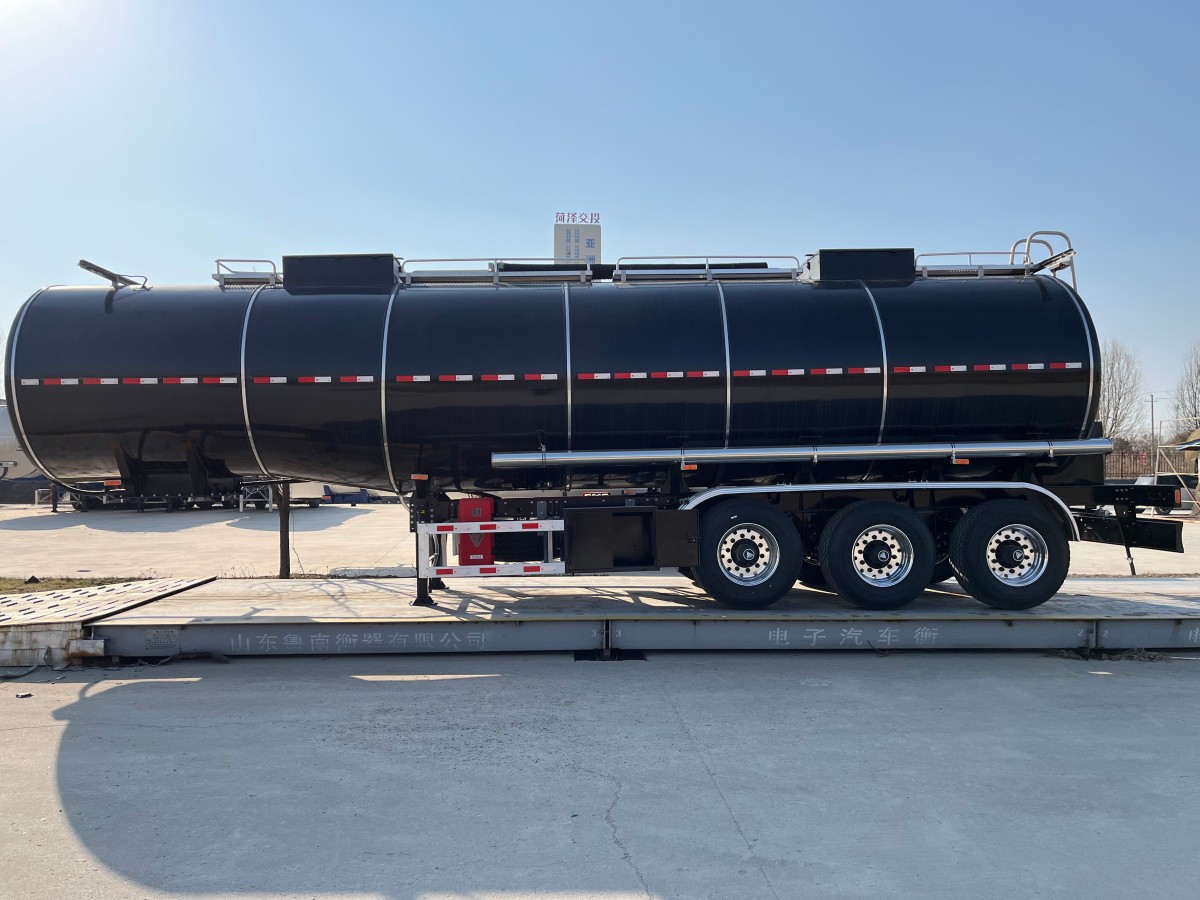
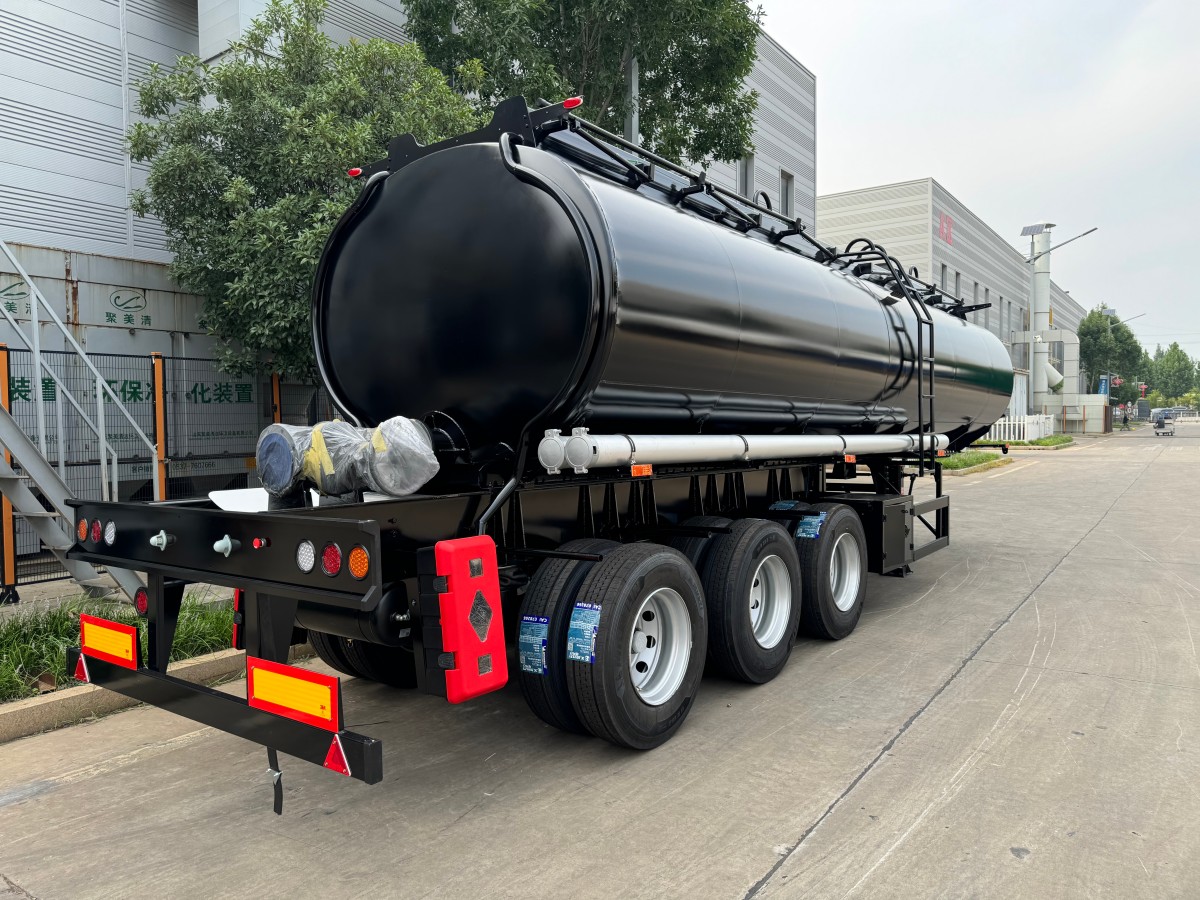
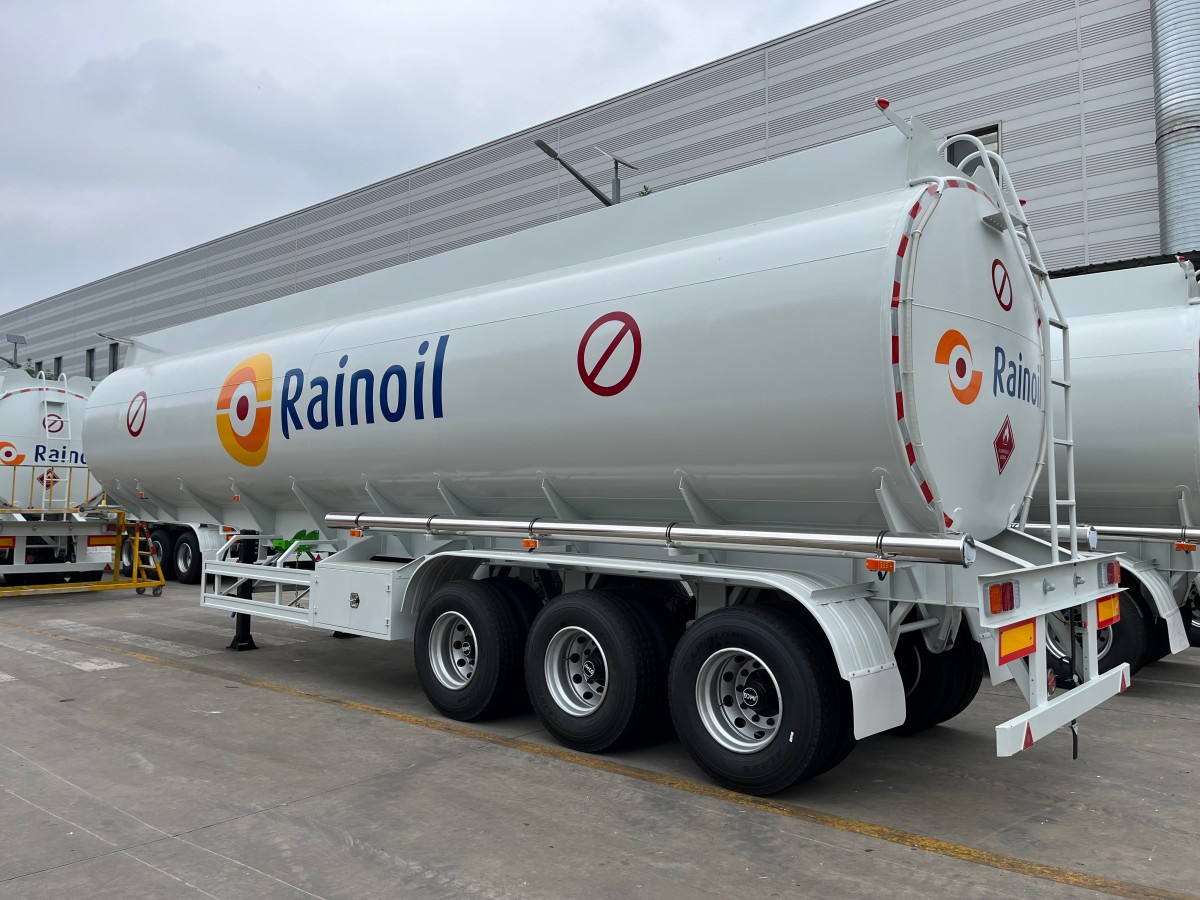
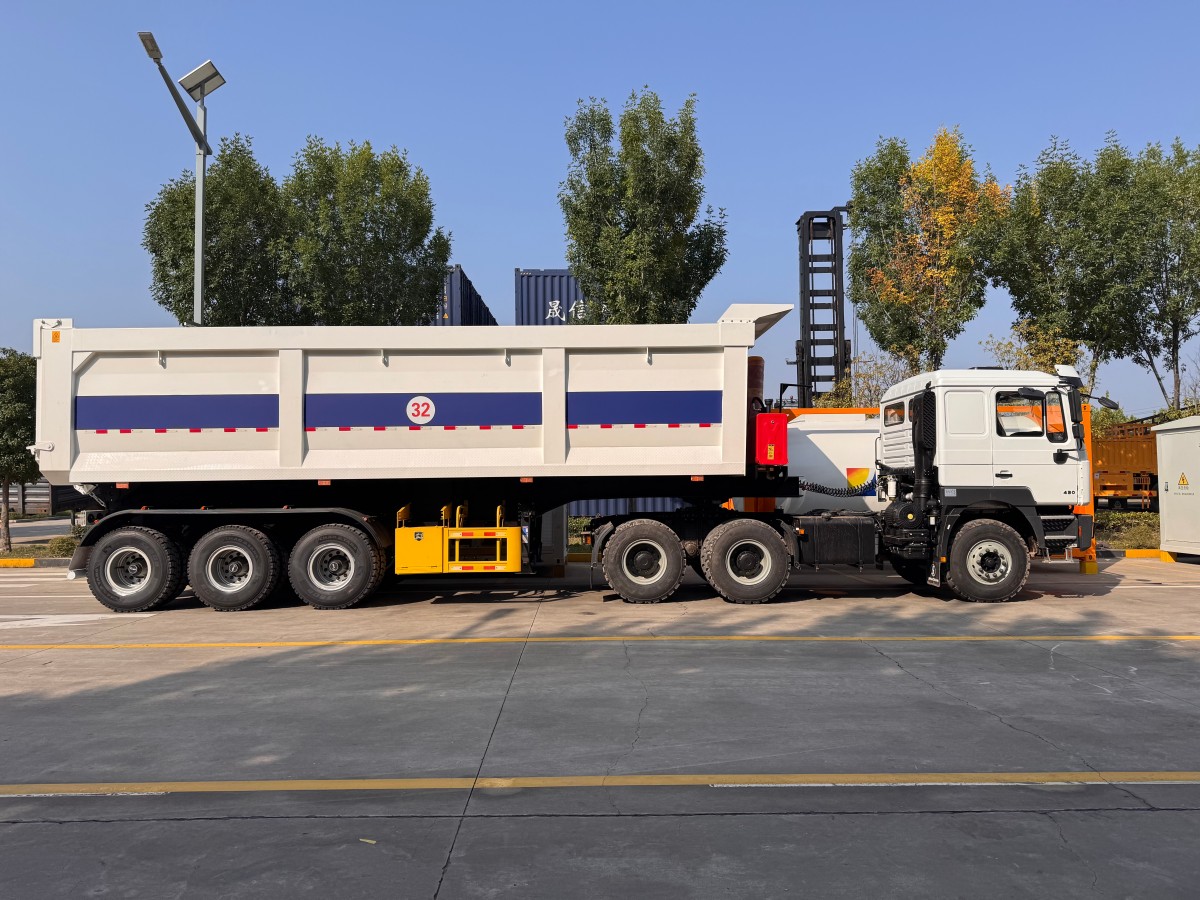
- Mining: Katanga copper and cobalt drives lowbed, tipper, fuel tanker demand
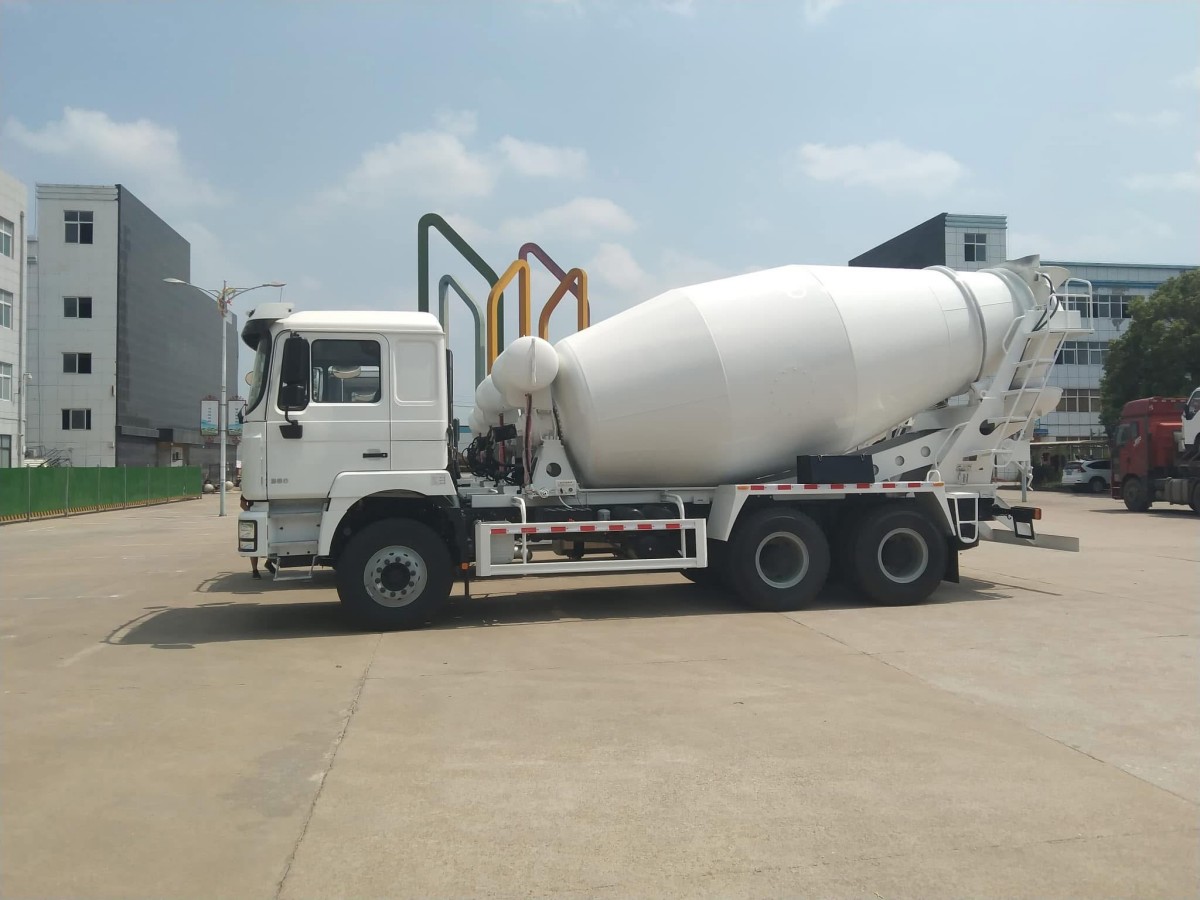
- Construction: Kinshasa urban development drives tipper and mixer demand
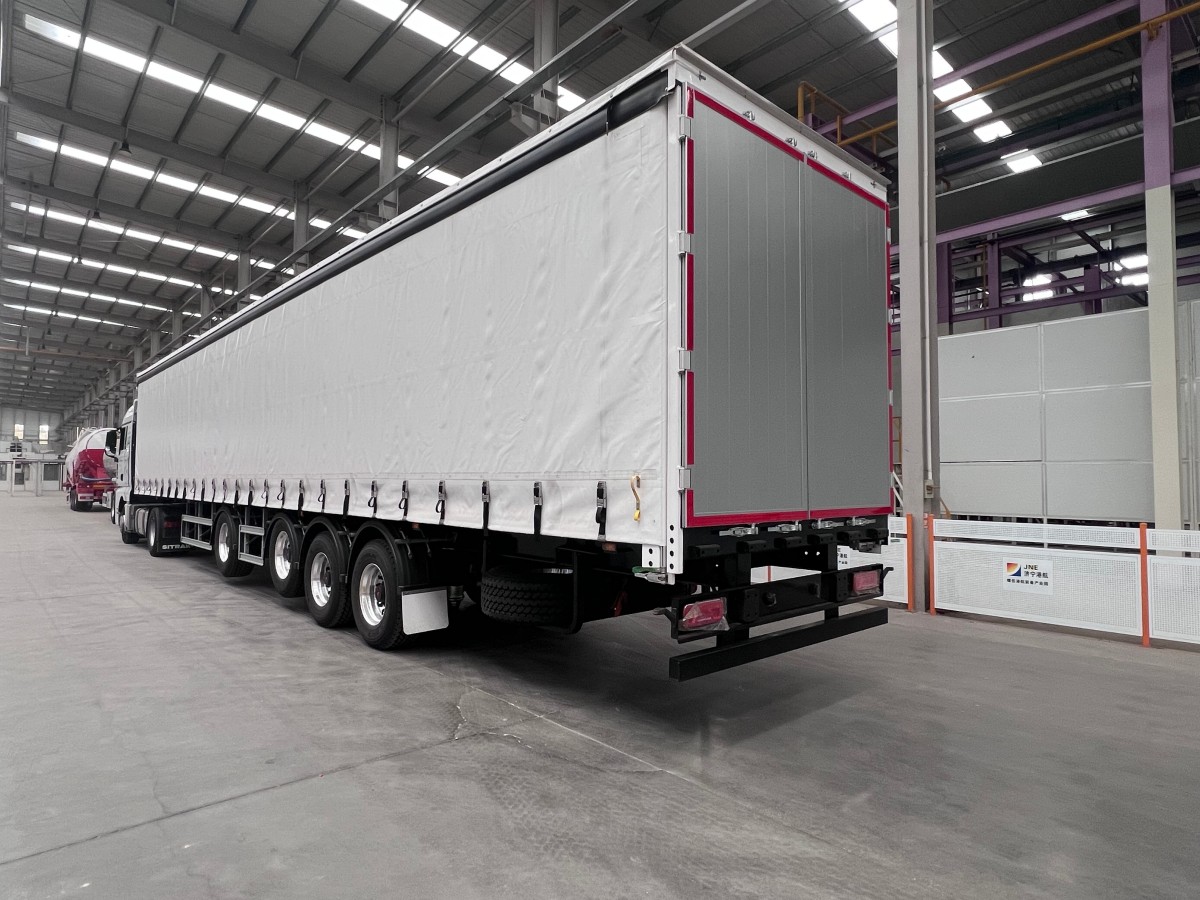
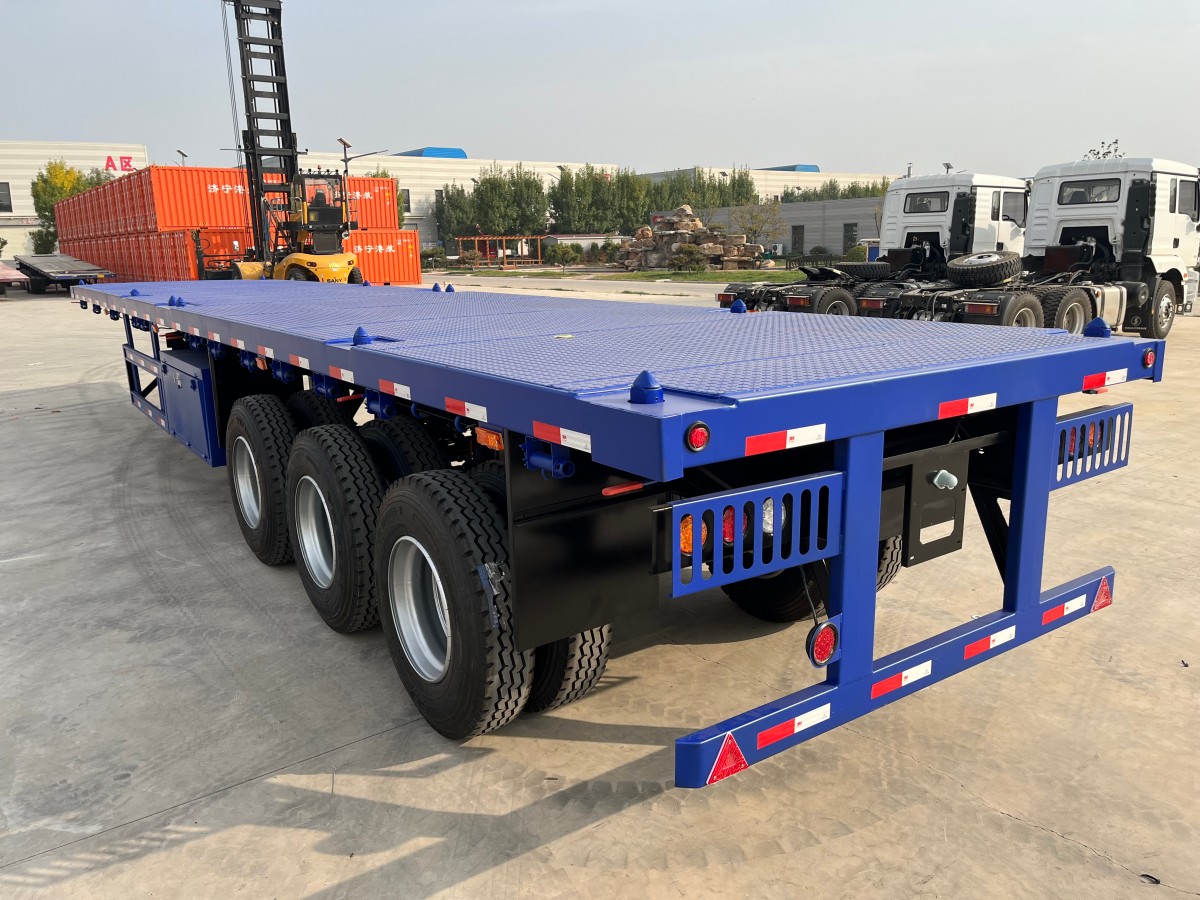
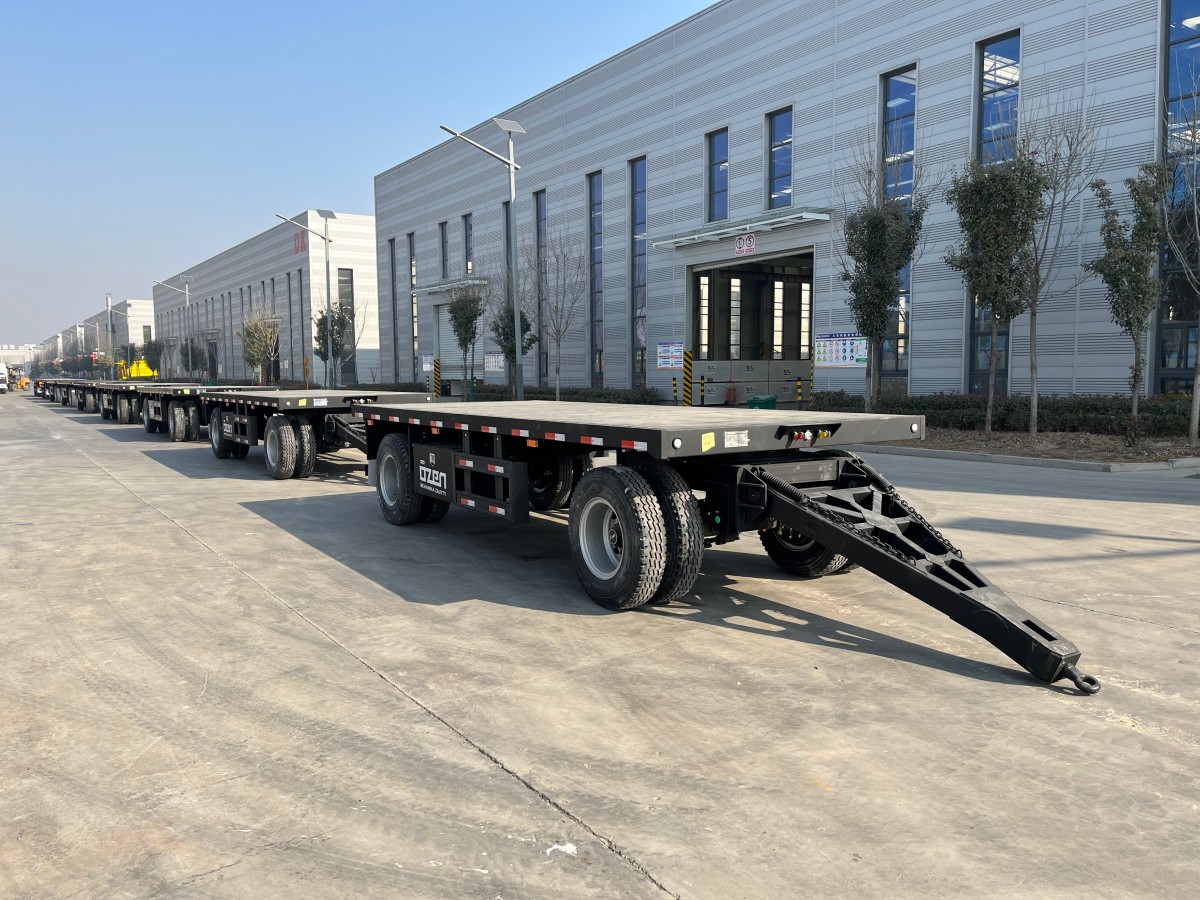
- Logistics: intermodal port-to-mine transit drives chassis and flatbed demand
- Agriculture: small but growing van and reefer demand
2. Import Documents
DRC customs (OFIDA, now part of DGI) requires:
- Commercial invoice and packing list
- Bill of lading (or CMR for cross-border)
- Import declaration
- Insurance certificate
- For mining-sector buyers: mining operating licence copy
3. Customs and Tax
- Import duty: 5-30% depending on category and origin
- VAT: 16%
- Various other levies (statistical, OHADA, etc.)
- Effective landed tax burden: 25-40% of CIF
4. Port Selection — Critical Decision
DRC is landlocked for practical purposes. Choose port by destination:
- Dar es Salaam (Tanzania): 95% of imports; gateway via Tunduma-Kalemie corridor or via Kigoma-Kalemie barge
- Mombasa (Kenya): 5%; for eastern DRC (Goma, Bukavu) via inland corridor through Uganda
- Matadi (sea, inland waterway): very small share; for western destinations
5. Overland Routes
- Dar → Lubumbashi (Katanga mining belt): 1,800 km, multi-day, including Tunduma border
- Dar → Kinshasa: 2,800 km, 6-10 days overland
- Dar → Kalemie (barge to Uvira/Bukavu): 1,300 km overland + lake transit
- Mombasa → Goma (eastern DRC): 1,600 km, 25-35 hours
6. After-Sales Network
DRC has limited OEM presence. Most fleets rely on Tanzanian or South African partners for spare parts. Critical: carry comprehensive spare parts kit in first shipment, including kingpin bushing, axle bearings, brake shoes.
7. Financing Options
- Chinese OEM export financing (most common)
- DRC bank L/Cs (Rawbank, TMB) — challenging due to FX
- Mining-company escrow for confirmed cargo
8. Common Pitfalls
- Plan Tunduma border crossing in advance — congestion can extend border time to 5+ days
- DRC inland roads are rough: spec extra axle-protection and underside guards
- For Katanga copper haul, mining-region roads are rough gravel: 14.00R20 tires preferred over 12R22.5
- Don’t underestimate fuel availability on inland routes — drivers carry jerry cans
9. What to Ask Your Manufacturer
- WPS documentation and structural certification
- Mining-region reference projects
- Spare parts catalogue with first-shipment kit
- SADC-compatible retroreflective tape
10. Negotiation Tips
- 5+ unit orders typically secure 8-12% discount
- Specify DRC overland spec at PO — chassis undersides see heavy shock loading on Katanga gravel
- Insist on comprehensive spare parts kit (kingpin, axle bearings, brake shoes, paint)
FAQ
Do I need special import permits for DRC?
Mining-sector buyers need to share operating licence copies. Otherwise standard DGI customs declarations apply. Plan tax payments in USD or local currency with bank pre-clearance.
Which port is best for Katanga-bound cargo?
Dar es Salaam is the primary gateway. Sea freight China → Dar: 35-40 days RoRo. Overland Dar → Lubumbashi: 4-6 days via Tunduma border.
What is the typical FOB price for a 3-axle lowbed to DRC?
Premium Chinese lowbed (BPW, 80-ton rating): $40,000-55,000 FOB. Mid-tier: $32,000-42,000.
What is the typical delivery lead time?
Production 8-10 weeks + sea freight 35-40 days + inland 4-6 days = 17-22 weeks total.
For project enquiries, fleet quotes, and Katanga mining support, contact postmaster@trailerintl.com. This guide is published by a manufacturer exporting 5,000+ semi-trailer units annually to 40+ countries.