Case Study: 6 Bulk Cement Tankers for Philippines Industrial Parks
The Philippines’ industrial-park construction boom, especially in Cavite, Laguna, and Batangas, has driven sustained demand for bulk cement. In 2025, a private bulk-cement distributor needed 6 V-shaped bulk cement tankers in a single batch.
Volume note: 6-unit bulk cement orders represent the typical fleet renewal cycle for a mid-size regional distributor.
1. Buyer Profile
Region: Cavite and Laguna industrial park zone
Operation: bulk-cement distribution from Batangas port terminals to batching plants
2. Tender Specification
Capacity: 35-40 ton cargo
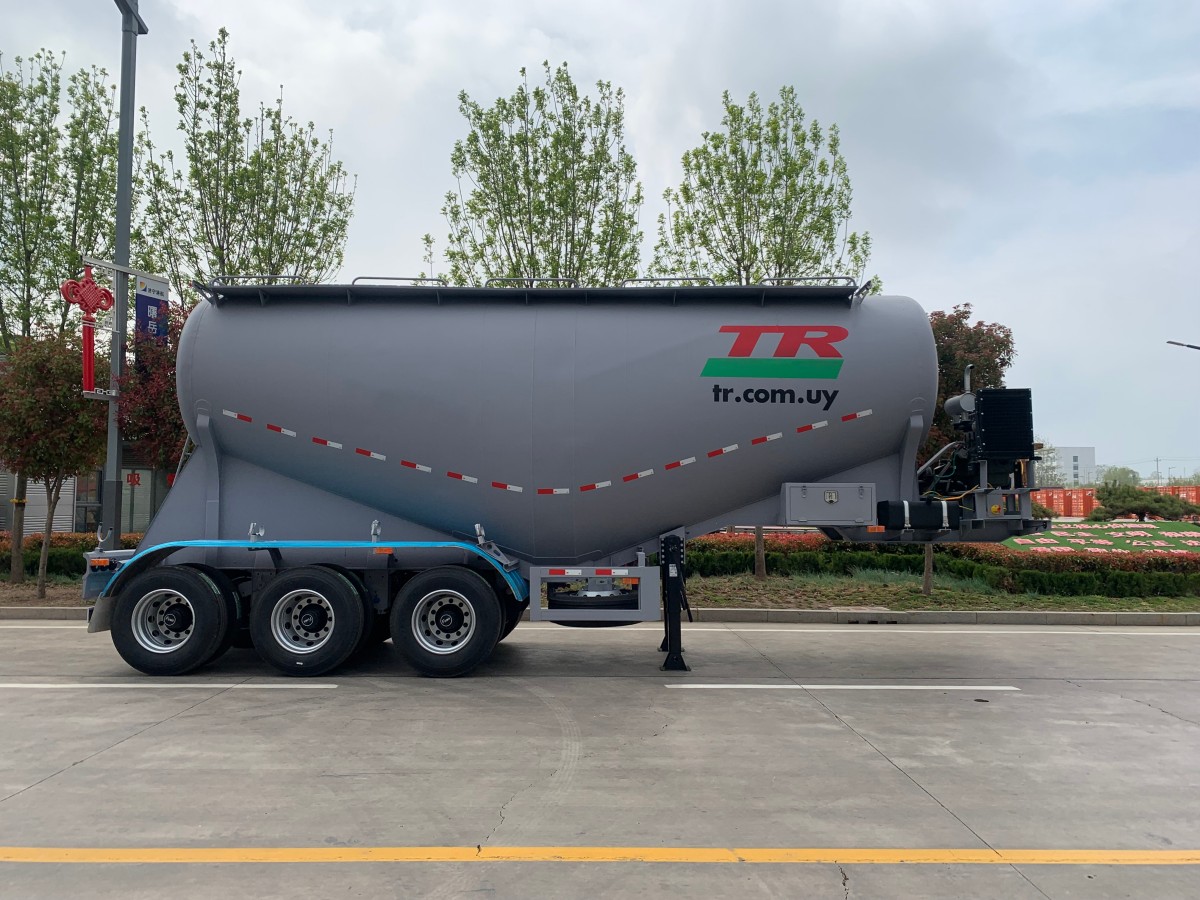
Body: V-shape, 3-axle, diesel-powered compressor with PTO
Discharge pressure: 0.2 MPa standard
Axles: 3 × BPW 12-ton
Tires: 12R22.5
Kingpin: 90#
3. Procurement Process
Bid shortlist: 3 Chinese bulk-cement manufacturers
FAI on first unit: full discharge test (incl. residual cargo <0.2% spec)
RoRo China → Manila (15 days), inland Batangas haul
4. Cost Breakdown (Indicative)
Line
USD per unit
3-axle bulk cement tanker FOB China
~32,000
Sea freight China → Manila
~3,200
Inland to Batangas + commissioning
~1,000
Landed cost, per unit
~36,200
5. After-Sales Performance
Mean uptime: 95%
Discharge cycle time: 28-35 minutes typical, target was 30 min
Warranty: 1 compressor seal replacement (5-day spare parts)
6. What Worked
BPW axles good match for mixed highway-coastal route profile
Diesel compressor choice matches existing truck-tractor PTO systems
V-shape body has lower centre of gravity than horizontal — better for winding Philippine mountain segments
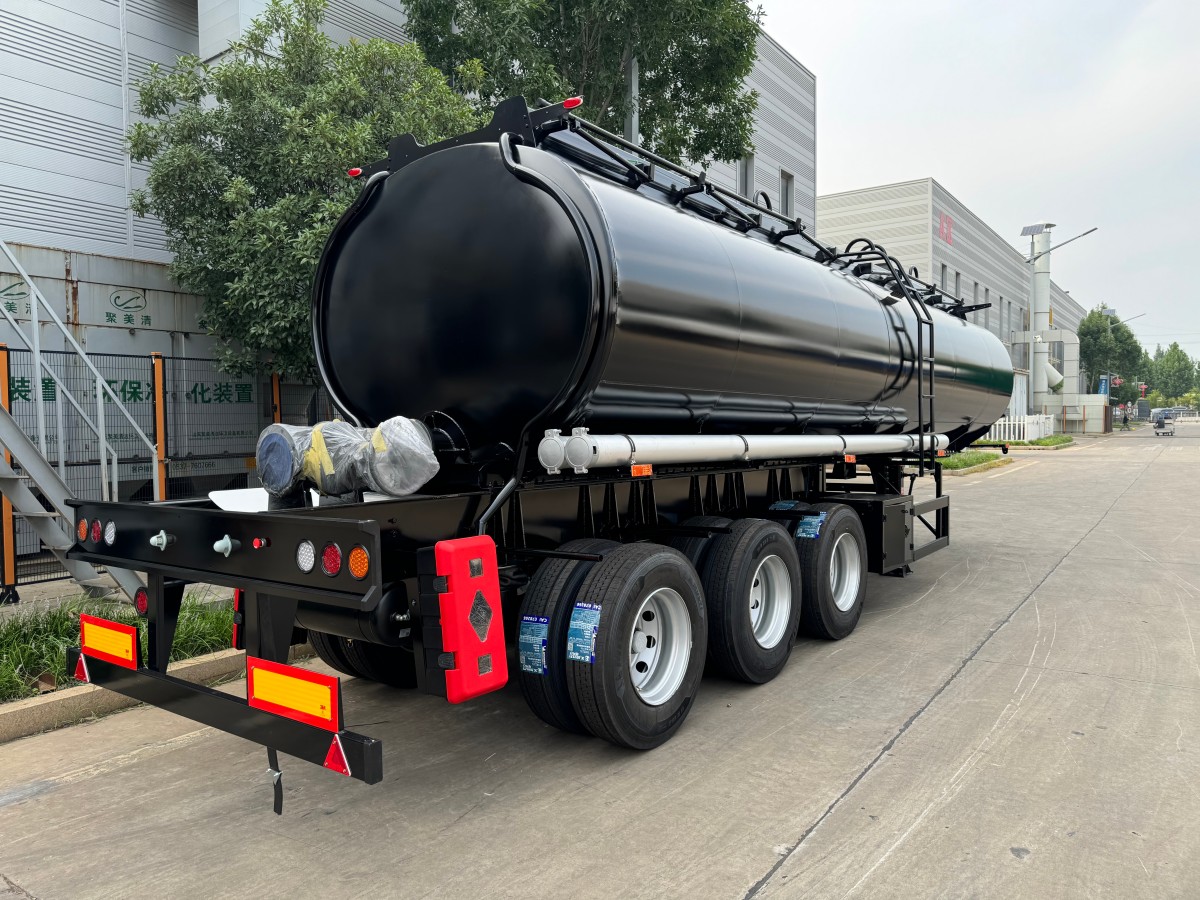
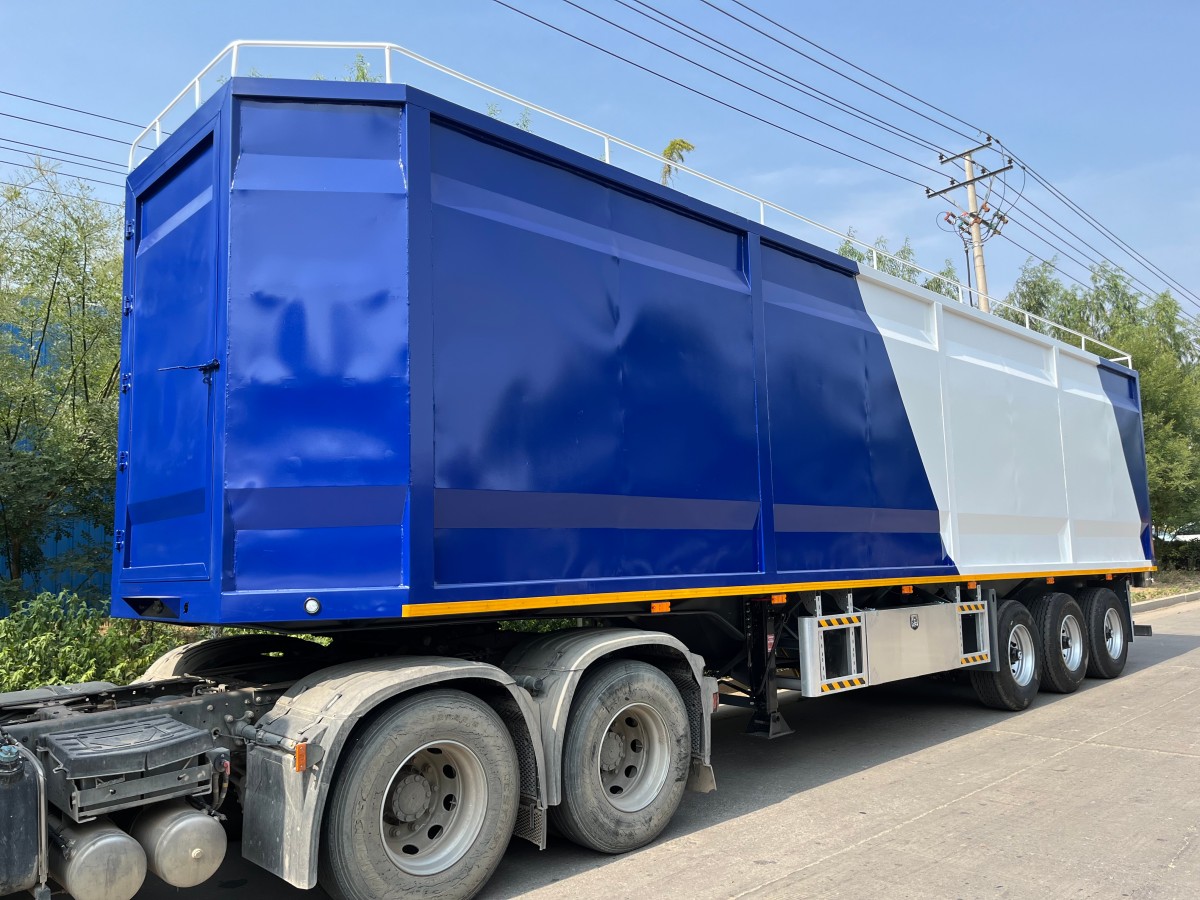
A V-shaped pressure-discharge tanker for powdered cement transport. Pneumatic system blows cement out at 0.2 MPa into silos. Common 30-50 ton capacity.
How is bulk cement discharged?
Compressed air (diesel engine compressor or electric compressor) fluidises the powder and pushes it through outlet piping to a silo or directly into batching plant hoppers.
What is the difference between a W-shape and V-shape body?
V-shape tanks have steeper angles for residual cargo <0.2%. W-shape tanks (also called double-V) split the body into two compartments for discharging the cargo without leaving residual material.
What pressure is needed for cement discharge?
0.2 MPa standard; higher pressures allow faster discharge but risk pulsation issues at the silo filtration.
For project enquiries, fleet quotes, and tender support, contact postmaster@trailerintl.com. This case study is published by a manufacturer exporting 5,000+ semi-trailer units annually to 40+ countries.