Fuel Transportation Safety: Complete Standards and Best Practices Guide
Complete guide to fuel transportation safety: tanker standards, emergency equipment, driver training, and compliance. From manufacturer exporting 30,000+ units annually.
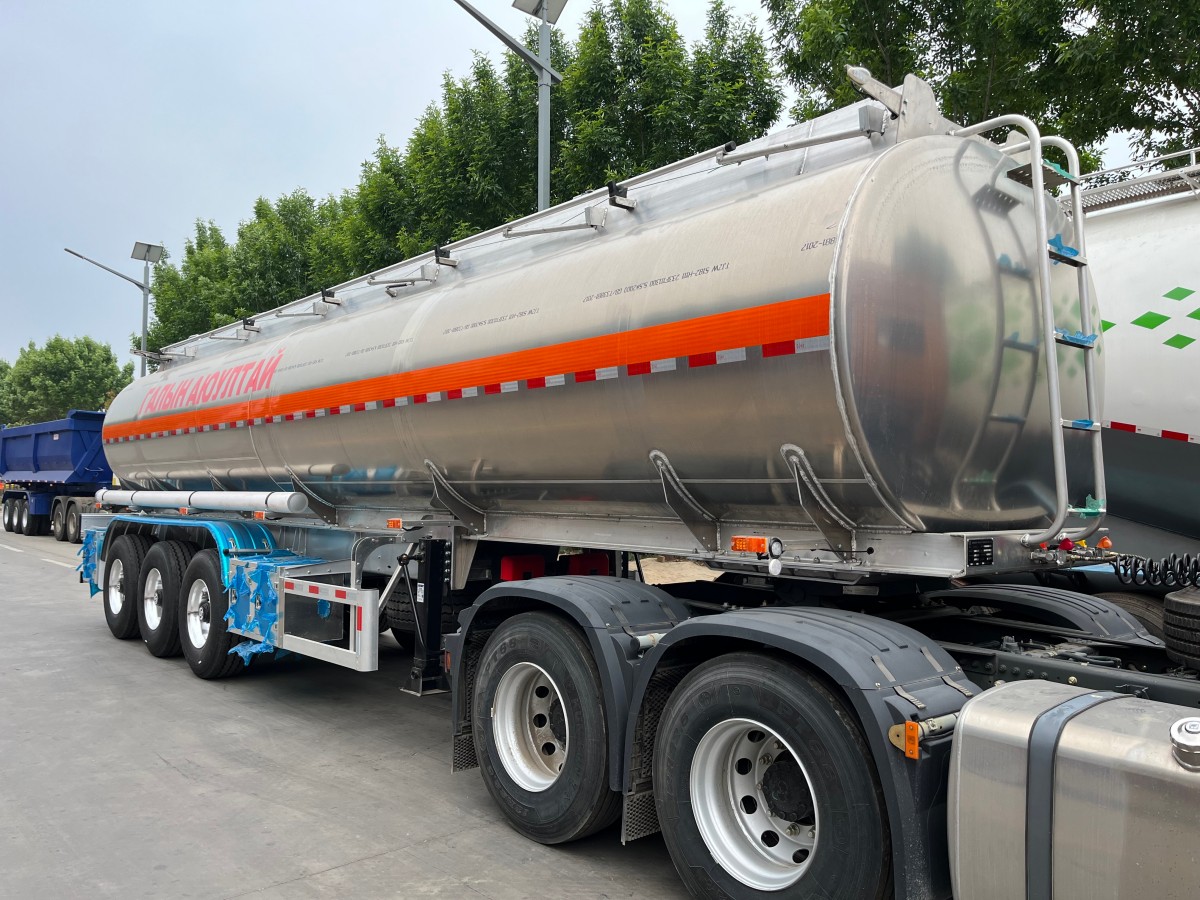
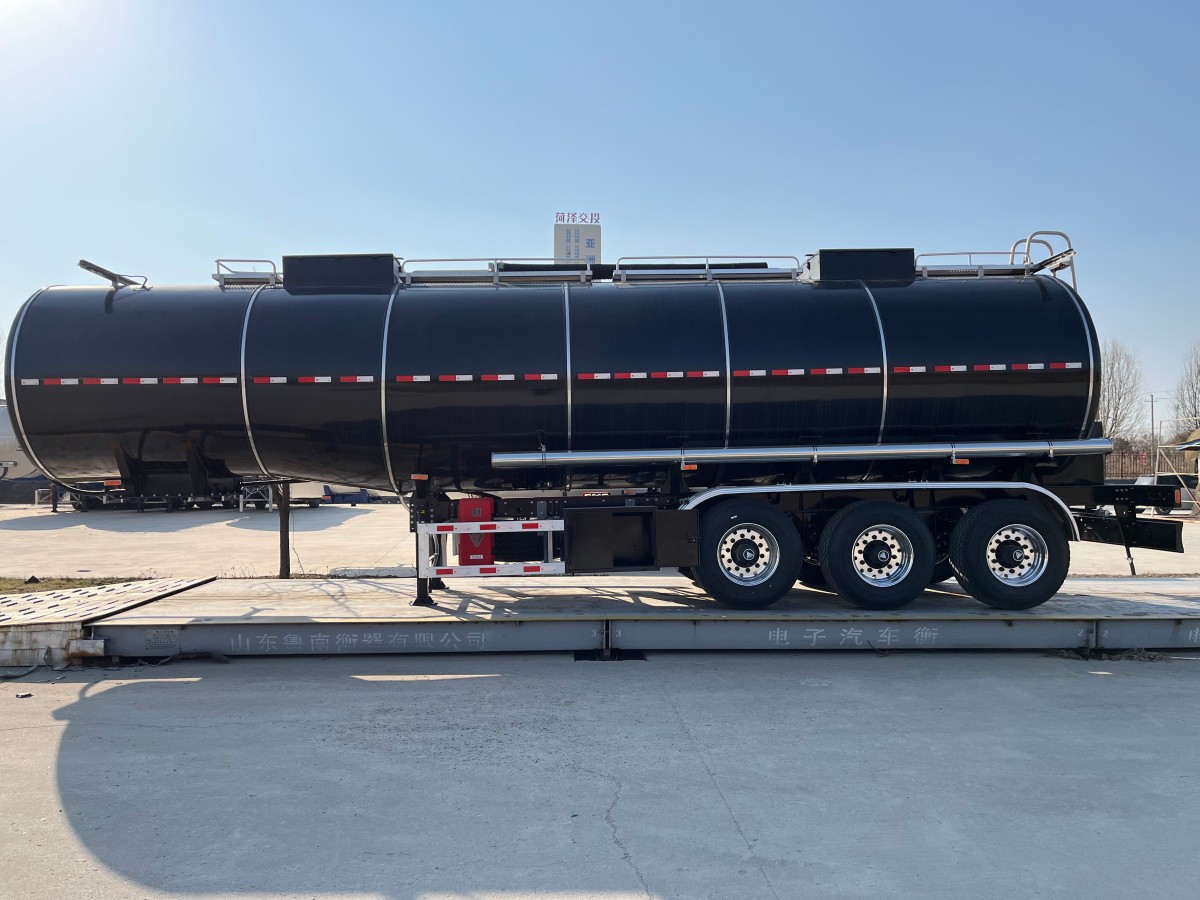
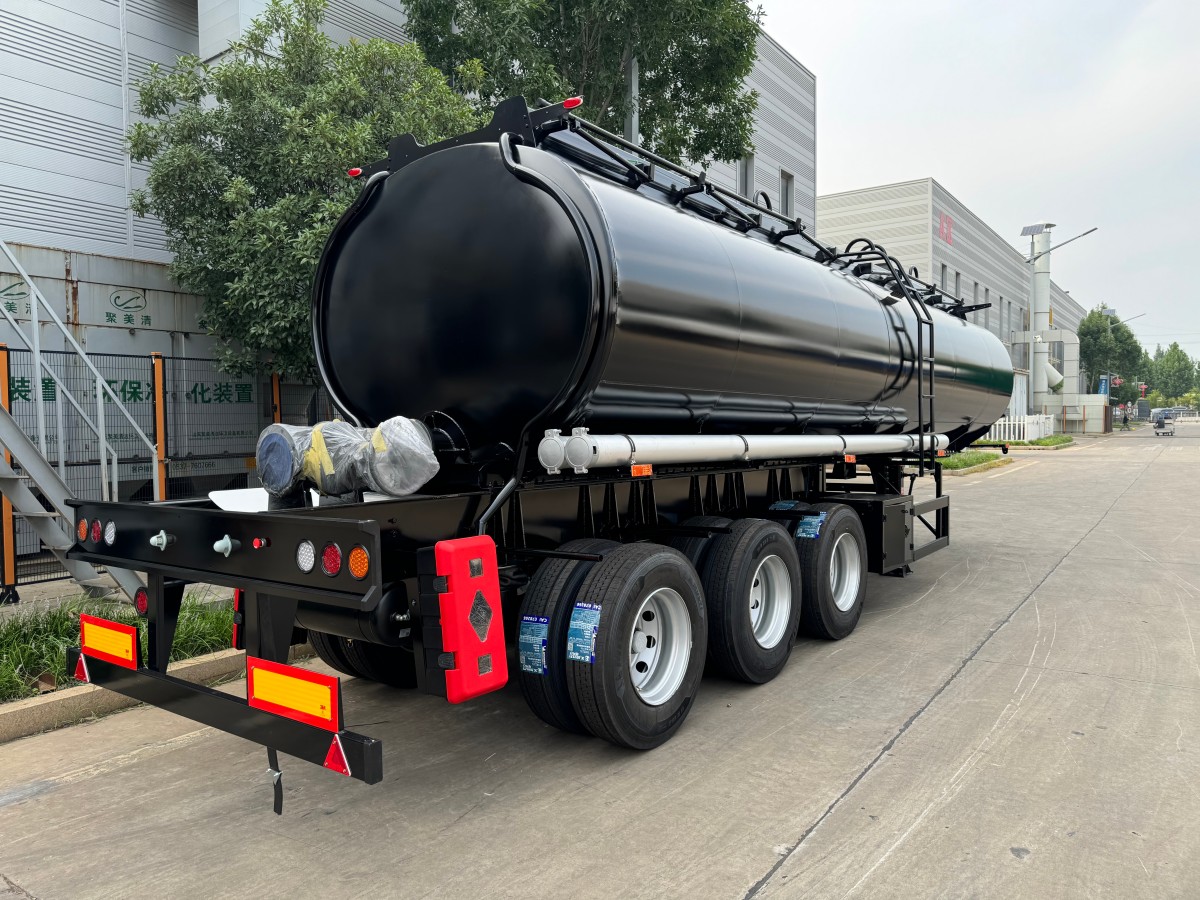
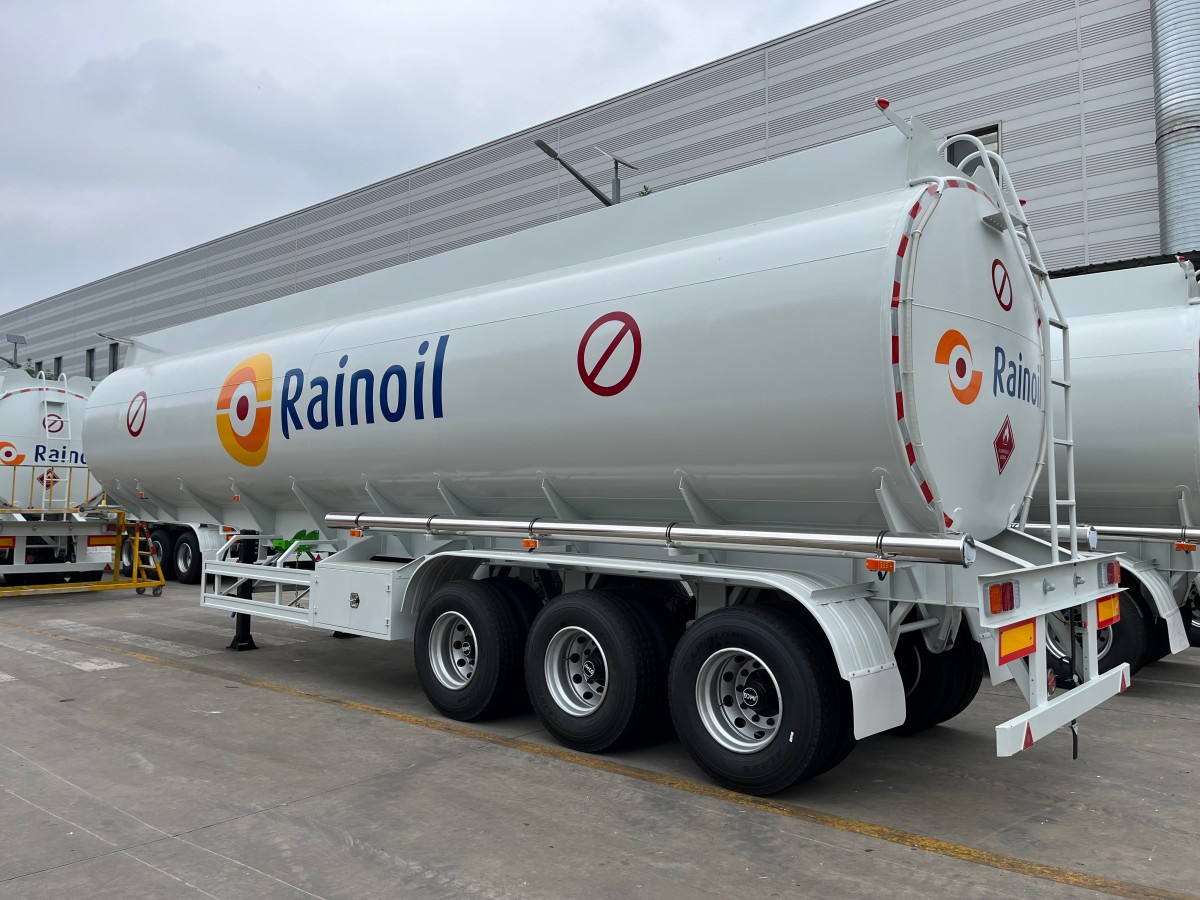
Fuel transportation carries inherent risks that require rigorous safety standards. As a manufacturer exporting over 5,000 units annually – including significant tanker volume – we explain the safety requirements.
1. Regulatory Standards
International
ADR (Europe)
DOT 49 CFR (USA)
UN Recommendations
2. Tanker Design Safety
Safety Features
Emergency valves (fire-safe)
Anti-static grounding
Pressure relief
Spill containment
3. Emergency Equipment
Fire extinguishers (ABC dry powder)
Emergency shutdown
Warning signage
Spill kits
4. Driver Training
Hazmat certification
Emergency procedures
Loading/unloading safety
Defensive driving
5. Loading/Unloading Safety
Grounding before transfer
Bonding connections
Fill level monitoring
Static prevention
6. Maintenance Requirements
Annual tank inspection
Valve testing
Anti-static system check
Emergency valve function test
7. Conclusion
Fuel transportation safety requires proper equipment, training, and procedures. Our tanker trailers meet international standards, backed by 5,000+ unit annual export operations.